Kimono Milestones 2026: Life Stage Styles & Rental Costs
The Evolution of Milestone Garments in 2026
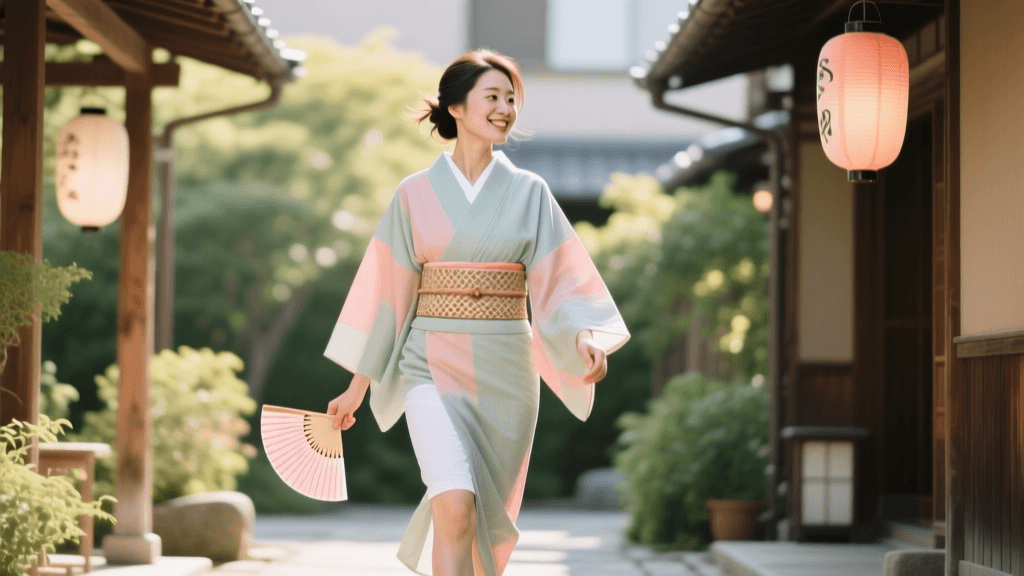
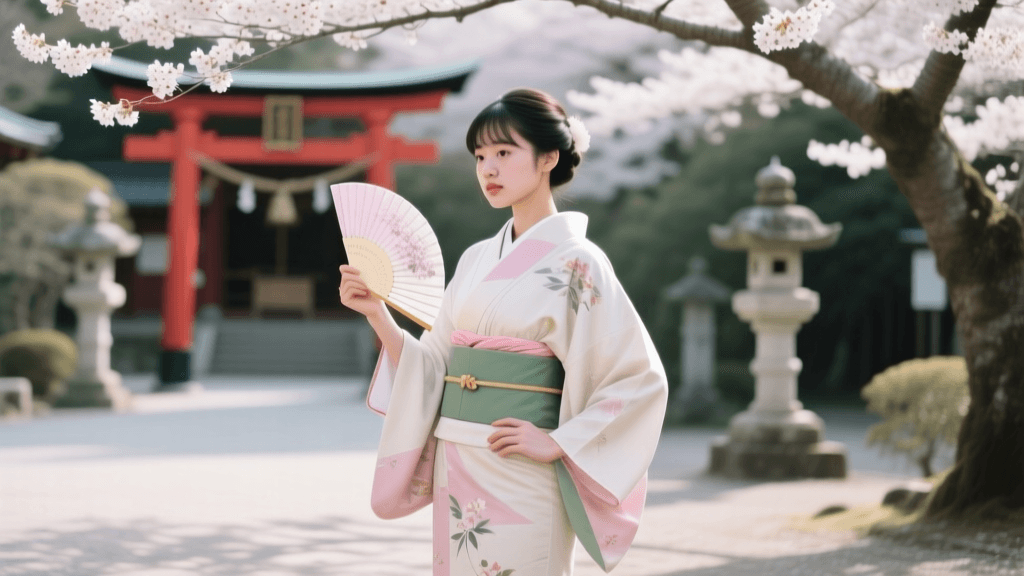
In Japan, the kimono is far more than a beautiful piece of traditional clothing; it is a visual diary of a person's life journey. From the vibrant, playful motifs of childhood festivals to the dignified, subdued elegance of later years, specific garments are inextricably linked to age and social milestones. As we navigate 2026, the landscape of kimono wearing has evolved beautifully. While the deep-rooted customs remain intact, modern innovations such as augmented reality (AR) fitting mirrors in Ginza boutiques, sustainable silk alternatives, and streamlined digital rental platforms have made participating in these traditions more accessible than ever.
Whether you are a local resident planning for your family's upcoming ceremonies, or an international visitor seeking to understand the profound sartorial codes of Japan, understanding the intersection of age, garment type, and occasion is essential. According to cultural preservation guidelines outlined by the Agency for Cultural Affairs, maintaining the correct formal hierarchy in kimono wearing is a vital intangible cultural asset. This comprehensive guide breaks down the exact styles, customs, and 2026 market costs for Japan's most significant life stage milestones.
Shichi-Go-San: The Childhood Milestones
Celebrated annually on November 15th, Shichi-Go-San (Seven-Five-Three) is a rite of passage for children aged three, five, and seven. Historically, these ages marked critical survival milestones, and today, families visit Shinto shrines to pray for the health and longevity of their children.
Age 3: The Hifu and First Hair Styling
Three-year-old girls typically wear a standard kimono layered with a hifu, a soft, padded silk vest that eliminates the need for a tightly tied obi, ensuring the child's comfort. In 2026, washable silk blends have become incredibly popular for this age group, allowing parents to manage inevitable spills during shrine visits. Boys of the same age may also wear a simple kimono with a hifu, though it is less strictly mandated than for girls. The kamioki (hair-growing) ceremony traditionally associated with this age means children often have their hair styled in traditional buns adorned with bright kanzashi (hairpins).
Age 5: The First Hakama
Five-year-old boys celebrate the hakamagi (wearing of the hakama) ceremony. They are dressed in a formal montsuki (crested kimono), usually in dark, auspicious colors like navy or charcoal grey, featuring motifs of hawks, pine trees, or samurai helmets. Over this, they wear a stiff, pleated hakama and a haori jacket. In 2026, rental packages for five-year-old boys average around ¥15,000 to ¥22,000, often including the traditional katana (wooden toy sword) and hakama ties.
Age 7: The Transition to the Obi
Seven-year-old girls undergo the obitoki ceremony, marking the transition from wearing simple cord ties to a formal, adult-style obi. They wear a full-length, vibrant yuzen-dyed kimono with motifs of cranes, cherry blossoms, or peonies. The obi is tied in a decorative knot, such as the fukura-suzume (plump sparrow)./oblong knot). Because dressing a seven-year-old in a full adult-style obi takes considerable time and skill, professional dressing services remain highly sought after in 2026, usually adding ¥5,000 to the overall rental package.
Seijin-no-Hi: The Coming of Age Transition
Held on the second Monday of January, Seijin-no-Hi (Coming of Age Day) celebrates young adults reaching the age of majority. While Japan legally lowered the age of adulthood to 18 in 2022, municipalities and cultural institutions universally continue to hold the traditional ceremonies and celebrations at age 20. This historical preservation ensures that the traditional university and job-hunting timelines align with the celebration, keeping the demand for formal young adult kimono exceptionally high.
Women: The Furisode
Unmarried young women celebrate by wearing a furisode, characterized by its dramatically long, swinging sleeves. The length of the sleeve denotes the formality and the wearer's specific age bracket. The ofurisode (large furisode) features sleeves over 114 centimeters long and is the most formal, often worn by brides or immediate family members at weddings. For Coming of Age Day, the chufurisode (medium furisode, roughly 100cm sleeves) is the standard.
In 2026, the furisode rental market has seen a surge in 'vintage revival' aesthetics, with young women seeking Showa-era (mid-20th century) geometric patterns and bold, contrasting color blocks rather than the soft pastels that dominated the 2010s. A premium 2026 furisode rental package in major cities like Tokyo and Kyoto, which includes the garment, obi, undergarments, hair styling, and professional dressing, typically ranges from ¥35,000 to ¥60,000.
Men: Hakama and Montsuki
While many young men opt for Western suits in 2026, those who choose traditional wear don a dark montsuki hakama ensemble. The kimono features the five family crests (itsutsu-mon), and the hakama is typically striped in grey, navy, or white. The haori jacket is secured with a braided haori-himo cord. Men's rental packages are generally more affordable, averaging ¥18,000 to ¥25,000, as the styling and hair requirements are less complex.
Kekkonshiki: Wedding Traditions and Formal Wear
Japanese weddings are a masterclass in sartorial symbolism, with the bride often changing outfits multiple times throughout the day to reflect different stages of the ceremony and reception.
The Bride: Shiromuku and Iro-Uchikake
For the traditional Shinto shrine ceremony, the bride wears the shiromuku, an entirely pure white ensemble symbolizing her willingness to be 'dyed' in the colors of her new family. This includes the white kakeshita (inner kimono), the heavily embroidered outer robe, and the wataboshi or tsunokakushi (white silk hoods) that conceal the bride's 'horns of jealousy' and signify submission and purity.
During the reception, the bride changes into an iro-uchikake, a spectacularly colorful and heavily padded outer robe worn open over a base kimono. In 2026, deep jewel tones like emerald green, sapphire blue, and rich burgundy are highly fashionable, often featuring intricate gold-leaf (kinpaku) and silver-thread embroidery depicting auspicious motifs like pine, bamboo, and plum (shochikubai). Purchasing a bespoke, hand-woven iro-uchikake in 2026 can cost anywhere from ¥800,000 to over ¥3,000,000, making high-end rentals (¥150,000 - ¥250,000) the pragmatic choice for most couples.
The Mothers: Kurotomesode
The mothers of the bride and groom wear the kurotomesode, the most formal kimono for married women. It is a black silk kimono featuring five family crests and a continuous, elegant pattern along the lower hem (eba-moyo). The obi is typically a gold or silver fukuro-obi tied in a formal niju-daiko (double drum) knot. According to etiquette resources supported by the Japan National Tourism Organization, foreign guests attending Japanese weddings should opt for conservative, elegant Western attire or modest, subdued kimono like the tsukesage or houmongi, ensuring they never outshine the bridal party or wear pure white.
Kanreki and Beyond: Celebrating Longevity
Japan's aging population has brought renewed focus to longevity celebrations, known as chouju-iwai. The most famous is Kanreki, the 60th birthday, which marks the completion of one full cycle of the traditional sexagenary calendar.
The Shift from Chanchanko to Elegant Tsukesage
Historically, the Kanreki celebrant wore a red chanchanko (a padded, sleeveless vest) and a red zukin (hood), symbolizing a 'rebirth' into a new life cycle, as red is the color of babies. However, in 2026, modern 60-year-olds are highly active and fashion-conscious. Many eschew the traditional red vest in favor of sophisticated, high-end kimono. Women often choose a vibrant tsukesage or an elegant edo-komon (fine-patterned kimono) in auspicious colors like deep crimson or gold, paired with a luxurious Nishijin-ori obi. Men might opt for a refined, muted silk kimono with a subtle woven pattern, projecting dignity and continued vitality.
2026 Kimono Milestone Cost & Rental Comparison
Planning for these milestones requires a clear understanding of the financial commitment. The table below outlines the average market rates in Japan for 2026, factoring in recent inflation and the premium placed on sustainable, ethically sourced silks.
| Milestone / Occasion | Primary Garment Type | Avg. Purchase Price (2026) | Avg. Full Rental Package (2026) | Key Accessories Included |
|---|---|---|---|---|
| Shichi-Go-San (Age 3 Girl) | Hifu over Kimono | ¥60,000 - ¥120,000 | ¥12,000 - ¥18,000 | Zori sandals, Hifu vest, Kanzashi |
| Shichi-Go-San (Age 5 Boy) | Montsuki Hakama | ¥80,000 - ¥150,000 | ¥15,000 - ¥22,000 | Hakama, Haori, Wooden Katana |
| Seijin-no-Hi (Women) | Chufurisode | ¥350,000 - ¥800,000+ | ¥35,000 - ¥60,000 | Furisode, Fukuro-obi, Shigu, Zori |
| Seijin-no-Hi (Men) | Montsuki Hakama | ¥200,000 - ¥400,000 | ¥18,000 - ¥25,000 | Haori, Striped Hakama, Tabi |
| Wedding (Bride Shrine) | Shiromuku | ¥1,000,000 - ¥3,000,000 | ¥120,000 - ¥180,000 | Wataboshi, Sensu fan, White Tabi |
| Wedding (Reception) | Iro-Uchikake | ¥800,000 - ¥2,500,000 | ¥150,000 - ¥250,000 | Padded Uchikake, Gold Obi |
| Kanreki (60th Birthday) | Tsukesage / Edo Komon | ¥250,000 - ¥500,000 | ¥25,000 - ¥40,000 | Nishijin Obi, Juban, Zori |
Actionable Advice for 2026 Kimono Planning
If you are planning to participate, 2026. For major milestones like Seijin-no-Hi or weddings, inventory for premium, trending vintage furisode and iro-uchikake is often booked out 8 to 12 months in advance.
2. Utilize AR Fitting Technology
Many flagship rental salons in Tokyo, Kyoto, and Osaka now offer Augmented Reality (AR) smart mirrors. These allow you to digitally 'try on' dozens of furisode and obi combinations in seconds, saving hours of physical changing and helping you visualize how different color palettes complement your skin tone before committing to a physical fitting.
3. Understand the Undergarments
A kimono's silhouette is entirely dependent on what lies beneath. When renting or purchasing, ensure your package includes the correct2026, some modern salons offer 'washable silk' or high-tech breathable synthetic juban for summer ceremonies, which drastically improve comfort without sacrificing the traditional exterior aesthetic.
4. Budget for Professional Dressing (Kitsuke)
Unless you are a certified practitioner, attempting to dress yourself for a major milestone is not recommended. The tension of the koshihimo (tying cords), the precise alignment of the eri (collar), and the complex geometry of formal obi knots require a professional kitsuke-shi (kimono dresser). Always confirm that your 2026 rental quote includes the dressing fee, as walk-in dressing services at shrines can cost an additional ¥5,000 to ¥10,000 and require waiting in long queues.
Conclusion
The kimono remains a living, breathing testament to Japan's cultural continuity. Whether it is the joyful, padded hifu of a three-year-old at Shichi-Go-San, the sweeping sleeves of a 20-year-old's furisode, or the dignified elegance of a 60th birthday tsukesage, these garments map the human experience through silk and thread. By understanding the specific requirements, 2026 market trends, and proper etiquette for each life stage, you can fully appreciate and participate in one of the world's most profound sartorial traditions.