Japanese Kimono Milestones 2026: Shichi-Go-San & Seijin Guide
The Wearable Calendar: Kimono as Life Milestones
In Japanese culture, the kimono is far more than a beautiful garment; it is a wearable calendar that marks the most significant transitions in a human life. From the tender years of early childhood to the threshold of adulthood and the wisdom of elderhood, traditional Japanese clothing serves as a visual and spiritual marker of growth. As we navigate 2026, the intersection of deep-rooted heritage and modern convenience—such as eco-friendly silk rentals and AI-assisted pattern matching for vintage garments—has reshaped how families celebrate these milestones. This comprehensive guide explores the essential kimono traditions for Japan's most vital life stages: Shichi-Go-San, Seijin-shiki, and Kanreki, providing actionable advice, current pricing, and styling tips for the modern era.
Shichi-Go-San (Seven-Five-Three): Celebrating Childhood
Held annually on November 15th, Shichi-Go-San is a rite of passage for girls aged three and seven, and boys aged five. Historically, these ages were considered critical thresholds where children were particularly vulnerable, and shrine visits were conducted to pray for their health and longevity. Today, it is a joyous family celebration centered around photography and traditional dress.
Girls (Ages 3 and 7)
For three-year-old girls, the traditional attire involves a vibrant, short-sleeved kimono paired with a hifu—a padded, sleeveless silk vest. The hifu is not only adorable but highly practical for toddlers, as it conceals the complex obi (sash) and allows for easier movement. By age seven, girls transition into a more mature furisode-style kimono with long, swinging sleeves, tied with a standard adult-style obi, often featuring auspicious motifs like cranes, pine trees, or peonies.
Boys (Age 5)
Five-year-old boys wear a formal montsuki (a kimono bearing family crests) paired with a hakama (pleated trousers) and a haori (jacket). The ensemble projects dignity and maturity. In 2026, many parents are opting for lightweight, breathable synthetic blends for boys' hakama, which offer the crisp, structured look of traditional silk but are far more resistant to the stains and wrinkles inevitable with active five-year-olds.
For a deeper understanding of the historical roots and modern practices of this festival, the cultural experts at Tofugu provide an excellent breakdown of the Shichi-Go-San traditions and the symbolic chitose-ame (thousand-year candy) given to children.
Seijin-shiki (Coming of Age): The Furisode Spectacle
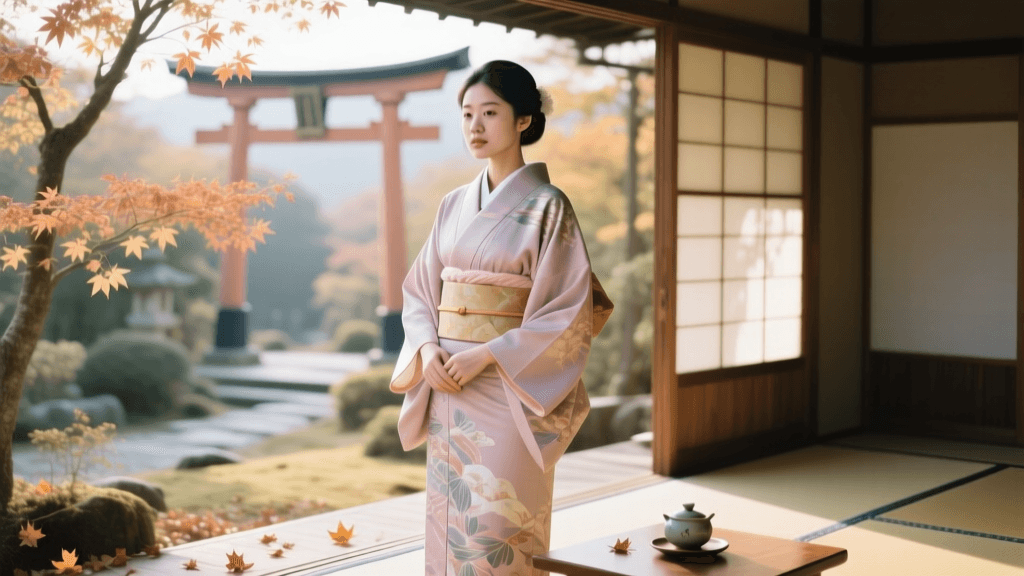
Seijin no Hi (Coming of Age Day) occurs on the second Monday of January, celebrating those who have reached the age of majority. While Japan officially lowered the legal age of adulthood to 18 in 2022, municipalities and families overwhelmingly continue to hold the traditional ceremonies and wear the iconic kimono at age 20. This is largely because 20 is the typical age of university enrollment, making it a more practical and universally celebrated milestone for the furisode.
The Furisode and 2026 Trends
The furisode is the most formal kimono for unmarried women, instantly recognizable by its dramatic sleeves, which can measure up to 114 centimeters in length. In 2026, the rental market has seen a massive surge in 'retro-modern' aesthetics. Young women are heavily favoring Taisho-era (1912-1926) inspired patterns—think bold, geometric art deco motifs, deep burgundies, and mustard yellows—over the pastel florals that dominated the early 2010s.
Accessorizing the furisode is an art form. The obi is tied in elaborate styles such as the fukura suzume (puffed sparrow) or tateya (standing arrow). Hair is adorned with kanzashi (ornamental hairpins). A notable 2026 trend is the use of subtle, battery-operated LED hairpins that provide a soft glow during the evening after-parties, blending Edo-period elegance with modern nightlife.
According to the Japan Guide, the Seijin-shiki ceremonies remain a vital part of the Japanese social fabric, with local government offices hosting the events and young adults gathering in their spectacular winter attire despite the January cold.
Kanreki (60th Birthday): The Red Chanchanko
The Kanreki celebration marks a person's 60th birthday, which corresponds to the completion of one full cycle of the traditional Chinese zodiac (the sexagenary cycle). It symbolizes rebirth and a return to the beginning of life. The traditional garment for this milestone is the chanchanko, a padded, sleeveless vest worn over a kimono.
The color of the chanchanko and the underlying kimono is traditionally bright red (aka), as red is historically believed to ward off evil spirits and is associated with babies and new beginnings. However, the 2026 market reflects a shift in consumer preference. Many modern seniors find bright scarlet too ostentatious. Consequently, high-end department stores and boutique rental shops now offer 'mature red' alternatives, including deep crimson, burgundy, and plum silks, allowing the wearer to honor the tradition of the red Kanreki while maintaining a sophisticated, age-appropriate elegance.
The Anatomy of a Milestone Kimono: Layers and Preparation
Understanding the layers of a formal kimono is crucial for anyone planning to purchase or rent in 2026. The dressing process, known as kitsuke, requires specific undergarments and accessories to achieve the correct cylindrical silhouette.
- Hadajuban & Susoyoke: The innermost cotton undergarments that protect the silk from sweat and body oils.
- Nagajuban: A thin silk or synthetic under-robe that provides the visible collar (han-eri) at the neckline.
- Datejime & Koshihimo: Cotton and silk ties used to secure the layers flat against the body, ensuring no bulges disrupt the outer kimono's drape.
- Obiita: A stiff board inserted into the obi to keep the sash perfectly smooth and wrinkle-free.
- Obiage & Obijime: A silk scarf-like cloth and a braided cord used to secure and decorate the obi knot.
2026 Pricing & Rental Comparison Chart
The decision to purchase or rent depends heavily on the milestone. While heirloom purchases are common for adult furisode, children's garments are almost exclusively rented due to rapid growth. Below is a comparative look at the 2026 market rates in Japan (prices estimated in JPY and USD).
| Milestone | Garment Type | 2026 Rental Price | 2026 Purchase Price | Kitsuke (Dressing) Time |
|---|---|---|---|---|
| Shichi-Go-San (3yo Girl) | Kimono + Hifu | ¥10,000 - ¥15,000 ($65 - $100) | ¥40,000+ ($260+) | 30 Minutes |
| Shichi-Go-San (5yo Boy) | Montsuki Hakama | ¥12,000 - ¥18,000 ($80 - $120) | ¥50,000+ ($330+) | 20 Minutes |
| Shichi-Go-San (7yo Girl) | Full Furisode-style | ¥20,000 - ¥35,000 ($130 - $230) | ¥150,000+ ($980+) | 45 Minutes |
| Seijin-shiki (20yo Woman) | Furisode + Full Set | ¥50,000 - ¥150,000 ($330 - $980) | ¥300,000 - ¥1,000,000+ ($2k - $6.5k+) | 60 - 90 Minutes |
| Kanreki (60yo) | Chanchanko + Kimono | ¥15,000 - ¥25,000 ($100 - $160) | ¥80,000+ ($520+) | 40 Minutes |
Practical Advice for 2026 Celebrations
Navigating the Winter Cold
Because Seijin-shiki takes place in January, staying warm in a kimono is a major logistical challenge. Modern kitsuke professionals highly recommend integrating contemporary thermal wear. Wearing a V-neck Heattech shirt under the hadajuban ensures warmth without disrupting the kimono's collar line. Additionally, adhesive body warmers (kairo) placed on the lower back and abdomen are standard practice. For footwear, fleece-lined zori covers and insulated tabi socks are widely available in 2026, preventing the numb toes that historically plagued January celebrations.
Booking Lead Times
The 2026 rental market is highly digitized and competitive. For Seijin-shiki, popular vintage and retro-modern furisode designs are often booked out 8 to 12 months in advance. Families planning for Shichi-Go-San should secure their studio appointments and shrine visit permits by late summer. Many modern kimono studios now offer virtual reality (VR) fitting apps, allowing clients to upload a 3D scan of their body to see how specific vintage patterns will drape, significantly reducing the need for multiple in-person consultations.
Preserving the Legacy: Care and Storage
For those who choose to purchase rather than rent, preserving the garment for the next generation is a vital part of the milestone's meaning. Silk is highly susceptible to humidity and pests. In 2026, traditional tansu (wooden chests) made of paulownia wood remain the gold standard for storage, as the wood naturally regulates moisture. However, for urban dwellers lacking space, specialized climate-controlled kimono storage services have become increasingly popular. These services offer annual airing, professional shiro-washi (acid-free paper) wrapping, and digital cataloging of the garment's condition, ensuring that a Seijin-shiki furisode purchased today will be in pristine condition when the wearer's daughter reaches her own Coming of Age milestone two decades from now.
Conclusion
The kimono remains a profound symbol of Japanese identity, gracefully adapting to the rhythms of modern life while holding fast to its historical roots. Whether it is the joyful hifu of a three-year-old, the breathtaking furisode of a twenty-year-old, or the crimson chanchanko of a sixty-year-old, these garments do more than clothe the body—they honor the passage of time. By understanding the nuances of each milestone, the intricate layering of the garments, and the practical realities of the 2026 rental and purchase markets, families can ensure these life transitions are celebrated with beauty, comfort, and deep cultural resonance.