A Collector's Guide to Shibori, Yuzen, and Kasuri Dyes
The Art of Japanese Resist Dyeing: A Collector's Primer
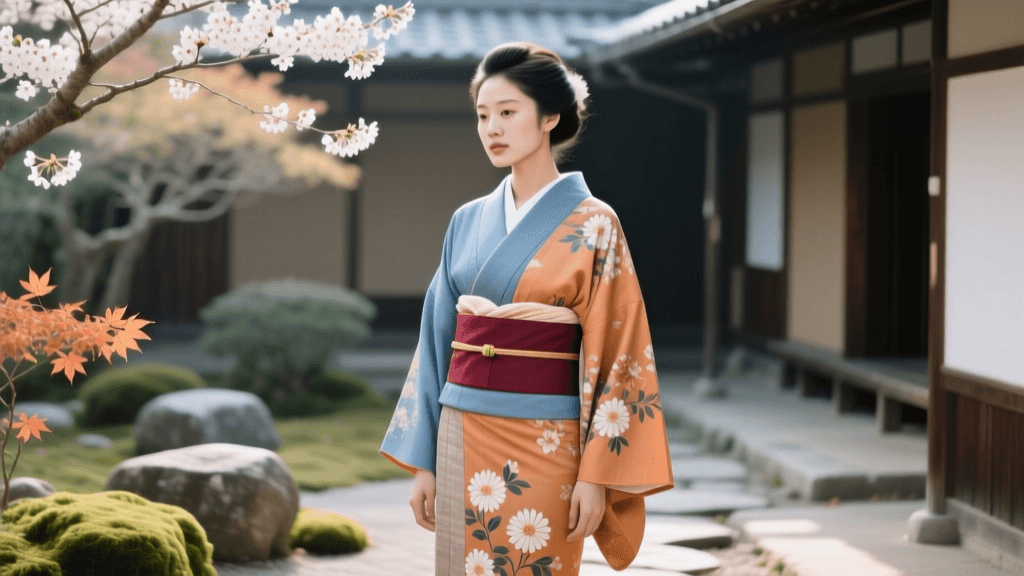
The world of traditional Japanese textiles is a labyrinth of technique, history, and profound artistry. For collectors, vintage enthusiasts, and cultural preservationists, understanding the nuances of Japanese dyeing methods is essential. During the Edo period (1603–1867), strict sumptuary laws restricted the lower classes from wearing brightly colored or lavishly patterned silk garments. This suppression inadvertently sparked a golden age of textile innovation, as artisans developed incredibly sophisticated resist-dyeing techniques to create subtle, breathtaking patterns that skirted the edges of the law.
Today, three primary techniques dominate the landscape of high-end vintage and antique Japanese garments: Shibori, Yuzen, and Kasuri. While they all share the fundamental principle of "resist"—preventing dye from penetrating certain areas of the fiber—their execution, visual hallmarks, and care requirements are vastly different. This comprehensive guide will help you identify, authenticate, and preserve these masterpieces of Asian textile heritage.
Shibori: The Sculptural Art of Shaped Resist
Derived from the Japanese verb shiboru (to wring, squeeze, or press), Shibori is a highly tactile, three-dimensional dyeing method. Unlike flat surface designs, authentic Shibori alters the physical structure of the fabric. The artisan binds, folds, clamps, or wraps the cloth before submerging it in a dye vat, typically indigo. According to the World Shibori Network, an organization dedicated to preserving these ancient practices, Shibori is celebrated for its organic, unpredictable beauty and the immense physical labor required to produce it.
Key Shibori Techniques to Identify
- Kanoko Shibori (Fawn Spot): Created by pinching tiny tufts of fabric and binding them tightly with thread before dyeing. The result resembles the spots on a fawn's back. On vintage silk kimonos, authentic Kanoko Shibori will feel heavily textured, almost like braille, and the fabric will remain permanently puckered.
- Arashi Shibori (Storm): The cloth is wrapped diagonally around a wooden or PVC pole, tightly bound with thread, and then compressed. This creates striking, diagonal, rain-like streaks across the garment.
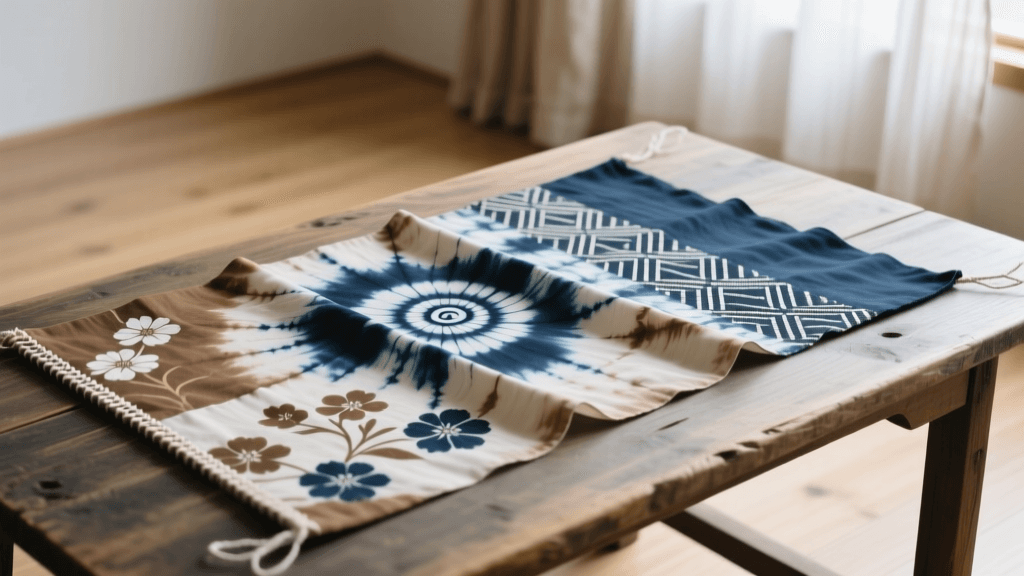
- Kumo Shibori (Spiderweb): Involves pleating and binding the fabric in a radial pattern, resulting in intricate, web-like concentric circles.
Collector's Tip: When inspecting a vintage Shibori haori or kimono, gently stretch the fabric. Authentic hand-tied Shibori will have a distinct elasticity and three-dimensional puckering that machine-printed imitations completely lack. Never iron authentic Shibori flat; doing so destroys the sculptural integrity of the resist.
Yuzen: The Canvas of Silk and Paste
If Shibori is sculpture, Yuzen is painting. Invented in the late 17th century by Kyoto fan painter Miyazaki Yuzensai, this technique revolutionized Japanese fashion by allowing artisans to apply complex, multi-colored, pictorial designs directly onto silk without the colors bleeding into one another. The Kyoto Museum of Traditional Crafts highlights Yuzen as one of the city's most vital living heritage crafts, requiring the collaboration of over a dozen specialized artisans to complete a single formal kimono.
The Magic of Itome and Rice Paste
The defining characteristic of Yuzen is the use of itome-nori, a thick, waterproof rice paste applied to the fabric through delicate paper stencils or drawn freehand with a metal-tipped cone. This paste acts as a dam. Once the outlines are set, artisans paint vibrant dyes inside the boundaries. After steaming and washing away the paste, a crisp, white, thread-like outline (itome) remains, separating the vivid colors.
Regional Variations: Kyo-Yuzen vs. Kaga-Yuzen
- Kyo-Yuzen (Kyoto): Known for its opulent, stylized, and highly decorative motifs. It frequently incorporates gold leaf, silver dust, and embroidery, reflecting the aristocratic tastes of the imperial capital.
- Kaga-Yuzen (Kanazawa): Characterized by a more realistic, painterly approach inspired by nature. It strictly utilizes a palette of five traditional colors (indigo, crimson, ochre, yellow-green, and ancient purple) and often features intentional "flaws" like insect-bitten leaves to reflect the beauty of impermanence.
Collector's Tip: To authenticate hand-drawn Yuzen versus modern screen-printed copies, examine the reverse side of the silk. Authentic Yuzen dye penetrates deeply through the fabric during the steaming process, meaning the pattern should be clearly visible, albeit slightly muted, on the inside. Screen prints often leave the reverse side stark white.
Kasuri: The Geometry of Pre-Dyed Threads
While Shibori and Yuzen involve dyeing woven cloth, Kasuri (the Japanese iteration of Ikat) involves dyeing the threads before they are woven. Bundles of warp (vertical) and/or weft (horizontal) threads are tightly bound with resist materials and dyed, usually in deep natural indigo. When these threads are placed on the loom and woven, the dyed and undyed sections align to form geometric or pictorial patterns.
The Beauty of the Blur
The word kasuri translates roughly to "blurred" or "hazy." Because it is nearly impossible for a weaver to align pre-dyed threads with mathematical perfection, the edges of Kasuri patterns always feature a soft, fuzzy, blurred halo. This is not a flaw; it is the hallmark of authenticity and the soul of the textile. Notable regional styles include Kurume Kasuri from Fukuoka (famous for intricate, small-scale geometric indigo cottons) and Ogasuri from Okinawa (often featuring larger, bolder motifs).
Collector's Tip: Kasuri is predominantly woven from cotton, hemp, or ramie, making it a more utilitarian, everyday textile compared to silk Yuzen. Vintage Taisho and early Showa era Kasuri kimonos are highly durable and make excellent entry points for new collectors, often available at a fraction of the cost of formal silk garments.
Comparative Analysis: Shibori vs. Yuzen vs. Kasuri
| Feature | Shibori | Yuzen | Kasuri |
|---|---|---|---|
| Primary Medium | Silk, Hemp, Cotton | Silk (primarily) | Cotton, Hemp, Ramie |
| Resist Method | Binding, Folding, Clamping | Rice Paste Application | Pre-dyeing Warp/Weft Threads |
| Visual Hallmark | 3D Puckering, Soft Blurs | Crisp Outlines, Pictorial | Blurry Geometric Edges |
| Texture | Highly textured, sculptural | Smooth, flat, painted feel | Flat, woven, slightly coarse |
| Formality Level | Medium to High (depending on base fabric) | High (Formal/Ceremonial) | Low to Medium (Everyday wear) |
| Care Protocol | Dry Clean, Store Unpressed | Dry Clean Only, Avoid Moisture | Hand Wash (Cotton), Gentle Cycle |
Practical Advice for Sourcing and Preservation
Building a collection of traditional Japanese dyed textiles requires a strategic approach to sourcing, authentication, and archival storage. Whether you are purchasing from antique markets in Kyoto, online auction houses, or specialized vintage dealers, adhere to the following protocols:
1. Sourcing and Pricing Expectations
Vintage textiles fluctuate wildly in price based on condition, age, and technique complexity. A mid-20th-century cotton Kasuri kimono in good condition can typically be sourced for $50 to $150 USD. In contrast, a fully hand-painted, gold-leafed Kyo-Yuzen formal wedding kimono (uchikake) from the late Meiji or Taisho era can easily command $1,500 to over $5,000 USD. Shibori pricing depends heavily on the density of the tie-dye; a garment featuring full-body, micro-Kanoko Shibori (known as so-kanoko) is considered a museum-grade investment piece due to the thousands of hours of labor required.
2. Archival Storage and Humidity Control
Protein-based fibers like silk (used in Yuzen and high-end Shibori) are highly susceptible to moisture, mold, and protein-hungry pests. Cellulose-based fibers like cotton (used in Kasuri) are prone to acid degradation and dry rot.
- Wrapping: Never store vintage kimonos in plastic, which traps moisture and off-gasses harmful chemicals. Wrap garments in 100% unbleached, acid-free cotton muslin or specialized archival tatoshi paper.
- Environment: Maintain a stable storage environment with a relative humidity (RH) between 45% and 55%, and a temperature around 65°F (18°C). Fluctuations in humidity cause silk threads to expand and contract, leading to the shattering of antique fibers.
- Folding: To prevent permanent crease lines that can snap fragile vintage silk fibers over time, refold your garments along different axes every six months, or pad the existing folds with acid-free tissue paper.
3. The Evolution of the Kimono in Global Context
As noted by the Victoria and Albert Museum in their extensive research on the global history of the kimono, these garments are not static relics of the past. They are dynamic pieces of fashion history that have continuously influenced global textile design, from the Japonisme movement in 19th-century Paris to contemporary haute couture. When you collect Shibori, Yuzen, or Kasuri, you are not merely hoarding old cloth; you are acting as a custodian of a living, breathing artistic lineage.
Conclusion
Mastering the identification of Shibori, Yuzen, and Kasuri transforms the way you interact with Asian traditional garments. By looking closely at the blurred edges of a Kasuri weave, tracing the crisp white itome lines of a Yuzen landscape, or feeling the sculptural puckers of Kanoko Shibori, you connect directly with the hands of the artisans who created them. Armed with this knowledge, collectors can build meaningful, historically significant wardrobes that honor the profound legacy of Japanese dyeing arts.