Authentic Serbian Opanci and Vests: 2026 Buyer Guide
The Resurgence of Balkan Slavic Folk Dress in 2026
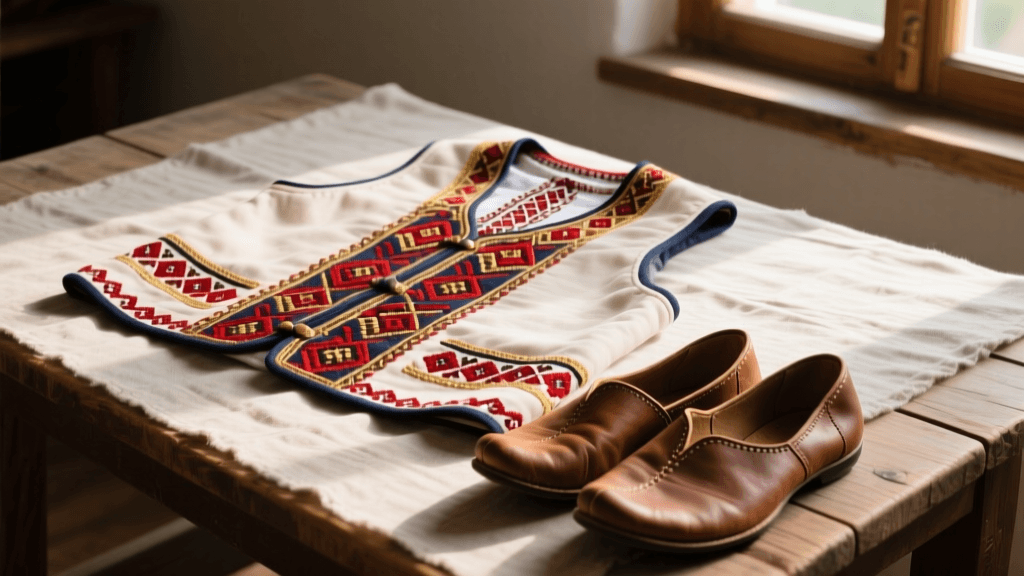
As we navigate the cultural landscape of 2026, the appreciation for authentic Eastern European and Balkan Slavic folk dress has reached unprecedented heights. No longer confined to museum displays or isolated rural festivals, traditional garments are being reclaimed by a new generation of cultural enthusiasts, diaspora communities, and sustainable fashion advocates. Among the most iconic and highly sought-after pieces in this revival are the Serbian opanci (traditional leather footwear) and the intricately embroidered vests, known as jelek and džamadan.
For collectors, performers, and cultural historians, sourcing authentic pieces requires navigating a market flooded with mass-produced, synthetic imitations. This comprehensive 2026 buyer’s guide will equip you with the knowledge to identify genuine craftsmanship, understand regional variations, and connect directly with master artisans preserving these centuries-old textile and leatherworking traditions.
The Anatomy of the Serbian Opanak
The opanak is arguably the most recognizable element of Serbian and broader Balkan Slavic folk dress. Historically worn by peasants across the Dinaric Alps and the Pannonian Basin, these moccasin-like shoes are constructed from a single piece of tanned leather, gathered and laced at the top. According to the extensive archives at the Ethnographic Museum in Belgrade, the design of the opanak varies significantly by region, serving as a geographical identifier for the wearer.
Regional Variations and the Iconic 'Kljun'
When sourcing opanci in 2026, you will primarily encounter two dominant styles:
- Šumadija Style: Characterized by the distinctive curled toe tip, known as the kljun (beak). This style is the most widely recognized internationally and is standard for central Serbian folk ensembles. The upper part is woven from thin leather strips in a complex, interlocking lattice pattern.
- Lika and Dinaric Styles: Common in the mountainous western regions, these feature a flatter, broader toe and are often constructed from thicker, un-dyed cowhide. They are designed for rugged terrain and are typically worn with thick, hand-knitted wool socks (čarape).
Leather Quality and Tanning Techniques
Authentic 2026 artisan opanci are crafted using vegetable-tanned calfskin or cowhide. Master cobblers in regions like Valjevo and Kragujevac still utilize traditional bark-tanning methods, which yield a durable, breathable leather that molds to the wearer's foot over time. Beware of tourist-market replicas made from chrome-tanned leather or synthetic polyurethane; these lack the structural integrity and historical accuracy required for serious folk ensembles.
Decoding the Traditional Embroidered Vests
Complementing the rugged simplicity of the opanci are the lavish, heavily embroidered vests that serve as the focal point of both men's and women's Balkan Slavic folk costumes. The level of ornamentation on these vests historically denoted the wearer's wealth, marital status, and village of origin.
Jelek vs. Džamadan
Understanding the terminology is crucial for accurate sourcing:
- Jelek: A shorter, waist-length vest, often sleeveless and open at the front. In women's attire, the jelek is heavily adorned with gold or silver wire embroidery (srma), sequins, and sometimes velvet or brocade panels. Men's jeleci are typically made of dark woolen cloth (čoha) with more restrained, geometric embroidery.
- Džamadan: A longer, often quilted vest or short jacket that overlaps at the chest. It is predominantly worn by men in eastern and southern Serbian regions, as well as in neighboring Balkan territories. The quilting provides essential insulation, while the edges are piped with thick woolen braid (gajtan).
The Art of Srma (Goldwork Embroidery)
The most prized vests feature srma, a technique involving the couching of metallic threads onto the fabric base. Research supported by the Smithsonian Center for Folklife and Cultural Heritage highlights that traditional Balkan goldwork relies on specific floral and geometric motifs, such as the stylized pomegranate, the tree of life, and interlocking stars. In 2026, genuine srma utilizes tarnish-resistant metallic threads spun around a silk or cotton core, a significant upgrade from the easily degraded brass wires of the 19th century.
2026 Sourcing Guide: Where to Buy Authentic Pieces
Finding genuine, artisan-crafted Balkan folk garments requires looking beyond standard e-commerce platforms. The 2026 market has seen a rise in specialized artisan cooperatives and heritage-focused digital marketplaces that connect global buyers directly with workshops in Serbia, Bosnia, and Montenegro.
Direct Artisan Cooperatives vs. Commercial Outlets
For museum-quality or performance-grade garments, purchasing directly from established workshops is essential. Cooperatives in cities like Novi Pazar and Prizren remain the epicenters for high-end vest embroidery, while leatherworking guilds in central Serbia dominate opanak production. When commissioning a custom vest, expect a lead time of 8 to 14 weeks, as the hand-embroidery process is intensely labor-intensive.
2026 Pricing and Sourcing Comparison
The following table outlines the current market expectations for authentic, artisan-made Serbian folk garments as of early 2026.
| Garment Type | Primary Material | 2026 Average Cost (USD) | Lead Time | Best Sourcing Region |
|---|---|---|---|---|
| Opanci (Šumadija Style) | Vegetable-tanned calfskin | $120 - $180 | 2 - 4 Weeks | Šumadija / Valjevo |
| Opanci (Dinaric Style) | Thick un-dyed cowhide | $90 - $140 | 1 - 3 Weeks | Užice / Zlatibor |
| Women's Jelek (Goldwork) | Velvet, Silk, Srma thread | $450 - $900+ | 8 - 14 Weeks | Novi Pazar / Prizren |
| Men's Džamadan (Quilted) | Woolen Čoha, Gajtan braid | $250 - $400 | 4 - 6 Weeks | Pirot / Leskovac |
Care and Preservation of Leather and Goldwork
Investing in authentic Balkan folk dress requires a commitment to proper preservation. The materials used in traditional garments are organic and highly susceptible to environmental damage if neglected.
Maintaining Your Opanci
Because authentic opanci lack modern synthetic waterproofing, they must be treated with natural leather balms. In 2026, heritage conservationists recommend using lanolin-based conditioners or pure neatsfoot oil. Apply the oil sparingly after every few wears, allowing it to penetrate the leather overnight. Never dry wet opanci near a direct heat source, as this will cause the vegetable-tanned leather to crack and shrink irreparably.
Preserving Srma Embroidery
Vests adorned with srma should never be machine washed or aggressively dry-cleaned, as the chemical solvents can strip the metallic finish from the threads. Instead, spot clean the fabric base with a mild, pH-neutral textile detergent. When storing the vest, wrap it in acid-free tissue paper and place it in a cedar-lined chest to deter moths and prevent the metallic threads from oxidizing. The National Museum of Serbia recommends storing heavily embroidered garments flat rather than on hangers to prevent stress on the historical stitching patterns.
Styling for Modern Folk Festivals and Ensembles
While historical accuracy is paramount for purists, the 2026 folk festival scene embraces a respectful blending of traditional elements. When styling your opanci and vests, ensure that the foundational garments—such as the linen košulja (shirt) and woolen pojas (sash)—are of equal quality. A masterfully embroidered jelek will look out of place if paired with a modern, mass-produced polyester shirt.
For men, the opanci should be worn with thick, hand-knitted wool socks featuring subtle geometric patterns at the cuff, secured with leather straps. For women, the vest should sit snugly over a heavily gathered linen blouse, allowing the goldwork to catch the light during traditional circle dances (kolo). By prioritizing authentic materials and supporting living artisan communities, you not only acquire a stunning garment but also become an active participant in the preservation of Balkan Slavic cultural heritage for future generations.