Top Seoul Hanbok Tailoring Workshops for 2026: Masterclass Guide
The 2026 Revival of Slow Fashion and Heritage Tailoring
As the global fashion industry pivots aggressively toward sustainability and cultural authenticity in 2026, the art of traditional garment making has experienced a massive renaissance. Discerning creators, designers, and textile enthusiasts are no longer satisfied with mass-produced clothing; they are seeking garments with a soul, steeped in history and crafted by hand. Among the most highly sought-after skills this year is the construction of the traditional Korean Hanbok. Learning to make a Hanbok is not merely about sewing; it is an immersive journey into Korean philosophy, color theory, and centuries-old engineering.
According to recent cultural tourism and heritage data highlighted by the Korea Tourism Organization, immersive craft workshops have become one of the fastest-growing segments of experiential travel in 2026. Visitors and expatriates alike are dedicating weeks to mastering the delicate arts of silk manipulation and traditional flat-pattern drafting. This guide explores the premier Hanbok tailoring workshops and seminars available in Seoul this year, providing you with the actionable insights needed to embark on your own sartorial heritage journey.
Why Seoul is the Epicenter for Hanbok Masterclasses
Seoul offers an unparalleled ecosystem for learning traditional Asian garment construction. The city seamlessly blends ancient artisan districts with cutting-edge textile markets. In neighborhoods like Bukchon Hanok Village and Jongno, master tailors who have dedicated their lives to preserving the Hanbok open their studios to dedicated students. Unlike Western tailoring seminars that often focus on rapid production, Seoul-based masterclasses emphasize the meditative, deliberate pace of traditional craftsmanship. The 2026 curriculum across these top-tier studios heavily features the philosophy of 'Obangsaek' (the traditional Korean five-color spectrum) and the structural integrity of natural fibers like ramie and silk.
Core Techniques Taught in 2026 Masterclasses
1. Flat Pattern Drafting (Pyungmyeon Jae-dan)
Unlike Western tailoring, which relies on complex, multi-darted patterns designed to mold fabric tightly to the body's three-dimensional curves, traditional Hanbok construction utilizes flat pattern drafting. In your first week of any reputable 2026 masterclass, you will learn how to cut straight lines and rely on the natural drape of the fabric to create volume. You will master the geometry of the 'Jeogori' (the upper garment), learning how the wide, straight sleeves and the curved 'Baerae' (the bottom curve of the sleeve) are calculated using simple, elegant ratios rather than complex body measurements.
2. The Art of the Dongjeong (White Collar)
The 'Dongjeong' is the stark, crisp white collar that frames the face and provides a striking visual contrast to the vibrant colors of the Hanbok. Creating a flawless Dongjeong is considered one of the most challenging skills for a beginner. Workshops this year dedicate entire days to the precise folding, starching, and slip-stitching required to make the collar sit perfectly against the neckline without puckering. Students learn to use traditional rice-based starches that have been modernized for 2026 humidity levels, ensuring the collar remains pristine in varying climates.
3. Traditional Seam Finishing (Gongchim)
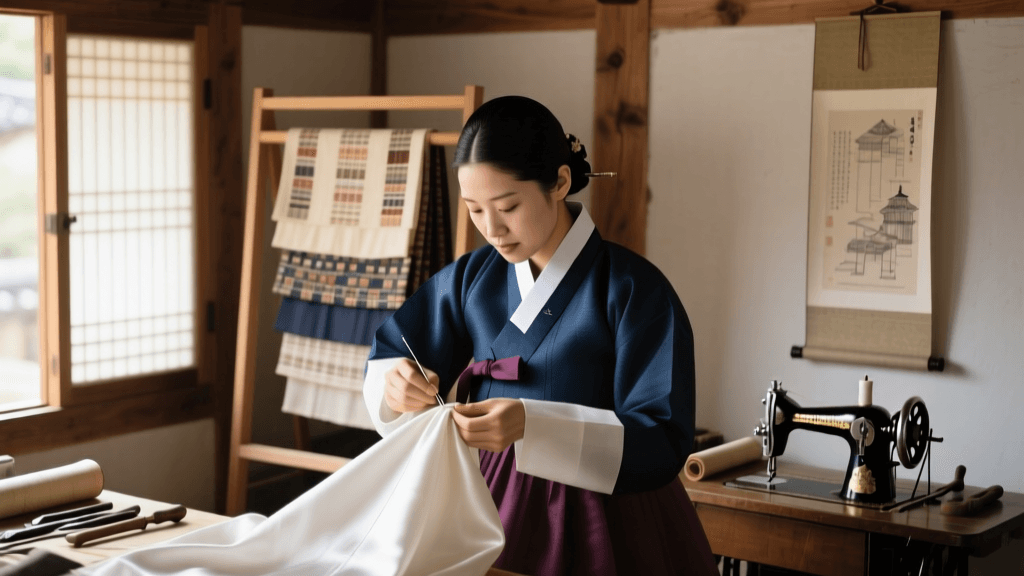
Gongchim is a meticulous blind-stitching technique used to finish the seams of the Hanbok, ensuring that no raw edges are visible and the garment is entirely reversible. This technique requires immense patience and fine motor control. The preservation of such hand-stitching methods is vital, a fact echoed by their inclusion and protection on the UNESCO Intangible Cultural Heritage Lists. Instructors will guide you through the specific needle angles and thread tensions required to execute Gongchim on delicate 'Myeongju' silk without causing the fabric to pucker.
2026 Seoul Hanbok Workshop Comparison Chart
Selecting the right seminar depends on your current skill level, available time, and budget. Below is a comparison of the top three workshop structures available in Seoul for 2026:
| Workshop Type | Duration | Focus Area | 2026 Tuition (USD) | Final Output |
|---|---|---|---|---|
| Bukchon Heritage Intensive | 5 Days | Full Jeogori Construction & Dongjeong | $850 | Custom Silk Jeogori |
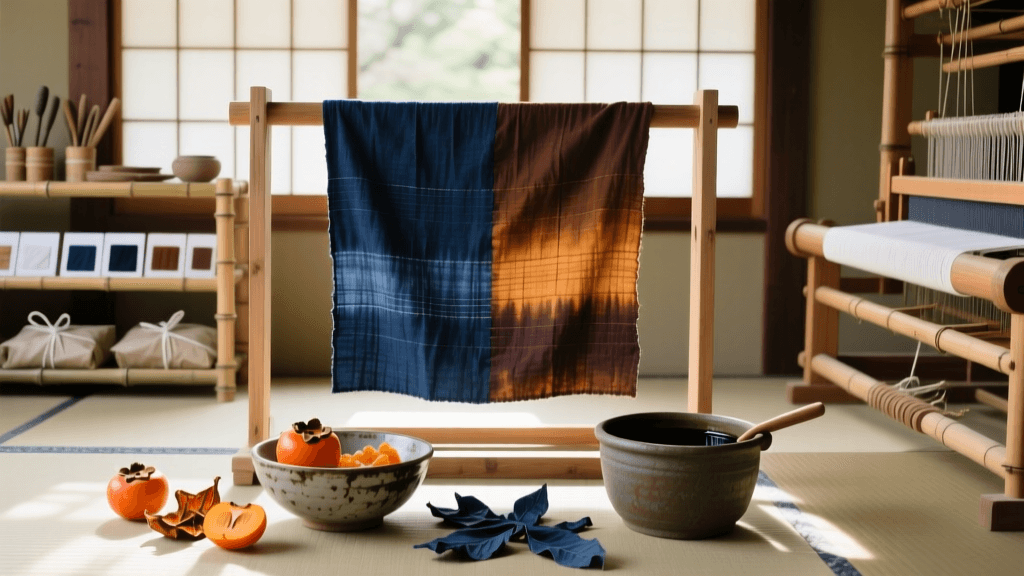
| Dongdaemun Textile & Dye Seminar | 2 Days | Natural Dyeing, Ramie Prep & Sourcing | $320 | Dyed Ramie Yardage |
| Jongno Master Tailor Apprenticeship | 4 Weeks | Advanced Gongchim, Chima & Full Ensemble | $2,400 | Complete Hanbok Set |
Sourcing Materials: Navigating Dongdaemun in 2026
No Hanbok masterclass is complete without learning how to source authentic materials. The Dongdaemun Comprehensive Market remains the beating heart of Seoul's textile trade. In 2026, navigating the 5th and 6th floors of the market—where traditional fabrics are sold—requires both a keen eye and an understanding of current market rates. High-grade 'Myeongju' (traditional Korean silk) currently averages around 85,000 KRW per yard, while premium 'Mosi' (fine ramie) from the Hansan region can fetch upwards of 120,000 KRW per yard due to the labor-intensive weaving process.
Most comprehensive workshops include a guided sourcing day. Your instructor will teach you how to perform the 'burn test' to verify natural fiber content, how to negotiate bulk pricing with vendors, and how to identify the subtle differences in the weave density that dictate how a fabric will drape when cut on the bias versus the straight grain.
Essential Tools for the Modern Hanbok Artisan
While traditional artisans of the past relied on rudimentary tools, the 2026 Hanbok maker blends heritage techniques with modern precision instruments. When packing for your Seoul workshop, ensure you bring or acquire the following:
- Kai 7250 Dressmaking Shears: The 2026 industry standard for cutting delicate silk and ramie without fraying the edges.
- Digital Fabric Tension Meter: Essential for measuring the drape and stretch of modern ramie-silk blends before cutting.
- Traditional Korean Brass Rulers (Ja): While digital measuring is common, master tailors insist on using traditional wooden or brass rulers for flat pattern drafting to maintain the authentic proportions of the Baerae curve.
- Silk Pins (Extra Fine): Standard pins will leave permanent holes in high-grade Myeongju silk. Extra-fine, glass-headed silk pins are mandatory.
- Beeswax Thread Conditioner: Used to coat silk threads before executing Gongchim, preventing tangling and adding tensile strength.
Practical Advice for International Attendees
For international artisans traveling to Seoul in 2026, logistics are smoother than ever, but preparation is key. Many top-tier studios now offer bilingual instruction (Korean and English), though bringing a dedicated translation app for market excursions is highly recommended. When it comes to transporting your finished garments and heavy fabric yardage back home, utilizing the Korean Postal Service's EMS (Express Mail Service) is the most reliable and cost-effective method, with most studios offering direct shipping assistance on your final day.
Understanding the historical weight of what you are creating is just as important as the physical construction. Institutions like the V&A Museum Asian Collections frequently highlight the structural brilliance of East Asian garments, noting how their flat-cut designs allowed for easy repair, recycling, and multi-generational use. By learning to make a Hanbok in 2026, you are not just acquiring a sewing skill; you are participating in the active preservation of a sustainable, zero-waste fashion philosophy that the modern world desperately needs to relearn.
Whether you choose a brief two-day dyeing seminar or commit to a month-long master tailoring apprenticeship in Jongno, the skills you acquire in Seoul will fundamentally change how you view, handle, and create textiles for the rest of your life.