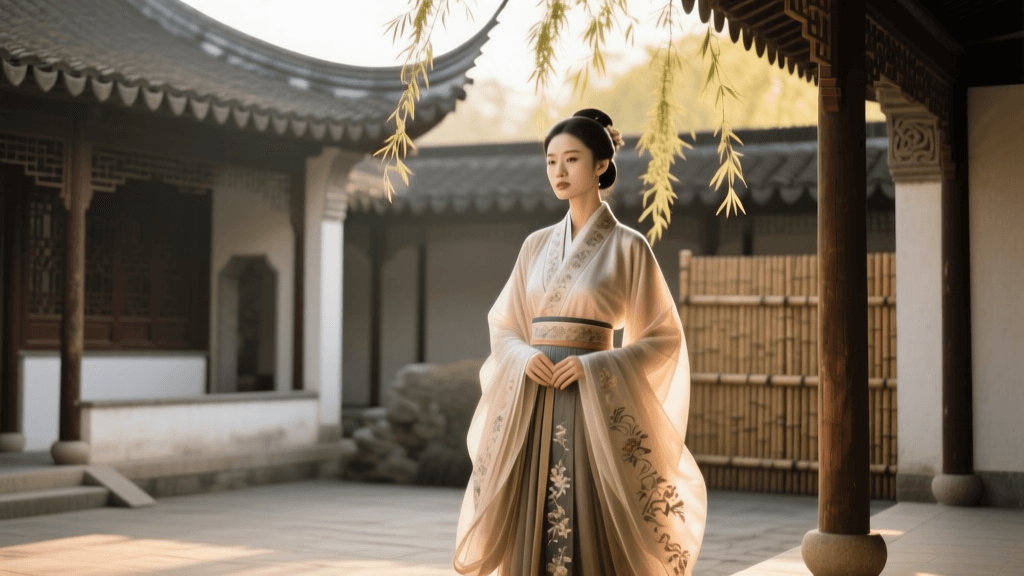
Best Hanfu Certification Programs & Workshops 2026
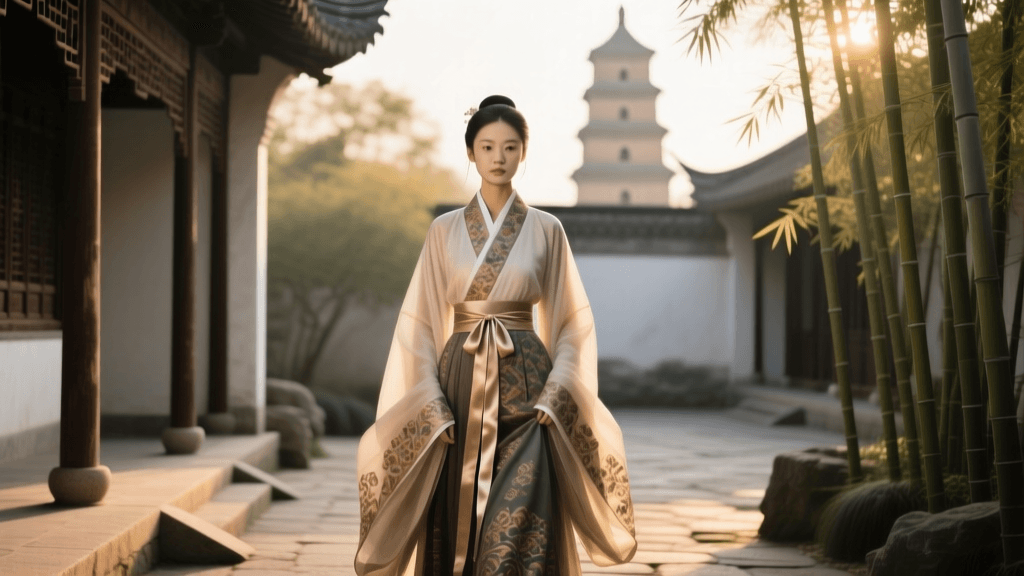
The Evolution of Hanfu Education in 2026
The Hanfu movement has undergone a remarkable transformation over the last decade, evolving from a niche internet subculture into a mainstream cultural, academic, and economic powerhouse. As we navigate through 2026, the demand for authenticated, historically accurate traditional Chinese garments has skyrocketed, driven by global fashion runways, high-budget historical television dramas, and a booming cultural tourism sector. Consequently, the need for formally trained Hanfu artisans, stylists, and cultural educators has never been higher. Today, enthusiasts and professionals alike are turning to specialized Hanfu education workshops and certification programs to master the intricate arts of traditional tailoring, textile weaving, and period-specific styling.
Unlike the informal, community-led tutorials of the early 2010s, the educational landscape in 2026 is highly structured. Institutions across China and international cultural heritage centers now offer rigorous curricula that align with global standards for preserving traditional crafts. This formalization is deeply influenced by frameworks like UNESCO's Intangible Cultural Heritage guidelines, which emphasize the transmission of traditional craftsmanship to younger generations through structured apprenticeships and academic validation.
Whether you are an aspiring costume designer for film and theater, a boutique owner looking to authenticate your inventory, or a cultural historian seeking hands-on experience, obtaining a recognized Hanfu certification in 2026 provides a distinct competitive advantage. This comprehensive guide explores the top certification tracks, leading workshops, curriculum breakdowns, and the essential tools required to succeed in this flourishing industry.
Core Hanfu Certification Tracks
Modern Hanfu education is no longer a monolithic subject; it has branched into specialized disciplines. When selecting a program, candidates typically choose one of three primary certification tracks, each catering to different professional goals and historical interests, ranging from the foundational structures of historical Hanfu evolution to advanced textile conservation.
1. Traditional Tailoring and Pattern Drafting (Pingmian Caitu)
This track is designed for those who wish to create garments from scratch. The focus is on 'Pingmian Caitu' (flat pattern cutting), the traditional Chinese method of garment construction that minimizes fabric waste and relies on geometric precision rather than Western dart-and-seam tailoring. Students learn to draft patterns for iconic silhouettes, including the Ming dynasty 'Mamianqun' (horse-face skirt) and the Song dynasty 'Beizi' (long open-front coat). Certification requires the successful completion of a fully hand-stitched, historically accurate garment using period-appropriate seam finishes.
2. Textile Sourcing, Weaving, and Natural Dyeing
For those fascinated by the materials themselves, this track dives deep into traditional Chinese textiles. Programs in this category often partner with heritage silk mills and brocade workshops. Students study the complex mechanics of 'Shu' and 'Yun' brocades, learn to operate traditional wooden drawlooms, and master the chemistry of natural plant-based dyes, such as indigo, madder root, and gardenia yellow. Graduates are certified as Textile Heritage Specialists, qualified to consult for museums and high-end fashion houses on fabric authenticity.
3. Hanfu Styling, Etiquette, and Cultural Interpretation
This track is ideal for event planners, cultural tourism guides, and boutique stylists. It moves beyond the physical garment to explore how Hanfu was worn in historical contexts. The curriculum covers period-accurate hairstyles, jade and metal accessory pairing, and the strict sumptuary laws and etiquette rules that dictated who could wear what during the Tang, Song, and Ming dynasties. Certification involves staging a historically accurate ceremonial reenactment, such as a traditional coming-of-age ceremony (Guan Li or Ji Li).
Top Hanfu Workshops and Institutions for 2026
To help you navigate the educational landscape, we have evaluated the most prestigious Hanfu workshops operating in 2026. The following table compares the leading institutions based on their specialization, duration, costs, and the global recognition of their certifications.
| Institution / Workshop | Location | Primary Focus | Duration | 2026 Tuition (USD) |
|---|---|---|---|---|
| Beijing Traditional Garment Institute | Beijing, China | Ming Dynasty Tailoring & Court Dress | 6 Months (Intensive) | $6,500 |
| Chengdu Shu Brocade & Hanfu Academy | Chengdu, China | Textile Weaving & Natural Dyeing | 3 Months | $3,200 |
| Hangzhou Silk & Hanfu Styling Center | Hangzhou, China | Song Dynasty Aesthetics & Styling | 4 Weeks | $1,800 |
| Global Heritage Garment Project (Online/Hybrid) | International | Pattern Drafting & Historical Research | 12 Weeks (Part-time) | $950 |
The Beijing Traditional Garment Institute remains the gold standard for rigorous, museum-level tailoring. Their 2026 curriculum has been updated to include digital archiving techniques, allowing students to 3D-scan historical artifacts from the Palace Museum to inform their physical pattern drafting. Meanwhile, the Chengdu Shu Brocade & Hanfu Academy offers an immersive, rural retreat experience where students live alongside master weavers, learning the tactile nuances of silk processing that cannot be taught in a traditional classroom.
For international students unable to relocate to China for extended periods, the Global Heritage Garment Project has emerged as a vital resource in 2026. Their hybrid model combines high-definition virtual loom simulations and digital pattern-drafting software with a final physical submission that is mailed to master artisans in Xi'an for grading. This program has been instrumental in democratizing access to Hanfu education globally.
Curriculum Breakdown: What You Will Learn
A certified Hanfu program in 2026 goes far beyond simple sewing. The curriculum is deeply interdisciplinary, blending history, chemistry, and engineering. Here is a detailed look at the core modules you will encounter in a comprehensive tailoring and styling certification:
- Historical Pattern Drafting and Geometry: Unlike Western tailoring, which sculpts fabric to the body's curves, traditional Chinese tailoring respects the integrity of the woven cloth. You will learn the mathematical ratios used to calculate sleeve widths, collar overlaps (Jiaoling Youren), and hem lengths based on historical texts and surviving archaeological garments.
- Natural Dyeing and Mordant Chemistry: Students spend weeks in the dye lab mastering the use of alum, iron, and plant-based mordants to achieve colorfastness. You will learn how to replicate the exact 'Tianqing' (sky blue) and 'Zitan' (red sandalwood) hues favored by Song dynasty literati, utilizing sustainable, eco-friendly methods that are highly prized in the 2026 fashion market.
- Hand-Stitching and Seam Finishing: Machine sewing is strictly prohibited in the final certification projects. You must master traditional hand-stitches, such as the hidden hem stitch and the reinforced backstitch, ensuring that the inside of the garment is as immaculate and historically accurate as the outside.
- Accessory Crafting and Metalwork Basics: A complete Hanfu ensemble requires specialized accessories. Workshops often include modules on shaping copper and brass into traditional hairpins (Zan and Chai), as well as silk-thread wrapping techniques for creating decorative knots and waist ornaments.
Essential Tools for the 2026 Hanfu Artisan
To succeed in these rigorous programs, students must invest in a specialized toolkit. The modern Hanfu artisan bridges the gap between ancient techniques and modern precision. In 2026, the following tools are considered mandatory for certification candidates:
- Longquan Hand-Forged Carbon Steel Shears: Mass-produced fabric scissors will fray delicate silks and brocades. Artisans rely on custom-forged shears from Longquan, which provide the heavy, gliding cut necessary for multiple layers of silk organza and damask.
- Digital Pantone Spectrometers: While traditional dyeing relies on intuition and visual matching, 2026 certification programs require students to use handheld digital spectrometers to measure the exact color output of their natural dye baths, ensuring consistency across different fabric batches.
- Silk-Weighting Bamboo Irons: Traditional flat irons heated by charcoal are still used for ceremonial demonstrations, but for daily studio work, artisans use specialized bamboo-soled electric irons. These tools distribute heat evenly without scorching delicate protein fibers, and their natural bamboo bases prevent synthetic shine on silk surfaces.
Career Opportunities and ROI After Certification
Investing time and capital into a Hanfu certification program yields significant professional dividends in the current cultural economy. The global market for traditional and neo-traditional Asian garments has expanded well beyond domestic borders. Certified Hanfu professionals are actively recruited by major film and television production studios in Hengdian and internationally, where the demand for historical accuracy in costume design is strictly enforced by directors and audiences alike.
Beyond entertainment, the cultural tourism sector is a massive employer of certified stylists. Heritage sites, museums, and luxury resorts across Asia are hiring Hanfu experts to curate immersive historical experiences for guests, manage high-end rental boutiques, and lead educational workshops. According to industry analyses of the Asian textile and garment heritage sector, professionals with verifiable certifications in traditional craftsmanship command premium consulting fees, often operating independent studios that cater to bespoke bridal wear, coming-of-age ceremonies, and high-fashion editorial shoots. The return on investment for a comprehensive 2026 certification program is typically realized within the first two years of professional practice, as the artisan builds a portfolio of historically authenticated, high-value commissions.
How to Choose the Right Program for Your Goals
When selecting a Hanfu workshop in 2026, start by defining your end goal. If you wish to open a retail boutique, a short-term styling and textile identification course will suffice to help you authenticate wholesale garments and educate your customers. However, if your ambition is to become a master tailor or a museum conservator, you must commit to a multi-month, intensive tailoring program that requires a physical portfolio submission.
Always verify the credentials of the master artisans leading the workshop. Look for programs affiliated with recognized provincial intangible cultural heritage inheritors. Finally, consider the language of instruction; while many top-tier programs in Beijing and Hangzhou are taught in Mandarin, 2026 has seen a surge in bilingual programs and hybrid digital courses designed specifically to accommodate the growing international community of Hanfu enthusiasts and researchers. By choosing the right certification path, you position yourself at the forefront of a global movement dedicated to preserving and revitalizing one of the world's most magnificent sartorial traditions.