Top Seoul Hanbok Making Masterclasses for 2026 Reviewed
The Resurgence of Traditional Hanbok Sewing in 2026
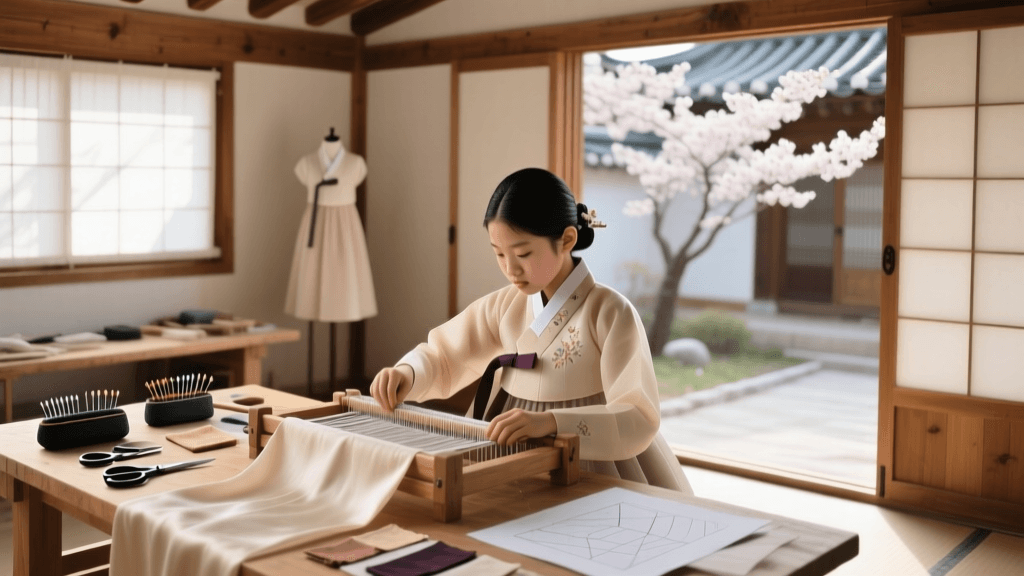
In 2026, the global slow fashion movement has firmly embraced traditional Asian garments, with the Korean hanbok experiencing a massive renaissance. No longer reserved solely for holidays like Chuseok or weddings, the hanbok has evolved into a canvas for personal expression and artisanal mastery. For textile enthusiasts and fashion historians, learning to construct a hanbok from scratch is the ultimate immersion into Korean heritage. According to the Seoul Metropolitan Government's cultural tourism board, bookings for heritage craft seminars have increased by 40% this year, driven by international and domestic students eager to learn authentic chimseon (traditional sewing) techniques.
Unlike Western tailoring, which relies heavily on darts and complex curved seams to fit the body's contours, traditional hanbok construction is based on flat-pattern cutting, straight lines, and the strategic use of gathers and pleats. This fundamental difference makes attending a specialized masterclass in Seoul essential for anyone serious about mastering the craft.
Why Learn from a Seoul Masterclass?
While online tutorials can teach basic stitching, the true art of the hanbok lies in the tactile knowledge passed down through generations of Jang-in (master artisans). In a 2026 masterclass, you will learn the precise tension required for sewing delicate myeongju (pure silk) without puckering, the mathematical precision behind the hidden pleats of a chima (skirt), and the structural integrity needed for the git (collar) to stand perfectly against the neck.
Furthermore, the National Folk Museum of Korea frequently partners with local studios to ensure that the curriculums taught in these seminars align with historically accurate Joseon-era construction methods, while still accommodating modern 2026 fabric innovations.
Top 3 Seoul Hanbok Construction Workshops for 2026
1. Bukchon Heritage Hanbok Studio: The Traditional Jeogori Intensive
Located in the historic Bukchon Hanok Village, this studio offers a rigorous four-weekend masterclass focused entirely on the jeogori (traditional jacket). Students learn the flat-pattern drafting method, the application of seop (front overlap panels), and the meticulous hand-stitching required for the inner lining.
- Duration: 4 weekends (32 hours total)
- Cost: 850,000 KRW (approx. $630 USD)
- Materials Included: Premium silk myeongju, traditional cotton batting, and a custom wooden ruler.
- Best For: Intermediate sewists who already understand basic garment assembly and want to pivot to historical Asian techniques.
2. Dongdaemun Textile Lab: Modern Chima Pleating & Sourcing
Dongdaemun remains the beating heart of Asia's textile market. This two-day intensive seminar leverages the neighborhood's vast resources. Day one is spent navigating the 2026 wholesale fabric markets to source authentic ramie (mosi) and modern blended silks. Day two focuses exclusively on the mathematics and ironing techniques required to create the voluminous, gravity-defining pleats of the chima.
- Duration: 2 days (16 hours)
- Cost: 320,000 KRW (approx. $240 USD)
- Materials Included: 8 yards of high-grade ramie, specialized pleating clamps, and a sourcing guidebook.
- Best For: Fashion students and designers looking to incorporate Asian volumetric draping into contemporary collections.
3. Jongno Master Artisan Seminar: Goreum Tying & Natural Dyeing
The goreum (the long, flowing ribbons that tie the jeogori) is arguably the most recognizable silhouette of the hanbok. This specialized one-week seminar dives deep into the structural bias-cutting of the goreum, ensuring it drapes elegantly without twisting. It also includes a three-day module on cheon-yeon-saek (natural dyeing) using 2026's sustainable indigo and persimmon tannin vats.
- Duration: 5 consecutive days (40 hours)
- Cost: 1,100,000 KRW (approx. $815 USD)
- Materials Included: Hand-dyed silk ribbons, natural mordants, and a brass pressing iron.
- Best For: Textile artists and dyers wanting to understand the intersection of color chemistry and traditional Korean tailoring.
Workshop Comparison Chart
| Workshop Name | Primary Focus | Duration | 2026 Cost (KRW) | Skill Level |
|---|---|---|---|---|
| Bukchon Heritage Studio | Jeogori (Jacket) Construction | 4 Weekends | ₩850,000 | Intermediate |
| Dongdaemun Textile Lab | Chima (Skirt) Pleating & Sourcing | 2 Days | ₩320,000 | Beginner/Intermediate |
| Jongno Artisan Seminar | Goreum (Ribbons) & Natural Dyeing | 5 Days | ₩1,100,000 | Advanced |
Essential Toolkit for Hanbok Sewing
If you are attending a 2026 seminar, most high-end studios provide fabrics, but you are often expected to bring your own specialized hand-sewing toolkit. Here is what you need to invest in before your first class:
- Chimseon Needles: Unlike standard Western sharps, traditional Korean needles are exceptionally fine and long to accommodate the running stitch (homjil) used in flat seams. Expect to pay around 15,000 KRW for a premium set.
- Silk Pins (Glass Head): Essential for pinning myeongju silk without leaving permanent holes. The glass heads prevent melting if you accidentally touch them with a hot iron.
- Traditional Wooden Ruler (Chima-Ja): Used for measuring the extensive yardage required for skirts. A 1-meter polished bamboo or wooden ruler is preferred over flexible tape measures for maintaining straight grainlines.
- Beeswax Thread Conditioner: Crucial for strengthening silk thread and preventing tangling during the long, continuous running stitches required for hemming.
Booking Tips and Visa Considerations for 2026
Due to the surge in cultural tourism, the most reputable masterclasses in Seoul book out three to four months in advance. For international students planning to attend the intensive 5-day Jongno seminar or longer programs, ensure your travel documentation is in order. According to the Korea Craft & Design Foundation, many accredited artisan studios now provide official certificates of enrollment, which can be useful for those applying for specialized cultural exchange visas or extending their stay for further textile research.
When booking, always confirm whether the instruction is offered in English or if a translator is provided. While basic sewing terminology is universal, the nuanced philosophy behind the drape and flow of the hanbok requires clear communication to truly master the art form.
Final Thoughts on Mastering the Craft
Learning to construct a hanbok is not merely about assembling fabric; it is an exercise in patience, geometry, and respect for Asian heritage. The 2026 workshop season offers unprecedented access to master artisans who are eager to share their secrets with a new generation of global makers. Whether you are drafting the sharp angles of a jeogori or dyeing silk in deep indigo, the skills you acquire in a Seoul masterclass will permanently elevate your understanding of traditional garment making.