2026 Kimono Styling Guide: Nishijin-ori Weaving & Zen Aesthetics
The Renaissance of Nishijin-ori in 2026
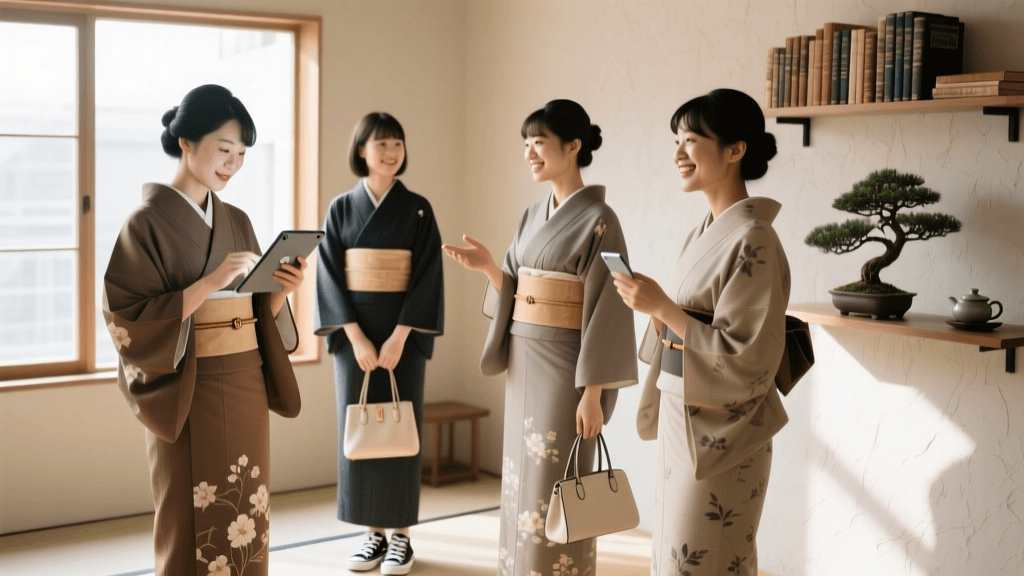
The landscape of traditional Japanese clothing has undergone a profound transformation as we navigate through 2026. No longer confined to rigid historical reenactments or overly formal, antiquated ceremonies, the kimono has re-emerged as a dynamic canvas for contemporary self-expression. At the heart of this 2026 revival is Nishijin-ori, the legendary brocade weaving technique originating from Kyoto's Nishijin district. Characterized by its intricate, multi-colored patterns and the use of precious metallic threads, Nishijin-ori represents the pinnacle of Japanese textile artistry. Today, a new generation of weavers and fashion designers are reimagining this ancient craft, blending centuries-old jacquard loom techniques with modern sustainable practices.
According to the Nishijin Textile Center, the demand for ethically sourced silk and recycled metallic yarns has surged in 2026. Artisans are now incorporating lab-grown silk proteins and upcycled gold leaf into their brocades, significantly reducing the environmental footprint of luxury garment production without sacrificing the breathtaking luster that defines Nishijin textiles. This fusion of heritage and sustainability has made Nishijin-ori obi sashes highly sought after by eco-conscious consumers and international fashion houses alike.
Zen Spirituality and Minimalist Silhouettes
While Nishijin-ori is traditionally associated with opulent, densely packed designs, the prevailing fashion ethos of 2026 leans heavily into Zen spirituality and the concept of Ma (negative space). Modern kimono stylists are embracing a minimalist aesthetic that allows the beauty of the fabric and the wearer's natural form to breathe. This shift marks a departure from the heavily ornamented, maximalist styles popular in the late Heisei era, favoring instead the quiet elegance of Reiwa-era minimalism.
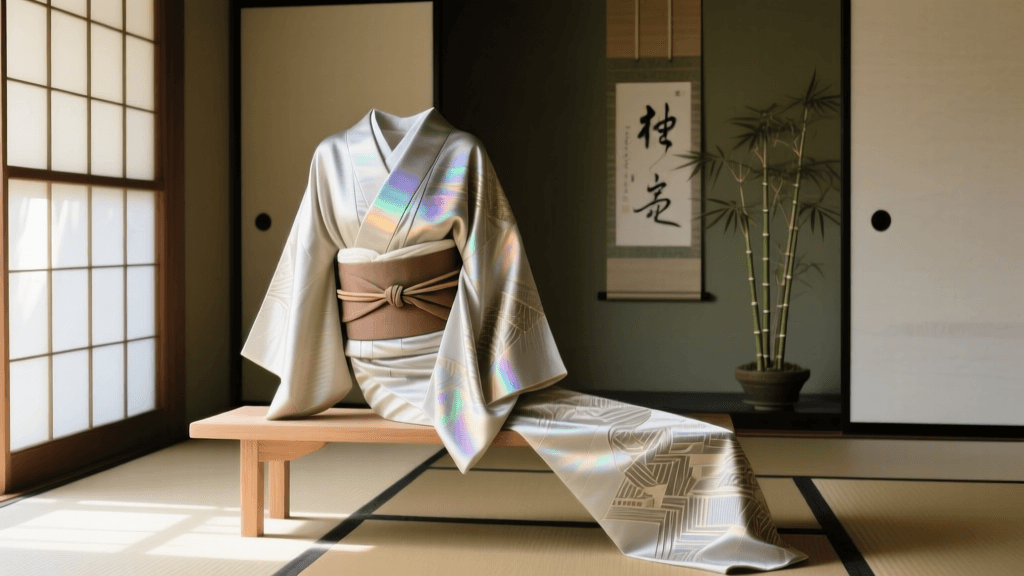
In 2026, styling a kimono with Zen principles involves deliberate asymmetry and restrained color palettes inspired by natural elements—such as the muted greens of moss gardens, the charcoal grays of temple stones, and the soft indigos of twilight. When a luxurious Nishijin-ori obi is worn, the kimono itself is typically a solid, matte crepe (chirimen) or a subtly textured woven silk (tsumugi), ensuring that the intricate brocade serves as a singular, powerful focal point rather than competing with a busy background.
Life Stages and Garment Selection
The integration of traditional weaving and modern minimalism is particularly evident in how Japanese consumers approach life-stage ceremonies in 2026. From coming-of-age celebrations to weddings, the selection of garments reflects a desire for personal authenticity and cultural continuity.
| Life Stage / Ceremony | Traditional Garment | 2026 Styling & Weaving Trends | Estimated Cost (JPY) |
|---|---|---|---|
| Seijin-shiki (Coming of Age) | Furisode (Long-sleeved kimono) | Subtle Nishijin-ori hem motifs; matte silk bases; minimalist floral crests. | ¥350,000 - ¥600,000 |
| Shiromuku (Wedding) | White Uchikake & Kakeshita | Tone-on-tone Zen geometric weaving; sustainable raw silk blends. | ¥800,000 - ¥1,500,000 |
| Tearming (Tea Ceremony) | Iromuji or Tsukesage | Edo-komon micro-patterns paired with understated, nature-inspired Nishijin obi. | ¥200,000 - ¥400,000 |
| Graduation (Sotsugyoshiki) | Hakama & Furisode/Kimono | Dark, solid hakama with vintage-inspired, upcycled Nishijin half-width obi. | ¥150,000 - ¥300,000 |
For weddings in 2026, the shiromuku (pure white wedding kimono) has seen a rise in tone-on-tone weaving. Instead of heavy, colorful embroidery, brides are opting for white Nishijin-ori fabrics where the patterns are woven into the silk itself, visible only when the light catches the subtle textures. This approach perfectly encapsulates the modern Zen aesthetic: luxurious yet profoundly understated.
Footwear and Accessories: The Sensory Experience
The Japanese fashion experience is inherently multi-sensory, and the styling of footwear and accessories in 2026 reflects a heightened awareness of tactile and auditory elements. The concept of kinu-nari—the gentle, rustling 'song' of silk as the wearer moves—is highly prized. Stylists carefully select the weight and weave of the kimono and the lining (hiyoku) to maximize this acoustic elegance.
Footwear has also evolved to meet the demands of modern urban environments while preserving traditional silhouettes. In 2026, high-end zori and geta feature hidden ergonomic advancements. The Kyoto Costume Institute has noted a rise in contemporary footwear designers utilizing sustainable cork bases, memory-foam insoles wrapped in woven tatami rush, and adjustable, elasticized hanao (thongs) that prevent the foot fatigue historically associated with traditional sandals. Furthermore, tabi socks are now frequently crafted from organic cotton blends with reinforced split-toe arch support, marrying the sensory comfort of modern athletics with the visual requirements of traditional dress.
International Design and Cross-Cultural Trade
The global appetite for Japanese heritage crafts has never been stronger, and 2026 has witnessed unprecedented cross-cultural trade in the realm of traditional textiles. International luxury fashion houses are actively collaborating with Kyoto-based Nishijin weaving guilds to produce exclusive capsule collections. These partnerships not only inject vital capital into aging artisan communities but also introduce Japanese weaving techniques to global runways in Paris, Milan, and New York.
However, this internationalization is handled with deep respect for cultural intellectual property. The Agency for Cultural Affairs, Government of Japan, has implemented stringent geographical indication (GI) protections in 2026 to ensure that only textiles woven in the Nishijin district using certified traditional methods can bear the Nishijin-ori label. This protects the integrity of the craft against mass-produced, overseas imitations and ensures that international consumers are investing in authentic, master-crafted garments.
Practical Guide: Sourcing, Styling, and Preservation
For enthusiasts and collectors looking to acquire authentic Nishijin-ori garments or obi in 2026, understanding the market and proper preservation techniques is essential. A brand-new, master-woven fukuro obi (a formal, double-layered sash) utilizing pure gold leaf (koma-shu) and premium domestic silk can command prices ranging from ¥600,000 to over ¥1,500,000. However, the thriving market for certified vintage and upcycled textiles offers accessible entry points, with high-quality mid-century pieces available for ¥80,000 to ¥200,000.
Modern Preservation Techniques
Preserving these investment pieces requires a blend of traditional wisdom and modern technology. The traditional practice of mushi-boshi (airing out garments in the dry autumn wind) remains a vital ritual to prevent mold and insect damage. In 2026, this is supplemented by smart-storage solutions. Many collectors utilize climate-controlled, cedar-lined wardrobes equipped with IoT humidity sensors that alert the owner via smartphone if the moisture levels deviate from the ideal 50-55% range.
- Storage: Always store silk garments flat, folded along their original seam lines, wrapped in acid-free, unbleached cotton cloth (tatou-shi).
- Scent: Avoid synthetic mothballs, which can chemically react with metallic threads. Instead, use natural camphor wood blocks or dried cloves placed in the corners of the storage drawers.
- Cleaning: Never wash Nishijin-ori. Spot cleaning should only be attempted by certified kimono washing artisans (arai-hari specialists) who use traditional rice-bran and chemical-free enzymatic treatments.
As we move deeper into 2026, the comprehensive guide to Japanese fashion is no longer just about preserving the past; it is about actively curating a living, breathing tradition. By embracing the sustainable innovations of Nishijin-ori weaving and the quiet, intentional beauty of Zen minimalism, modern wearers are ensuring that the kimono remains a profound, relevant, and breathtakingly beautiful garment for generations to come.