Top Seoul Hanbok Tailoring Workshops 2026: Chima & Jeogori
The 2026 Revival of Traditional Hanbok Tailoring
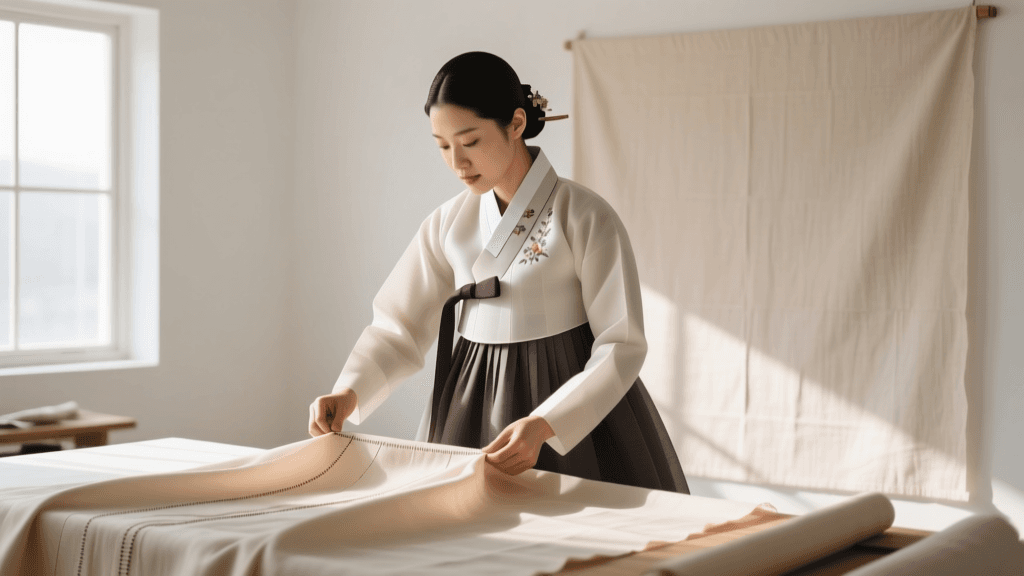
As we navigate the global slow fashion movement in 2026, the art of traditional Asian garment making has experienced a profound renaissance. Nowhere is this more evident than in Seoul, South Korea, where immersive workshops and seminars dedicated to the creation of the hanbok are selling out months in advance. The hanbok, characterized by its vibrant colors, simple lines, and elegant silhouettes, represents centuries of Korean cultural heritage. According to Encyclopædia Britannica, the fundamental structure of the hanbok—comprising the jeogori (jacket) and chima (wrap skirt) for women, or baji (trousers) for men—has remained remarkably consistent since the Joseon Dynasty, even as the textiles and decorative techniques have evolved.
In 2026, the focus of these educational seminars has shifted toward a hybrid approach: preserving the meticulous hand-stitching techniques of the past while integrating sustainable, modern textile sourcing. Aspiring tailors, fashion students, and cultural enthusiasts are flocking to Seoul's premier ateliers to learn how to draft, cut, and sew these iconic garments. Whether you are looking to master the intricate pleating of a ceremonial chima or the precise structural tailoring of a daily-wear saenghwal hanbok, the city's educational infrastructure offers unparalleled access to master artisans.
Why Attend a Seoul Hanbok Sewing Seminar in 2026?
Learning to construct a hanbok requires an understanding of unique flat-pattern drafting and specific seam allowances that differ vastly from Western tailoring. Western garments rely heavily on darts and curved seams to contour the body. In contrast, the hanbok is constructed primarily from straight lines and rectangular panels, relying on the drape of the fabric, strategic pleating, and the tying of the goreum (ribbon ties) to create volume and movement.
Attending a specialized seminar in Seoul provides hands-on experience with traditional fabrics like myeongju (silk) and mosi (ramie), which behave differently under the needle than standard cottons or wools. Furthermore, the 2026 curriculum across top Seoul ateliers heavily emphasizes sustainable practices, teaching students how to utilize zero-waste cutting layouts and natural dyeing techniques that align with contemporary eco-friendly fashion standards.
Top 3 Hanbok Making Workshops in Seoul (2026 Guide)
For those planning their educational journey this year, we have curated a list of the most highly rated hanbok tailoring seminars currently operating in Seoul. These programs range from intensive multi-week masterclasses to weekend symposiums.
1. Bukchon Heritage Hanbok Atelier (In-Person Intensive)
Located in the historic Jongno-gu district, the Bukchon Heritage Atelier offers a rigorous four-week intensive program. This seminar is designed for intermediate sewists who already possess basic machine skills but want to master traditional hand-finishing techniques. The curriculum focuses heavily on the jeogori, teaching students how to properly attach the dongjeong (the detachable white paper collar) and how to draft the curved baerae (the curved bottom line of the sleeve). The 2026 tuition is 1,200,000 KRW, which includes all premium silk materials and traditional sewing tools.
2. Dongdaemun Digital Design & Drafting Hybrid Seminar
Bridging the gap between ancient techniques and modern technology, the Dongdaemun seminar utilizes 3D body scanning and digital pattern-making software to draft the foundational blocks of the chima and baji. Students spend the first week in the digital lab perfecting their measurements and printing zero-waste layout patterns, followed by a week of physical construction. This hybrid approach is highly popular among international fashion design students. The cost for this two-week seminar is 850,000 KRW.
3. Sejong City Traditional Stitching Symposium
For those who cannot commit to a multi-week course, the Sejong Symposium offers a concentrated three-day weekend masterclass focusing exclusively on kkeunjimjil (decorative traditional stitching) and subo (embroidery). This seminar is less about structural garment construction and more about the embellishments that elevate a standard hanbok to ceremonial status. Priced at 450,000 KRW, it is an excellent supplementary course for advanced tailors looking to refine their finishing details.
Essential Tools and Materials for 2026 Hanbok Workshops
Before stepping into the atelier, it is crucial to understand the specific tools required for hanbok construction. Master tailors in Seoul recommend the following 2026-standard toolkit:
- Clover 50mm Silk Pins: Essential for securing slippery gongjin (silk gauze) without snagging or leaving permanent holes in the delicate weave.
- Chimabon Drafting Paper (50gsm): A specialized, semi-transparent drafting paper used for plotting the wide, multi-panel skirts. Its lightweight nature allows tailors to pin it directly to the fabric for precise cutting.
- Water-Soluble Fabric Pens: Traditional chalk can leave residue on high-sheen silk. Modern 2026 seminars mandate the use of fine-tip, water-soluble pens for marking pleat lines on the chima.
- Gongjin and Myeongju Textiles: Sourced directly from the Dongdaemun market, premium myeongju currently retails for approximately 45,000 KRW per yard. Students are advised to pre-wash their ramie and cotton linings (bae) to account for shrinkage before cutting.
- Traditional Korean Thimbles (Golmu): Unlike Western cap thimbles, Korean thimbles are often worn on the side of the finger or as a ring, providing better leverage for pushing needles through dense, multi-layered silk collars.
Workshop Comparison Chart
| Workshop Name | Duration | Primary Focus Area | 2026 Price (KRW) | Format |
|---|---|---|---|---|
| Bukchon Heritage Atelier | 4 Weeks | Jeogori Structure & Hand-finishing | 1,200,000 | In-Person |
| Dongdaemun Hybrid Seminar | 2 Weeks | Digital Drafting & Zero-Waste Cutting | 850,000 | Hybrid (Lab + Studio) |
| Sejong Stitching Symposium | 3 Days | Kkeunjimjil & Embroidery | 450,000 | Weekend Intensive |
Step-by-Step: Mastering the Chima Pleating Module
The most iconic element of the women's hanbok is the voluminous chima. In 2026, seminars dedicate significant time to teaching the precise pleating required to achieve the perfect bell-like silhouette. Preservation and construction methods outlined by institutions like The Metropolitan Museum of Art's Asian Art Department highlight the importance of maintaining historical accuracy in these pleating techniques. Here is the standard step-by-step process taught in Seoul's top ateliers:
- Panel Preparation: A traditional chima requires between three to four full widths of fabric (approximately 120 inches in total circumference). The panels are sewn together using a flat-felled seam to ensure durability and a clean finish on both sides.
- Marking the Pleats: Using the 50gsm Chimabon paper as a guide, students mark the pleat lines with a water-soluble pen. The standard 2026 curriculum teaches the nu-reum-ja (pressed) pleat, where fabric is folded uniformly to create a structured, accordion-like volume.
- Basting and Pressing: Before any permanent stitching occurs, the pleats are hand-basted with silk thread. A specialized steam iron is used to set the pleats, utilizing a pressing cloth to prevent water spots on the silk.
- Attaching the Waistband (Chima-mal): The pleated top edge is gathered slightly and attached to a wide, stiff cotton waistband. This band provides the structural support necessary to hold the heavy skirt up against the ribcage, just below the bust.
- Adding the Ties: Finally, long silk ties are attached to the ends of the waistband, allowing the wearer to secure the skirt tightly and create the traditional high-waisted silhouette.
Preparing for Your 2026 Hanbok Tailoring Journey
Securing a spot in these highly sought-after 2026 seminars requires advance planning. Most Bukchon and Dongdaemun ateliers open their enrollment periods six months in advance, typically filling up by late autumn for the following spring cohorts. International students should ensure they possess a basic understanding of sewing terminology, as while many top Seoul instructors speak English, the nuanced vocabulary of traditional Korean tailoring is often taught using native terminology.
Furthermore, students are encouraged to spend time studying historical garments before their workshops begin. Visiting the National Folk Museum of Korea in Seoul provides invaluable visual context for how the jeogori has shortened over the centuries and how the volume of the chima has fluctuated depending on the era and the social status of the wearer. By combining historical research with the rigorous, hands-on training provided by Seoul's 2026 tailoring workshops, the next generation of garment makers is ensuring that the breathtaking artistry of the hanbok continues to thrive in the modern era.