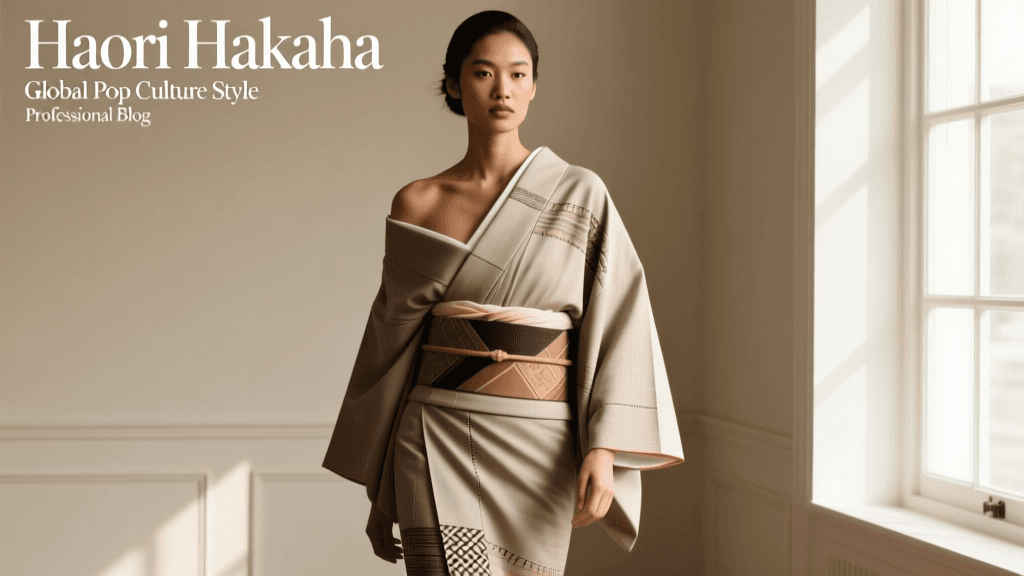
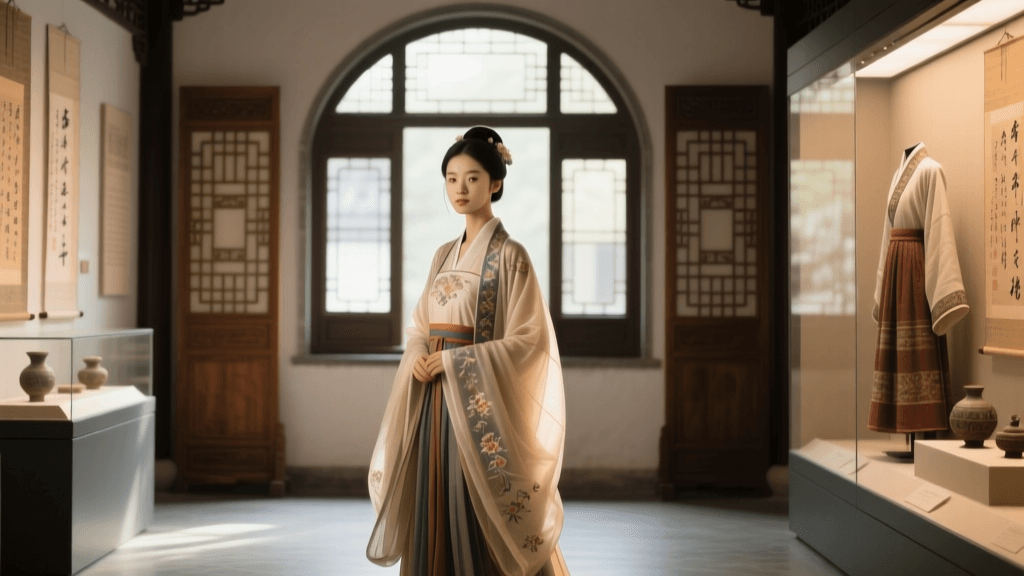
Sen no Rikyu's Wabi-Sabi Legacy in Tea Ceremony Kimono
The Historical Shift: From Ostentation to Wabi-Sabi
In the vibrant and turbulent landscape of 16th-century Japan, the Azuchi-Momoyama period was defined by the flamboyant tastes of warlords like Toyotomi Hideyoshi, who famously commissioned a portable tea room crafted entirely from gold leaf. Yet, it was his tea master, Sen no Rikyu (1522–1591), who would ultimately forge the enduring aesthetic soul of the Japanese tea ceremony (chanoyu). Rikyu vehemently rejected the ostentatious display of wealth, championing instead the philosophy of wabi-sabi—a profound appreciation for rustic simplicity, natural imperfection, and quiet elegance. This philosophical divergence did not merely influence the architecture of the tea room (chashitsu) or the design of the tea bowls; it fundamentally rewrote the rules of Japanese garment traditions, leaving a legacy that dictates tea ceremony fashion to this day.
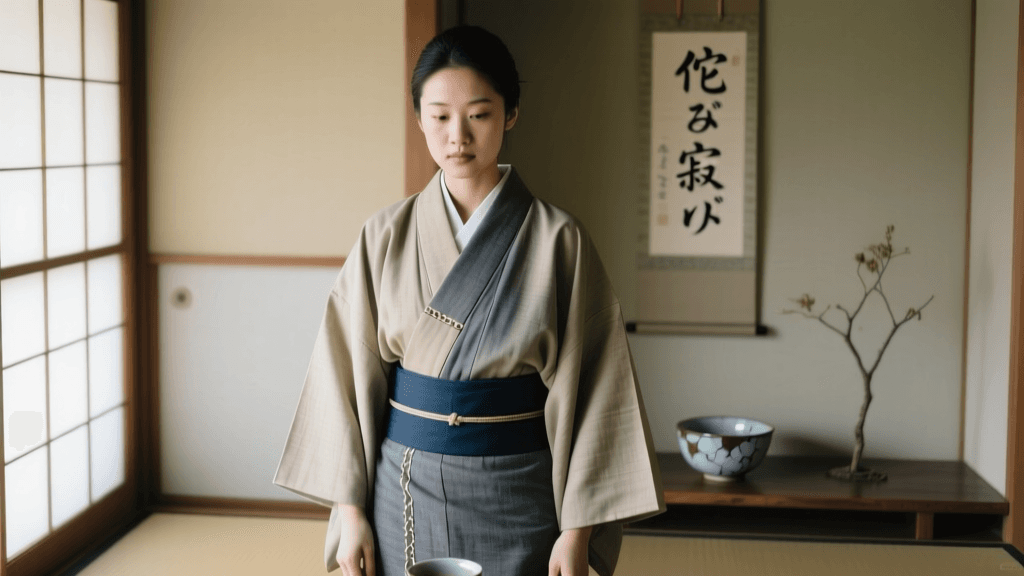
According to the Metropolitan Museum of Art, Rikyu's codification of the tea ceremony integrated Zen Buddhist principles into everyday practices, elevating the mundane to the spiritual. For the modern practitioner of Japanese traditions, understanding Rikyu’s sartorial legacy is essential. The garments worn in the tea room are not merely clothing; they are an extension of the host's respect for the guest and the season. The wabi-sabi aesthetic demands that the wearer's kimono harmonizes with the subdued, earthy tones of the tea room's mud walls, tatami mats, and natural wood pillars, ensuring the human element never overshadows the spiritual atmosphere of the gathering.
Core Principles of Tea Ceremony Fashion
The Rejection of Flashy Brocades
During Rikyu’s time, the elite favored nishiki (heavy silk brocades) and kara-ori (Chinese-style woven silks) featuring large, metallic threads and bold, contrasting colors. Rikyu steered his disciples away from these flashy textiles. Instead, he elevated the status of humble, rustic fabrics traditionally worn by monks, farmers, and rural artisans. Textiles like tsumugi (silk pongee) and jofu (high-quality hemp or ramie) became the gold standard for tea practitioners. These fabrics possess a matte finish, a slightly uneven texture, and a muted color palette that embodies the essence of wabi.
Color Palette and Seasonal Awareness
The color palette of a tea ceremony kimono is strictly governed by the principles of subtlety and seasonal alignment. Bright, saturated colors like vivid crimson, pure white (which is reserved for specific Shinto rituals or bridal wear), and stark black are generally avoided in the tea room. Instead, practitioners favor earth tones: moss green, charcoal gray, muted indigo, soft ochre, and dusty plum.
Furthermore, the concept of iki (chic, understated refinement) plays a vital role in color selection. A master tea practitioner might pair a muted gray tsumugi kimono with a deep burgundy obi, creating a contrast that is striking yet entirely grounded. The lining of the kimono (hakkake) might feature a hidden flash of autumn maple red, visible only when the wearer kneels and the hem shifts slightly. This interplay of hidden beauty and outward restraint is the very essence of Rikyu's teachings.
Seasonality, a cornerstone of all Japanese garment traditions, is expressed not through loud, obvious motifs, but through subtle, understated elegance. A kimono worn in early spring might feature a faint, woven pattern of plum blossoms (ume) visible only upon close inspection, while an autumn garment might utilize a subdued palette of rust and brown to evoke falling leaves. The Victoria and Albert Museum notes that the aesthetic of the tea ceremony relies heavily on this deep, almost poetic connection to the natural world and its fleeting seasons, a concept known as mono no aware.
Actionable Guide: Selecting Your Tea Ceremony Kimono
For students of the tea ceremony (chamei) and enthusiasts of traditional Japanese garments, building a wardrobe that respects Rikyu’s legacy requires careful consideration of fabric, form, and function. The physical movements of the tea ceremony—kneeling (seiza), bowing, and the precise, sweeping motions of whisking matcha—require garments that allow for mobility while maintaining a pristine, structured silhouette.
Fabric Comparison Chart for Tea Practitioners
| Fabric Type | Material & Texture | Best Season | Estimated Cost (USD) | Care & Maintenance |
|---|---|---|---|---|
| Tsumugi | Silk pongee; matte, nubby, rustic texture | Autumn, Winter, Spring | $300 - $1,500+ | Dry clean only; highly durable, resists wrinkling |
| Jofu | Hemp/Ramie; crisp, breathable, slubbed | Summer (June - August) | $200 - $800 | Can be gently hand-washed; dries quickly, stiffens naturally |
| Ro | Silk gauze; sheer, leno-weave, lightweight | High Summer (July - August) | $150 - $600 | Professional cleaning; delicate, prone to snagging |
| Chirimen | Silk crepe; textured, matte, drapes heavily | Spring & Autumn | $250 - $1,000 | Dry clean only; prone to shrinking if exposed to water |
The Crucial Role of the Obi
The obi (sash) is the anchor of the kimono ensemble. For tea ceremony, the Nagoya obi is the undisputed standard for most practitioners. Invented in the 1920s for ease of dressing, the Nagoya obi is typically 12 inches (30 cm) wide and 144 inches (360 cm) long. It is pre-folded and stitched, allowing the wearer to tie the taiko musubi (drum knot) quickly and neatly.
In accordance with wabi-sabi principles, tea ceremony obi should avoid heavy metallic threads (kinran or ginran). Instead, look for hakata-ori (ribbed silk from Fukuoka) or subdued brocades with matte finishes. The obi-jime (decorative cord) should be a thin, braided silk cord in a complementary, muted tone, and the obi-age (silk scarf tucked above the obi) should be barely visible—just a subtle hint of color peeking out, reflecting the understated elegance Rikyu championed.
Practical Advice for Modern Practitioners
Budgeting and Sourcing
Outfitting oneself for the tea ceremony does not require the budget of a feudal lord. In fact, Rikyu would likely frown upon exorbitant spending on garments. The modern vintage kimono market is a treasure trove for tea practitioners. High-quality, vintage tsumugi kimono from renowned weaving centers like Yuki or Oshima can be found in excellent condition for $200 to $500 at specialized online retailers or antique markets in Kyoto and Tokyo.
When purchasing, always measure your yuki (the distance from the center of the back of the neck to the wrist). A standard modern kimono has a yuki of about 25 to 26 inches (63-66 cm). Because tea ceremony involves extensive arm movements when handling the tea bowl and utensils, ensure the sleeves are long enough to cover the wrists when the arms are extended, preventing the bare skin from touching the sacred tea implements.
For those just beginning their journey into chado (the way of tea), many local tea schools and cultural centers offer rental services or 'starter kits' that include a basic komon (fine-patterned) kimono, a standard Nagoya obi, and the necessary accessories for around $50 to $100 per session. This allows students to focus on the rigorous physical movements and etiquette of the ceremony without the immediate financial burden of purchasing a full, high-quality silk ensemble.
Strict Etiquette and Dress Code Rules
Beyond the kimono itself, the accessories are governed by strict, non-negotiable rules rooted in centuries of tradition:
- Tabi (Split-toe socks): Must be pristine, pure white cotton. No patterns, no synthetic sheen. They must be freshly washed and ironed for every single gathering. A standard size for women is 23.5 cm, and for men, 25.0 cm to 27.0 cm.
- Zori (Sandals): When walking outside the tea room, wear subdued zori with dark or neutral straps. However, zori are never worn inside the tea room or the waiting area; one must step out of them at the threshold.
- Jewelry and Fragrance: All jewelry, including wedding rings and watches, must be removed before entering the tea room to prevent scratching the priceless tea bowls. Furthermore, strong perfumes or scented lotions are strictly forbidden, as they interfere with the delicate, earthy aroma of the koicha (thick tea) and the incense burned in the hearth.
- Nails and Makeup: Fingernails must be kept short and entirely free of polish. Makeup should be minimal and natural, adhering to the modest, unpretentious spirit of the gathering.
Conclusion: Wearing the Philosophy
Sen no Rikyu’s legacy is not confined to the history books or the museum archives; it is a living, breathing practice worn on the bodies of modern tea practitioners. By choosing a subdued tsumugi kimono, tying a modest Nagoya obi, and stepping into pristine white tabi, the wearer actively participates in a 400-year-old rebellion against superficiality. The fashion of the tea ceremony teaches us that true elegance lies in restraint, that beauty is found in the imperfect and the rustic, and that the garments we choose can profoundly shape the spiritual atmosphere of the spaces we inhabit. As you curate your own collection of traditional Japanese garments, let the quiet wisdom of wabi-sabi guide your selections, ensuring that your attire honors the profound depth of Asian traditions.