Best Hanfu Styles For Tai Chi And Qigong Practice In 2026
The Intersection of Mindful Movement and Traditional Garments
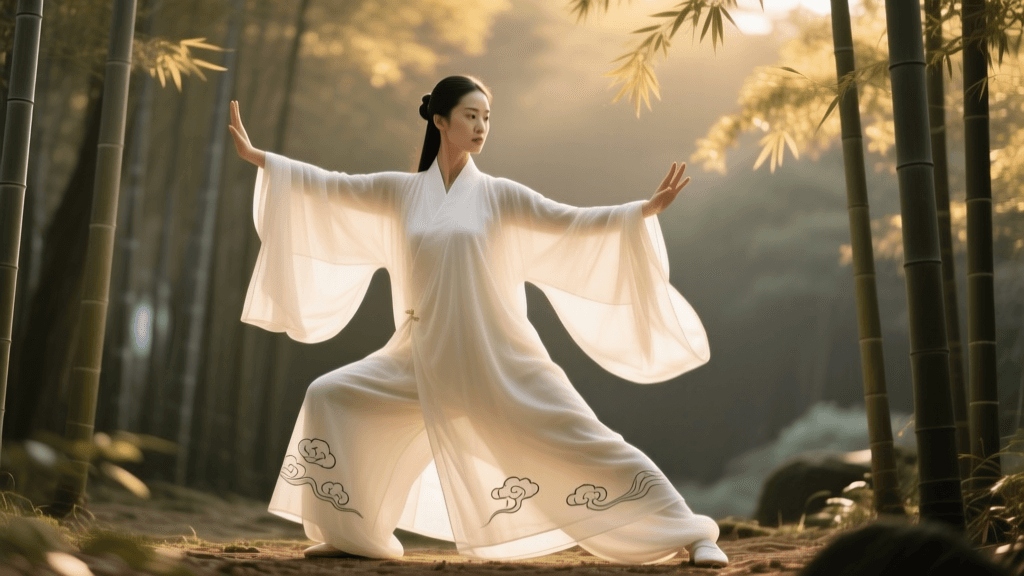
In 2026, the global wellness community has witnessed a profound shift toward holistic practices that honor both the mind and the body's connection to cultural heritage. For practitioners of Tai Chi and Qigong, the clothing worn during practice is no longer viewed merely as athletic wear, but as an extension of the practice itself. The traditional Chinese concept of Wei Qi (defensive energy) suggests that the skin's microclimate must be protected and allowed to breathe. Consequently, modern practitioners are increasingly turning to authentic Hanfu—specifically tailored for movement—to facilitate the unhindered flow of energy, or Qi.
According to Harvard Health Publishing, Tai Chi is often described as 'medication in motion,' requiring fluid, unrestricted physical engagement that gently stretches the fascia and promotes cardiovascular health. To achieve these benefits, the garments worn must move seamlessly with the body. This guide explores the best Hanfu styles, fabric innovations, and bespoke tailoring adjustments for Tai Chi and Qigong practice in 2026.
Why Ceremonial Hanfu Fails for Internal Martial Arts
While the resurgence of Hanfu over the last decade has brought breathtaking ceremonial garments like the Mamianqun (horse-face skirt) and heavy brocade Aoqun into mainstream fashion, these styles are fundamentally unsuited for internal martial arts. Ceremonial Hanfu is designed for structural elegance, upright posture, and deliberate, measured walking. The weight of the fabrics and the restrictive nature of the layered waistbands can impede the deep inginal fold (Kua) required for low Tai Chi stances, such as the Horse Stance (Ma Bu) or the Snake Creeps Down (Xia Shi).
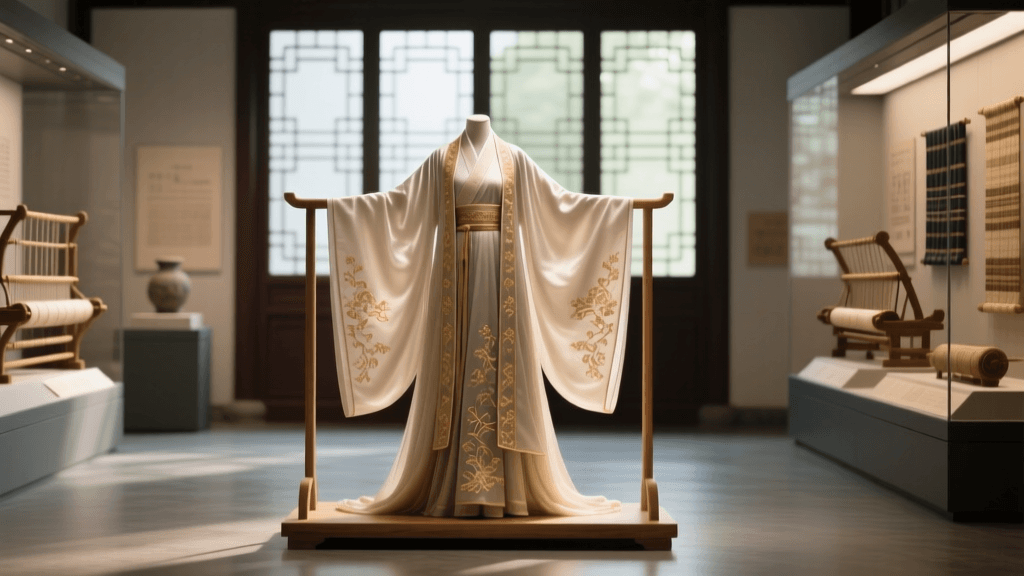
Instead, practitioners in 2026 are looking to historical active wear. The two primary garments favored for wellness practices are the Yeyi (traditional martial/active wear characterized by narrower sleeves and trousers) and the Daopao (the flowing Taoist robe). The Metropolitan Museum of Art notes that traditional Chinese dress historically evolved to accommodate the philosophical ideals of harmony between the body and the natural world, a principle perfectly embodied by the sweeping, unrestrictive lines of the Daopao when adapted for modern Qigong.
Top Fabric Innovations for Wellness Hanfu in 2026
The choice of fabric is paramount in Qigong, where standing meditation (Zhan Zhuang) can induce deep, internal sweating while the exterior body remains cool. Synthetic athletic fabrics trap heat and disrupt the body's natural thermoregulation. In 2026, three natural textiles dominate the wellness Hanfu market:
1. Modernized Xiangyunsha (Gambiered Canton Gauze)
Historically reserved for royalty and wealthy merchants, Xiangyunsha is dyed using yam juice and river mud, giving it a unique, paper-like rustle and exceptional cooling properties. In 2026, textile innovators have introduced lightweight, porous weaves of Xiangyunsha specifically for active wear. Its natural antimicrobial properties make it ideal for daily Qigong practice, as it resists odor buildup even after intense summer sessions.
2. Raw Silk (Shengchou)
Unlike the slippery, refined silk used in evening wear, Shengchou retains its natural sericin protein coating. This gives the fabric a subtle texture that grips the skin lightly, preventing the garment from sliding out of place during complex arm movements like 'Cloud Hands' (Yun Shou). Raw silk is highly breathable and provides excellent UV protection for outdoor morning Tai Chi sessions.
3. Xia Bu (Summer Hemp-Linen Blends)
For practitioners who prefer a more structured drape, Xia Bu offers incredible durability and moisture-wicking capabilities. Modern 2026 processing techniques have eliminated the historical itchiness of raw hemp, resulting in a fabric that softens with every wash while maintaining the structural integrity needed to keep the garment away from the skin, promoting air circulation.
Essential Tailoring Adjustments for Deep Stances
Off-the-rack Hanfu is typically tailored for static posing or casual walking. To transform a Daopao or Yeyi into a functional Qigong garment, specific biomechanical adjustments must be made by your tailor. The Mayo Clinic highlights that the deep, slow movements of Tai Chi improve balance and reduce stress, which is only possible if the practitioner's clothing does not bind the joints.
- Shoulder Span Expansion: Add 3 to 4 centimeters to the standard back shoulder measurement. This prevents the collar from pulling backward when the arms are extended forward or raised above the head.
- Armhole Lowering: The underarm seam should be dropped by 2 centimeters and gusseted. This allows for full rotation of the shoulder girdle without the entire torso of the robe lifting upward.
- Side Slit (Kaicha) Placement: For robes like the Daopao, the side slits must begin exactly at the greater trochanter (the bony prominence of the upper thigh). If the slit is too high, the robe lacks modesty during wide stances; if too low, it binds the knees during transitions.
- Sleeve Tapering: While ceremonial Hanfu features massive, floor-sweeping sleeves, active Hanfu utilizes the 'arrow sleeve' or a moderately tapered straight sleeve that ends precisely at the wrist bone, ensuring the hands remain visible and unobstructed for energy projection (Fajin).
2026 Active Hanfu Comparison Chart
To help you select the right garment for your specific discipline, refer to the comparison table below detailing the top choices for wellness practitioners this year.
| Garment Style | Best Practice | Recommended 2026 Fabric | Avg. Custom Price (USD) |
|---|---|---|---|
| Daopao (Taoist Robe) | Slow Tai Chi / Zhan Zhuang | Mid-weight Raw Silk (Shengchou) | $180 - $260 |
| Yeyi (Martial Tunic & Trousers) | Dynamic Qigong / Ba Duan Jin | Hemp-Linen Blend (Xia Bu) | $120 - $170 |
| Modified Songku (Wide Trousers) | Low Stance Tai Chi / Chen Style | Lightweight Xiangyunsha | $140 - $200 |
| Duan Da (Short Jacket) | Summer Outdoor Practice | Organic Ramie | $80 - $110 |
Footwear: Grounding and Stability
No traditional wellness outfit is complete without proper footwear. In 2026, the traditional cloth shoe (Bu Xie) has been upgraded with ergonomic cork and natural latex insoles. Traditional Tai Chi requires the practitioner to 'root' into the ground, feeling the earth through the Yongquan (Kidney 1) acupressure point on the sole of the foot. Thick, modern running shoes disconnect the practitioner from this sensory feedback. Modern artisan cobblers now offer hand-stitched cotton uppers with zero-drop, flexible cork soles that provide the necessary grounding while offering adequate arch support for aging practitioners.
Care and Maintenance of Wellness Hanfu
Because Qigong garments are exposed to sweat and outdoor elements, proper maintenance is crucial to preserve the integrity of natural fibers. Never use alkaline detergents on Xiangyunsha or raw silk, as they strip the natural proteins and mud-dye coatings. In 2026, specialized bio-enzyme silk washes are widely available and should be used for cold-water hand washing. Always dry your garments in the shade; direct sunlight will degrade the hemp fibers and fade the rich, earthy tones of the gambiered gauze.
Conclusion
Embracing Hanfu for Tai Chi and Qigong is more than an aesthetic choice; it is a commitment to the holistic philosophy of traditional Chinese wellness. By selecting the appropriate garment style, investing in breathable, natural 2026 textiles, and utilizing precise tailoring adjustments, practitioners can remove physical barriers to their practice. The result is a seamless union of mind, body, and heritage, allowing the Qi to flow as freely as the silk that drapes the form.