Seasonal Hanfu Guide: Fabrics and Styles for China's Climates
Introduction to Hanfu and China's Diverse Climates
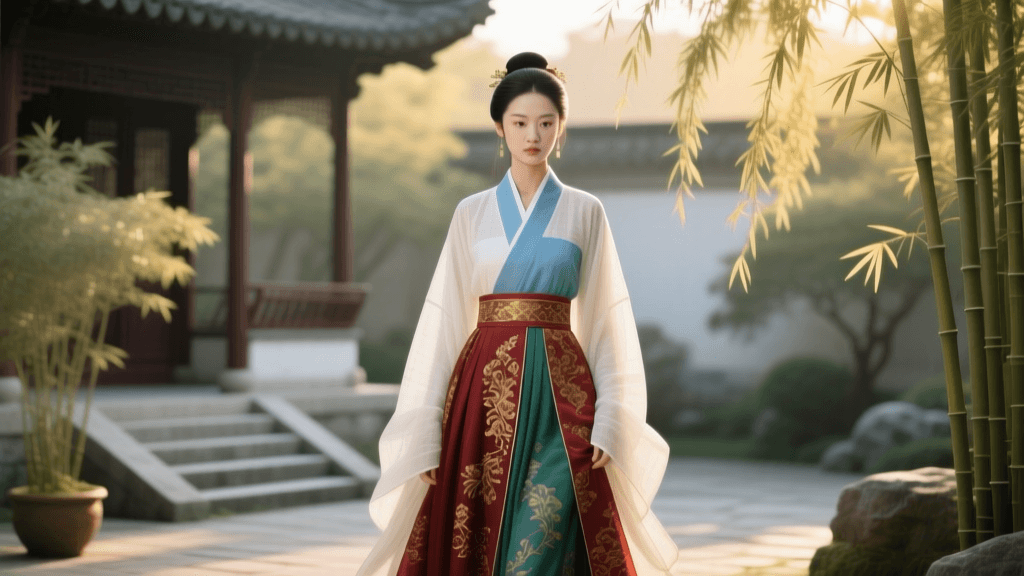
The modern Hanfu revival is not merely a sartorial movement; it is a profound reconnection with thousands of years of Chinese textile history, philosophy, and craftsmanship. However, China’s vast geographical expanse encompasses everything from the subarctic, bone-chilling winters of Harbin in the north to the tropical, sweltering humidity of Hainan in the south. For contemporary enthusiasts and historians alike, understanding how to adapt traditional garments to these diverse climate zones is essential. The ancient Chinese philosophy of Tian Ren He Yi (Heaven and Humanity as One) dictates that clothing must breathe with the seasons, utilizing the earth's natural fibers to maintain physical comfort and environmental harmony.
Historically, the Chinese wardrobe was strictly regulated by the lunar calendar and seasonal shifts, with specific fabrics, colors, and layering techniques designated for different times of the year. Today, selecting the right Hanfu requires a nuanced understanding of fabric weights, weave structures, and historical layering methods. This comprehensive guide explores the seasonal evolution of Hanfu fabrics and styles, providing actionable advice for navigating China's varied climates while maintaining historical authenticity and modern comfort.
Spring: Transitional Elegance and Breathable Layers
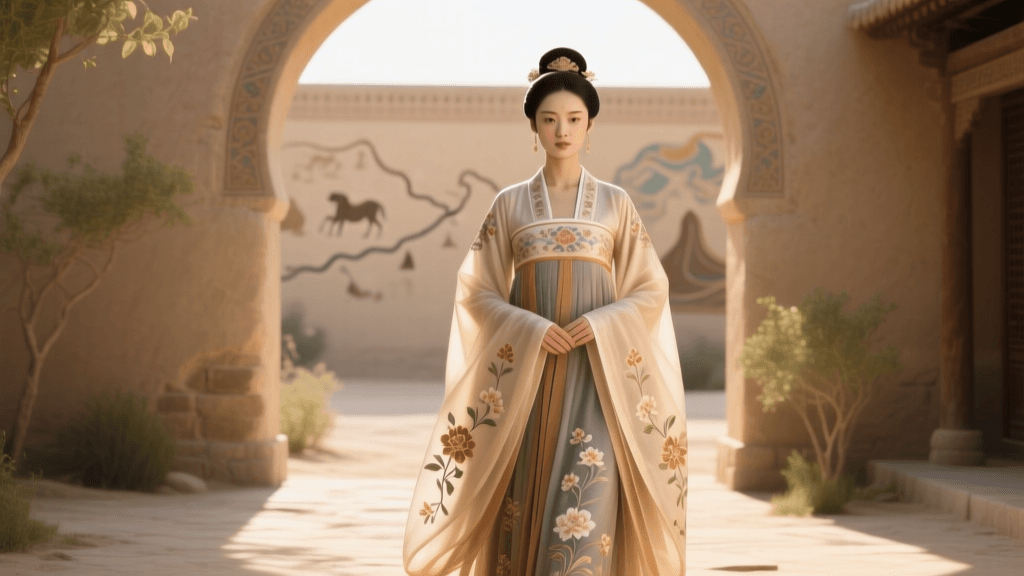
Spring in China, particularly across the Yangtze River Basin and the Jiangnan region, is characterized by fluctuating temperatures, high humidity, and frequent drizzle. The key to spring Hanfu is transitional layering—garments that can be easily added or removed as the day warms up.
Recommended Fabrics: The ideal spring fabrics include 12 to 16 momme mulberry silk, silk-cotton blends, and high-quality lightweight chiffon. These materials offer a gentle drape that catches the spring breeze without causing overheating. According to historical textile records, silk has long been prized for its natural temperature-regulating properties, making it perfect for the unpredictable weather of early spring.
Recommended Styles: The Beizi (a long, open-front jacket) worn over a lightweight Ruqun (blouse and skirt ensemble) is the quintessential spring outfit. The Beizi provides an extra layer of warmth during chilly mornings but can be easily slipped off by midday. For late spring, the Qixiong Ruqun (chest-high skirt) made from flowing silk organza offers an ethereal silhouette that complements the blooming landscapes of regions like Hangzhou and Suzhou.
Summer: Beating the Heat with Ancient Cooling Fabrics
Summers in southern and central China are notoriously hot and humid, with temperatures frequently exceeding 35°C (95°F) alongside oppressive moisture. Wearing heavy, multi-layered traditional garments in these conditions is impractical. Fortunately, ancient Chinese weavers developed specialized summer textiles designed specifically for extreme heat dissipation.
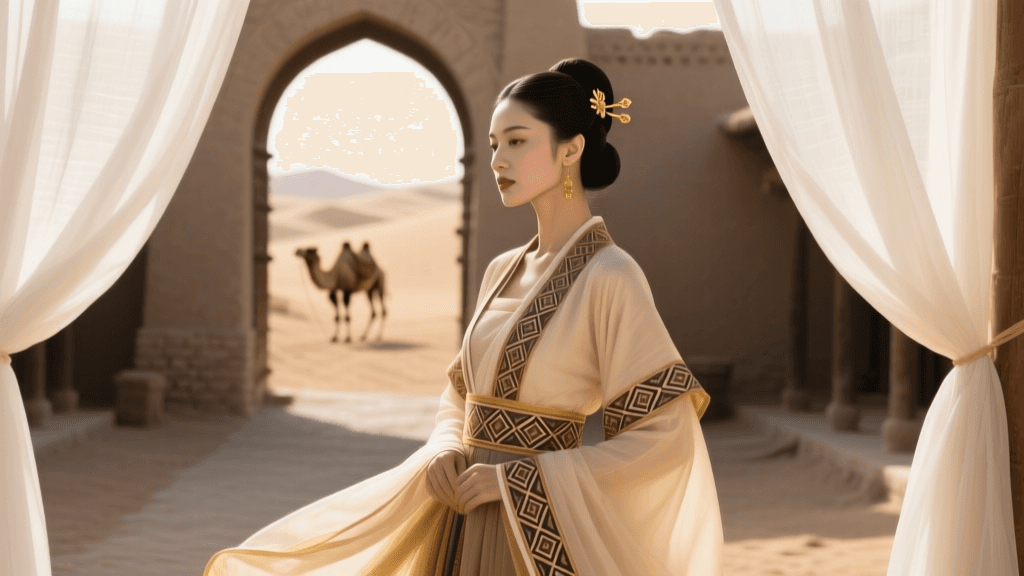
Recommended Fabrics: The undisputed king of summer Hanfu is Xia Bu, a traditional summer cloth woven from ramie fiber. Ramie is highly breathable, naturally resistant to bacteria, and possesses a crisp texture that keeps the fabric away from the skin, promoting air circulation. Another luxurious summer option is Xiangyunsha (Gambiered Canton Gauze). This intangible heritage fabric from Guangdong is dyed with the juice of the Dioscorea cirrhosa plant and coated with iron-rich river mud, resulting in a cool, rustling silk that feels remarkably refreshing against the skin.
Recommended Styles: Opt for the Song Dynasty Danru (a sheer, lightweight outer blouse) paired with a Moxiong (a traditional tube-top undergarment). The structural minimalism of Song Dynasty summer wear allows for maximum ventilation. For men and women alike, a sheer Dahu (sleeveless vest) worn over a light linen inner layer provides a dignified, historically accurate silhouette without the burden of heavy sleeves.
Autumn: The Golden Season of Layering
Autumn brings crisp air, dramatic temperature drops between day and night, and the iconic golden foliage of northern China. This season is celebrated in Chinese poetry and art, and the clothing reflects a shift toward richer textures, deeper colors, and structured layering.
Recommended Fabrics: Transition to mid-weight silks, jacquard weaves, and light wool-blend textiles. Jacquard fabrics, with their raised, intricate patterns, add visual weight and physical insulation. The structural integrity of heavier fabrics is crucial for garments that require sharp pleats and defined collars.
Recommended Styles: The Ming Dynasty Aoqun (a lined or padded top worn with a skirt) is the ultimate autumn ensemble. Specifically, the Mamianqun (horse-face skirt) shines in autumn. The heavy jacquard or wool-blend fabrics used for the Mamianqun allow its signature side pleats to drape beautifully and swing elegantly in the autumn wind without tangling. Pair this with a Pifeng (a long, sleeveless cape) to protect the shoulders and back from sudden cold snaps.
Winter: Insulation and Opulence in Cold Climates
Winter in northern China, particularly in Beijing, Xi'an, and further north, is brutally cold and dry, with temperatures often plunging well below freezing. Traditional winter Hanfu relies on opulent, heavy fabrics, strategic padding, and the integration of fur or faux-fur trims to trap body heat.
Recommended Fabrics: Winter demands heavy brocade (Zhuanghua), velvet, thick wool, and padded cotton. Brocade, woven with metallic threads and dense silk, acts as an excellent windbreaker. Historically, the elite lined their winter garments with rabbit, fox, or sable fur. Today, high-quality faux-fur trims on collars and cuffs provide the same aesthetic and functional warmth ethically.
Recommended Styles: The padded Ao (jacket) is essential. Modern Hanfu makers often quilt the interior of the Ao with cotton wadding or modern thermal insulators. A Bixia (cloud shoulder) made of thick, embroidered velvet can be worn over the shoulders to protect the vital meridian points from the cold. For outerwear, the Doupeng (a hooded, sleeveless cloak) lined with plush fleece or faux-fur is both historically evocative and highly practical for traversing snowy courtyards.
Comparative Guide: Hanfu Fabrics by Season and Region
To assist in building a versatile, climate-appropriate Hanfu wardrobe, refer to the structured comparison table below. This guide factors in historical accuracy, modern availability, and regional climate suitability.
| Season | Primary Fabric | Recommended Style | Ideal Climate Region | Est. Cost (USD) |
|---|---|---|---|---|
| Spring | 16 Momme Mulberry Silk | Beizi over Ruqun | Yangtze River Basin | $60 - $120 |
| Summer | Ramie (Xia Bu) / Xiangyunsha | Song Danru & Moxiong | Southern / Coastal China | $80 - $300+ |
| Autumn | Silk Jacquard / Wool Blends | Ming Aoqun & Mamianqun | Central / Northern China | $100 - $180 |
| Winter | Heavy Brocade / Padded Cotton | Padded Ao & Doupeng | Northeast / Northwestern China | $150 - $400+ |
Modern Thermal Integration: Bridging History and Comfort
One of the greatest challenges for modern Hanfu wearers in cold climates is maintaining the traditional silhouette while surviving freezing temperatures. Fortunately, the voluminous nature of many Hanfu styles, particularly the Ming Dynasty Ao and the wide sleeves of the Tang Dynasty, allows for the discreet integration of modern thermal wear.
For winter wear, form-fitting modern thermal base layers (such as merino wool or synthetic heat-retaining fabrics) can be worn beneath the inner Zhongyi (undergarment). Because the outer Ao is cut with a generous sleeve root width (typically 25 to 30 cm) and a relaxed fit through the torso, bulky modern sweaters can easily be concealed underneath without distorting the historical drape of the garment. For the lower body, wearing thick, fleece-lined tights beneath a Mamianqun is a standard practice among modern enthusiasts in cities like Beijing and Seoul, ensuring warmth without compromising the elegant, sweeping lines of the skirt.
Sourcing, Tailoring, and Garment Care
Investing in seasonal Hanfu requires an understanding of proper garment care, particularly for delicate, heritage-level fabrics. As noted by conservation experts at institutions like the Victoria and Albert Museum, natural protein and cellulose fibers require specific environmental controls to prevent degradation.
- Caring for Xiangyunsha: This gambiered silk is highly sensitive to alkaline substances. Never wash Xiangyunsha with standard laundry detergents or soap, as the alkalinity will strip the river mud coating and ruin the fabric. Instead, gently hand wash in cool water with a pH-neutral silk cleanser and dry in the shade.
- Maintaining Ramie: Ramie becomes softer with repeated washing but is prone to hard creasing. Always hang ramie garments on wide, padded hangers and avoid folding them for long-term storage to prevent the fibers from snapping along the crease lines.
- Storing Brocade and Padded Ao: Heavy winter brocades should be stored flat or rolled in acid-free tissue paper. Hanging heavy, padded garments for extended periods can stress the shoulder seams and distort the structural integrity of the traditional flat-cut tailoring.
Conclusion
Dressing in Hanfu is an immersive experience that connects the wearer to the rhythms of the natural world. By thoughtfully selecting fabrics like breathable summer ramie, transitional spring silks, and insulating winter brocades, enthusiasts can honor the ingenuity of ancient Chinese weavers. Understanding the intersection of traditional styles and China's diverse climates ensures that the Hanfu revival remains not just a visual spectacle, but a living, breathing, and highly functional wardrobe for the modern world.