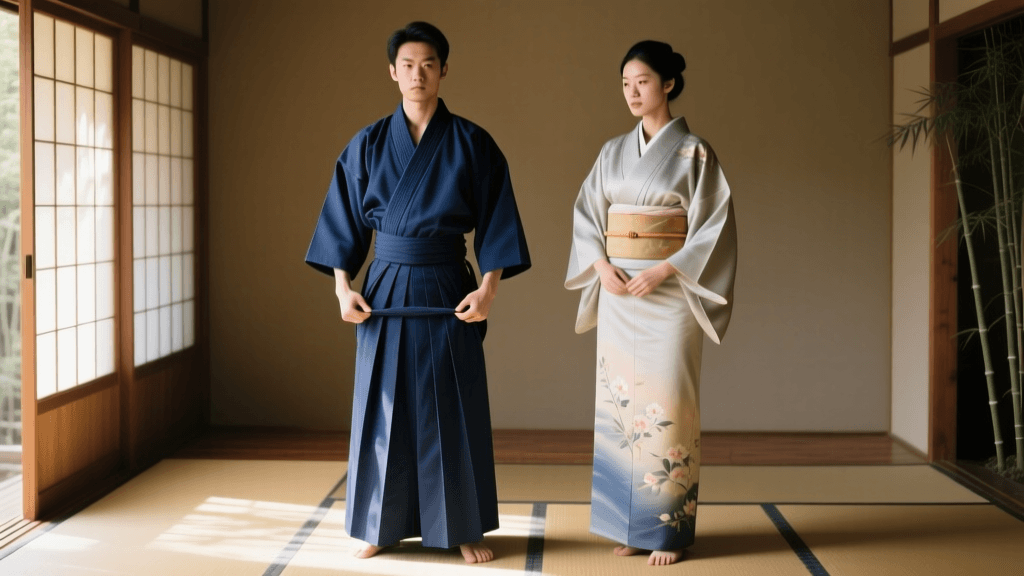
From Screen to Street: Styling Authentic Japanese Haori
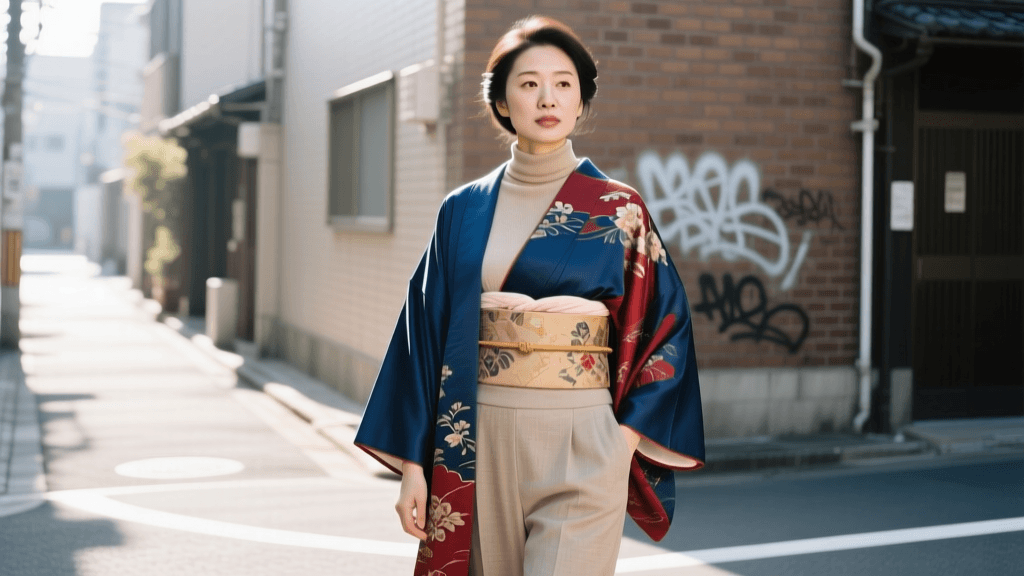
The intersection of traditional Japanese garments and global pop culture has created a fascinating sartorial renaissance. Over the past two decades, the haori (a traditional Japanese hip- or thigh-length jacket) and the kimono have transcended their historical boundaries, moving from the quiet streets of Kyoto to the vibrant runways of Paris and the everyday streetwear of New York. Driven by the explosive global popularity of anime, manga, and Hollywood cinema, Western audiences are no longer just observing Japanese fashion; they are actively integrating it into their daily wardrobes. However, transitioning from screen-accurate cosplay to authentic, respectful, and stylish everyday wear requires a deep understanding of garment construction, sourcing, and modern styling techniques.
The Pop Culture Catalyst: Anime, Cinema, and the Haori Renaissance
The global fascination with the T-shaped silhouette of Japanese garments is not entirely new, but its modern iteration is heavily indebted to contemporary media. Blockbuster films like Kill Bill and Memoirs of a Geisha introduced the dramatic, sweeping lines of traditional Japanese dress to Western audiences, often emphasizing the garment's association with martial prowess or high artistry. More recently, the anime phenomenon Demon Slayer: Kimetsu no Yaiba has sparked a massive surge in demand for checkered and geometrically patterned haori, mirroring the iconic jacket worn by the protagonist, Tanjiro Kamado. Similarly, the flowing, open-front cloaks seen in Naruto and Bleach draw direct visual lineage from the happi and haori.
This cross-cultural pollination was meticulously documented by the Victoria and Albert Museum in their landmark exhibition, Kimono: Kyoto to Catwalk. The exhibition highlighted how the kimono and its outer layers have historically absorbed foreign influences while simultaneously shaping global fashion. Today, this exchange is accelerated by digital media, allowing global streetwear enthusiasts to adopt the haori not as a costume, but as a versatile, structural layering piece that bridges heritage and modern avant-garde aesthetics.
Screen-Accurate Replicas vs. Authentic Vintage: A Buyer’s Guide
For fans looking to incorporate these garments into their wardrobes, the first critical decision is choosing between modern pop-culture replicas and authentic vintage pieces. While replicas offer immediate screen-accuracy, vintage garments provide unparalleled craftsmanship, material quality, and historical weight.
| Feature | Pop-Culture Replica (Cosplay/Anime Merch) | Authentic Vintage Haori (Mid-20th Century) |
|---|---|---|
| Material | Polyester blends, synthetic brocade, cotton twill | 100% Silk (Chirimen, Rinzu, or Tsumugi), silk lining |
| Construction | Machine-stitched, single-layer, standard Western sizing | Hand-stitched seams, reversible lining, straight-line cutting |
| Cost (USD) | $45 – $120 | $40 – $180 (via Japanese proxy auctions) |
| Drape & Fit | Stiff, boxy, designed for specific costumes | Fluid, heavy drape, inherently gender-neutral and oversized |
| Longevity | 2–5 years (synthetic degradation, seam tearing) | 50+ years (if stored properly away from moisture and light) |
The Sizing Matrix: How to Measure for a Traditional Haori
Unlike Western clothing, traditional Japanese garments are not sized by Small, Medium, or Large. They are constructed from straight bolts of fabric, meaning the fit is inherently forgiving and adjustable. However, to achieve the perfect streetwear silhouette, you must understand three critical measurements:
- Katahaba (Shoulder Width): Measured from the center back seam to the edge of the sleeve. For a modern, relaxed streetwear fit, aim for a katahaba that extends 2 to 4 inches past your natural shoulder line. A measurement of 24–26 inches (60–66 cm) works well for most average builds seeking an oversized drape.
- Yuki (Sleeve Length): Measured from the center back of the neck, across the shoulder, and down to the wrist. A standard vintage haori yuki is around 30–32 inches (76–81 cm). The sleeves should end around the mid-forearm or wrist, allowing the inner lining to peek out when your arms are in motion.
- Mitake (Back Length): Measured from the base of the collar down the center back to the hem. For a jacket-style haori meant to be worn over jeans or trousers, look for a mitake between 30 and 34 inches (76–86 cm). This ensures the hem rests comfortably around the mid-thigh, mimicking the proportions of a modern trench coat or longline cardigan.
Sourcing Authentic Pieces: Platforms, Proxies, and Pricing
The most cost-effective way to acquire authentic vintage haori is through Japanese domestic markets. Because the domestic demand for vintage silk has waned among younger Japanese demographics, secondhand markets are flooded with pristine, mid-Showa era (1950s–1980s) garments at remarkably low prices.
To access these, international buyers use proxy services like Buyee, ZenMarket, or Neokyo to bid on Yahoo Auctions Japan or purchase from Mercari Japan. When budgeting, factor in the item cost (often as low as $15–$40 for unbranded silk haori), a 10-15% proxy service fee, domestic shipping to the proxy warehouse ($5–$10), and international EMS or DHL shipping ($25–$45 depending on weight). A heavy, winter-weight kurotomesode or lined silk haori can weigh over 1kg, pushing shipping costs higher, so always check the listed weight before bidding.
Modern Streetwear Integration: Styling the Haori Globally
Integrating a traditional garment into a modern wardrobe requires balancing proportions and textures. The structural evolution of the T-shaped garment, as noted in The Metropolitan Museum of Art’s Heilbrunn Timeline of Art History, relies on the interplay between the rigid, straight-line cut of the fabric and the fluid movement of the human body. To honor this while remaining contemporary, consider the following styling frameworks:
1. The High-Low Contrast (Silk and Selvedge)
Pair a dark, subdued komon (repeating pattern) silk haori with raw, heavyweight selvedge denim and a crisp white heavyweight cotton t-shirt. The contrast between the fluid, centuries-old silk and the rigid, utilitarian denim creates a striking visual tension. Finish the look with chunky leather loafers or minimalist white sneakers to ground the outfit in contemporary streetwear.
2. The Winter Layering Technique
Because haori lack traditional closures (they are held open or tied with a simple braided haori himo cord), they are perfect for layering. During autumn and winter, wear a fitted merino wool turtleneck underneath. The high collar of the turtleneck frames the open V-neck of the haori beautifully. You can replace the traditional silk himo cord with a modern, thin leather belt tied loosely at the waist, or simply let the jacket hang open for a dramatic, cape-like silhouette.
3. Monochromatic Minimalism
For a more avant-garde, techwear-adjacent look, source a solid black or deep navy tsumugi (slubbed silk) haori. Tsumugi has a matte, textured finish that reads more like modern cotton or linen than shiny ceremonial silk. Wear this over wide-leg, pleated black trousers and tabi-inspired split-toe boots. This approach strips away the "costume" element and focuses purely on the architectural silhouette of the garment.
Preservation: Caring for Vintage Silk and Lining
Authentic vintage haori are investments that require specific care to ensure their longevity. Never machine wash or hand wash a vintage silk haori; the water will cause the silk fibers to shrink, warp, and lose their luster, while the inner lining may bleed dye onto the outer shell.
- Cleaning: Rely on professional dry cleaners who have explicit experience with vintage silk and traditional garments. Spot clean minor stains with a damp cloth and mild silk detergent, but avoid rubbing the fabric aggressively.
- Airing Out: After wearing, hang the haori in a well-ventilated, shaded area for 24 hours to allow body moisture and odors to dissipate. Never hang silk in direct sunlight, as UV rays will rapidly degrade the fibers and fade the dye.
- Storage: Store your haori folded in tatoushi (traditional acid-free paper sleeves) or unbleached cotton pillowcases. Avoid plastic garment bags, which trap moisture and encourage mold growth. Always use cedar blocks or lavender sachets to deter moths; never use chemical mothballs, as their harsh odors will permanently permeate the silk and the chemicals can cause yellowing.
Conclusion
The journey of the haori from traditional Japanese formalwear to a staple of global pop culture and streetwear is a testament to the garment's timeless design. By understanding the nuances of sizing, committing to authentic vintage sourcing, and styling the pieces with modern intentionality, fashion enthusiasts can respectfully and creatively integrate these masterpieces of textile art into their daily lives. Whether inspired by the dynamic animation of modern anime or the sweeping cinematography of Hollywood, the haori remains a powerful, wearable canvas that bridges the gap between historical tradition and contemporary self-expression.