Scottish Kilt Pleating & Tartan Sett Drafting Guide 2026
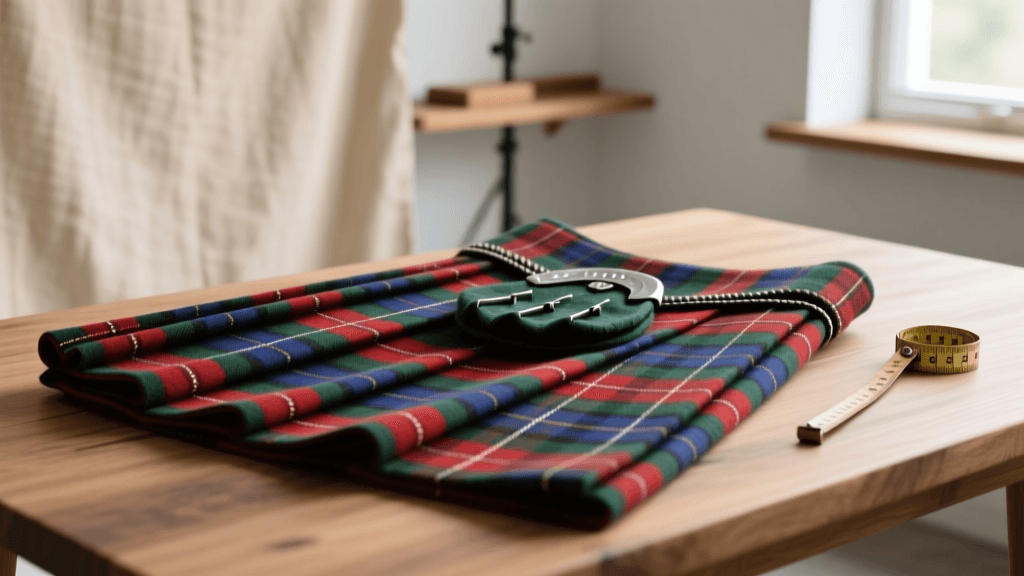
The traditional Scottish kilt is a masterpiece of geometric precision, textile engineering, and cultural heritage. Far from being a simple wrapped garment, a properly constructed kilt requires meticulous pattern drafting, an intimate understanding of tartan symmetry, and advanced hand-stitching techniques. As we move through 2026, the revival of heritage craftsmanship has led to a surge in bespoke kiltmaking, blending centuries-old Highland tailoring methods with modern sustainable materials and digital drafting tools. Whether you are an experienced tailor expanding into European folk dress or a dedicated enthusiast drafting your first garment, mastering the construction patterns of the Scottish kilt is a deeply rewarding endeavor.
The Anatomy of the Tartan Sett and Pattern Drafting
Before a single cut is made into the wool, the kiltmaker must thoroughly understand the tartan "sett." The sett is the repeating geometric pattern of colored stripes that run both vertically (warp) and horizontally (weft) through the cloth. According to the Scottish Register of Tartans, the official government database, every registered tartan has a specific thread count that dictates its exact proportions.
In 2026, while digital CAD software allows makers to visualize and map the sett with laser precision, traditional graph paper drafting remains the gold standard for understanding the physical drape of the fabric. To draft the pattern, you must first identify the "pivot points" of the sett—usually the center of a prominent stripe or a dominant color block. The goal of kilt construction is to ensure that the hidden folds of the pleats align perfectly so that the visible outer edge of every pleat recreates the exact sequence of the tartan sett across the back of the kilt.
Calculating Yardage and Pleat Mathematics
The most common misconception in modern kiltmaking is that a standard kilt always requires exactly eight yards of double-width fabric. In reality, the yardage is dictated by the wearer's hip measurement and the size of the tartan sett. A large sett (e.g., 12 inches) requires fewer pleats to span the hips than a small sett (e.g., 4 inches), but each pleat consumes more fabric. As of early 2026, premium 16oz worsted wool averages £55 to £75 per double-width meter, making accurate mathematical drafting essential to avoid costly material waste.
| Measurement Point | Description | 2026 Tailoring Standard |
|---|---|---|
| Waist | Measured at the natural navel, not the modern trouser waist. | Exact measurement + 1 inch for overlap. |
| Hips (Seat) | Measured around the widest part of the buttocks. | Crucial for calculating total pleat width. |
| Fell Length | Distance from the waist to the widest part of the hips. | Determines where pleats begin to taper and open. |
| Total Length | From the navel down to the middle of the kneecap. | Typically 22 to 24 inches for modern wear. |
Drafting the Apron and Fringe Construction
The front of the kilt consists of two overlapping panels known as the aprons. The under-apron is a flat panel that wraps from the left hip to the right. The over-apron wraps from the right hip to the left, finishing on the left hip. The right-hand edge of the over-apron is finished with a fringe. In traditional 2026 bespoke construction, this fringe is not a separate piece of fabric sewn on; it is created by cutting the warp threads of the wool fabric and carefully combing them out, then securing them with a tight, hidden overcast stitch to prevent unraveling. Modern makers often use specialized digital fringe gauges to ensure every single thread is cut to an exact, uniform length.
The Art of the Knife Pleat: Construction Techniques
The back of the kilt is constructed using knife pleats, where all folds face in the same direction (typically to the wearer's right). The construction of the pleat is where the true artistry of European folk dress shines. There are two primary methods of aligning the pleats, each offering a vastly different visual effect.
- Pleating to the Sett: The most common and traditional method. The fabric is folded so that the visible outer edge of each pleat perfectly mirrors the full repeating pattern of the tartan. This creates a seamless, continuous pattern across the back of the kilt, making the pleats nearly invisible when the wearer is standing still.
- Pleating to the Stripe: Often used for military and pipe band kilts. The kiltmaker selects a single, prominent vertical stripe in the tartan and centers it on the visible edge of every pleat. This creates a striking, bold, and repetitive vertical lined effect across the back, emphasizing the movement and swing of the garment.
Step-by-Step Pleat Folding and Basting
Constructing the pleats requires a heavy, flat tailoring board, steam, and immense patience. The process begins by marking the pivot points on the wrong side of the wool using tailor's chalk. The fabric is then folded, pinned, and pressed with a heavy clapper to set the wool fibers. Because 16oz wool has immense memory, the steam and pressure permanently lock the pleat into place. Once all pleats are folded, they are basted together with a temporary running stitch about two inches below the waistline to hold the geometry secure before the permanent fell stitching begins.
| Pleating Style | Visual Effect | Best Use Case | Fabric Consumption |
|---|---|---|---|
| Knife Pleat to Sett | Continuous, seamless tartan pattern. | Formal wear, traditional Highland dress. | High (requires precise sett matching). |
| Knife Pleat to Stripe | Bold, repetitive vertical lines. | Pipe bands, military regiments, dancers. | Moderate (easier to align single lines). |
| Box Pleat | Wide, structured, alternating folds. | Historical reenactment, 18th-century styles. | Very High (requires massive yardage). |
Sourcing Premium Materials in 2026
The foundation of a heritage kilt is the wool. While synthetic blends exist in the fast-fashion market, authentic kiltmakers in 2026 strictly utilize 100% pure new worsted wool, typically woven in the Scottish Borders or the Outer Hebrides. The standard weight is 16oz (heavyweight), which provides the necessary swing, drape, and weather resistance. For those in warmer climates or requiring a lighter garment for Highland dancing, 13oz worsted wool is the preferred alternative. According to the Scottish Tartans Authority, investing in authentic, locally milled wool not only ensures the garment's longevity but also supports the vital rural weaving economies of Scotland.
Beyond the wool, the internal construction requires specific materials. The waistband is lined with heavy cotton silesia or pure linen to prevent the wool from stretching out of shape over time. The straps and buckles are crafted from premium vegetable-tanned leather, which in 2026 is increasingly sourced from sustainable, traceable European tanneries to meet modern eco-conscious standards without sacrificing historical accuracy.
Fell Stitching and Final Tailoring
The "fell" is the upper section of the kilt's back, spanning from the waistband down to the hips. In this section, the pleats are sewn flat and tapered to conform to the wearer's body. This is achieved through a technique called fell stitching. Using a heavy-duty kilt needle and waxed polyester or traditional linen thread, the maker sews through the multiple layers of folded wool. The stitches must be incredibly tight but practically invisible on the outside of the garment. The Victoria and Albert Museum's extensive fashion and textile archives highlight that this internal tapering is what separates a master-crafted kilt from a mass-produced tourist souvenir; it is the structural engineering that allows the kilt to sit perfectly on the waist without sagging or flaring awkwardly at the hips.
Once the fell stitching is complete, the basting threads are removed, and the inner lining is carefully felled down over the raw edges of the pleats. The final step involves attaching the leather straps to the under-apron and the waistband, ensuring they align perfectly with the brass buckles on the over-apron. The kilt is then given a final, aggressive steaming and pressing to ensure the pleats are razor-sharp.
Conclusion: Preserving Heritage Through Precision
Constructing a traditional Scottish kilt is an exercise in applied mathematics, textile science, and historical reverence. By mastering the drafting of the tartan sett, understanding the geometry of the knife pleat, and employing rigorous hand-stitching techniques, modern makers ensure that this iconic piece of European folk dress continues to thrive in 2026 and beyond. Whether you are pleating to the sett for a formal Highland wedding or drafting a striped box-pleat kilt for historical interpretation, the dedication to traditional construction patterns guarantees a garment that is as structurally sound as it is culturally significant.