Sardinian Pibiones Weaving & Heritage Brands in 2026
The Renaissance of Sardinian Folk Textiles in 2026
As we navigate the global fashion and heritage landscape of 2026, the appetite for authentic, regionally significant garments has reached an unprecedented peak. Collectors, slow-fashion advocates, and cultural historians are increasingly turning away from mass-produced apparel, seeking instead the profound narrative and artisanal mastery embedded in European folk dress. At the forefront of this movement is the island of Sardinia, Italy, where centuries-old weaving techniques are not merely preserved in museums but are actively worn, commissioned, and celebrated in contemporary wardrobes.
Sardinian traditional garments—collectively known as il costume sardo—represent one of the most diverse and meticulously preserved textile traditions in the Mediterranean. In 2026, heritage brands and artisan cooperatives are experiencing a renaissance, driven by a new generation of weavers who honor ancestral methods while adapting to modern ecological and ethical standards. This guide explores the iconic pibiones weaving technique, the legendary orbace wool, and the premier heritage cooperatives where you can acquire authentic Sardinian garments today.
Understanding Pibiones: The 'Grain' Weave Technique
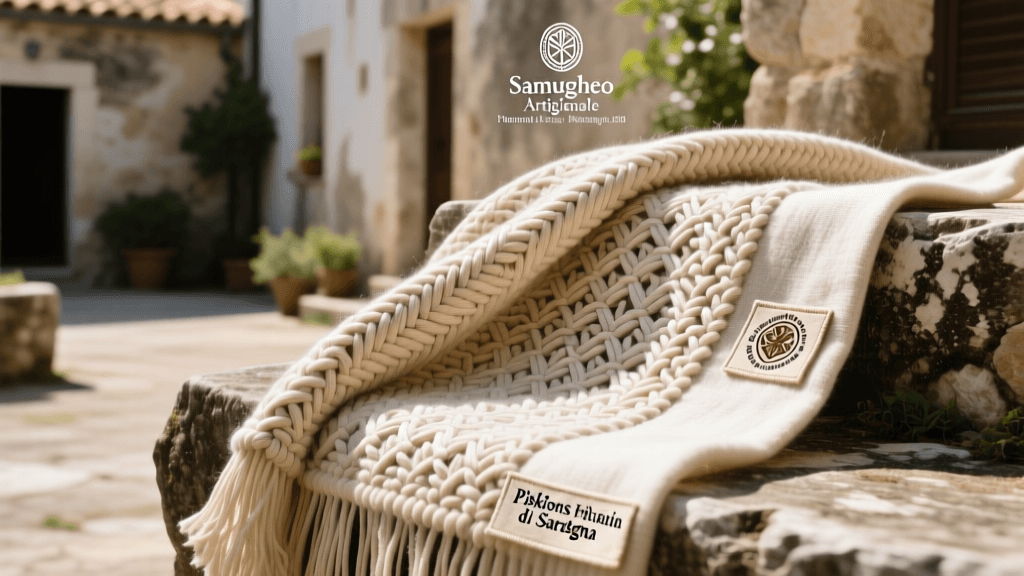
The term pibiones translates to 'grapes' or 'berries' in the Sardinian dialect, a fitting name for the distinct, raised, grain-like bumps that characterize this intricate textile. Unlike flat weaves, pibiones features a supplementary weft thread that is manually wrapped around a smooth rod (often a thin wooden stick or metal wire) during the weaving process. When the rod is removed, the thread forms a raised, three-dimensional loop or 'grain' on the surface of the fabric.
This technique requires extraordinary dexterity and patience. A master weaver operating a traditional wooden floor loom must count the warp threads and manually manipulate the supplementary weft for every single row of the pattern. In 2026, a single meter of high-quality, hand-loomed pibiones fabric can take an experienced artisan up to three full days to complete. The resulting textile is heavily textured, remarkably durable, and features geometric motifs—such as diamonds, rosettes, and stylized flora—that historically denoted the wearer's specific village, marital status, and social standing.
Materials: Orbace Wool and Natural Dyes
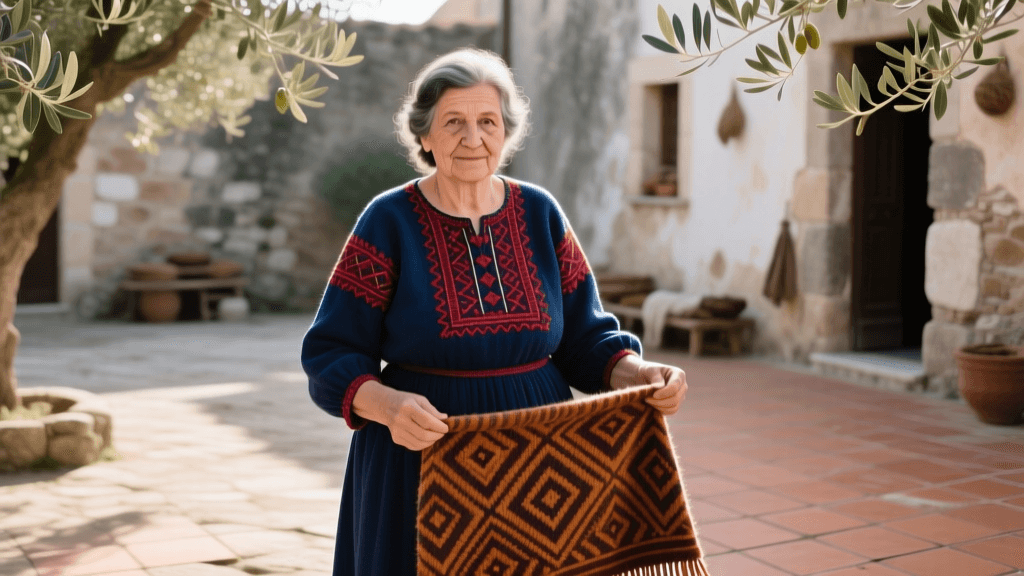
Authentic Sardinian folk dress relies heavily on orbace (or orbaci), a coarse, dense, and naturally water-resistant wool derived from the indigenous Sarda sheep. The raw wool is spun, woven, and then subjected to a rigorous fulling process. Historically, this was done in a gualchiera, a water-powered fulling mill that beats the woven fabric in a bath of hot water and natural soaps to shrink and felt the fibers, creating a dense, windproof cloth ideal for the island's rugged interior.
In 2026, the use of synthetic dyes in premium heritage garments has been almost entirely phased out in favor of botanical dyes, aligning with global sustainability mandates. Artisans are utilizing madder root (Rubia tinctorum) for deep terracotta reds, walnut husks for rich espresso browns, and weld (Reseda luteola) for vibrant, colorfast yellows. The combination of hand-spun orbace and botanical dyes ensures that each garment ages beautifully, developing a unique patina over decades of wear.
Top Heritage Brands and Artisan Cooperatives
Acquiring genuine Sardinian textiles requires navigating a market flooded with industrial imitations. To ensure you are investing in authentic folk dress, it is essential to purchase directly from recognized cooperatives and certified heritage brands. According to cultural preservation guidelines outlined by Sardegna Cultura, the island's official portal for heritage and traditions, supporting local cooperatives is vital for the survival of these intangible cultural practices.
1. Cooperativa Tessile di Samugheo
The village of Samugheo is universally recognized as the epicenter of Sardinian weaving. The local cooperative, established to protect the livelihoods of village weavers, remains the gold standard for authentic pibiones and orbace textiles in 2026. They specialize in traditional fassonis (reed boats) motifs and intricate diamond patterns. Buyers can commission full traditional skirts (s'unnedda), ornate shawls, and heavy winter capes directly from the loom. Their commitment to using only locally sourced, unblended Sarda wool makes their garments highly sought after by ethnographic collectors.
2. ISOLA (Istituto Sardo Organizzazione Lavoro Artigiano)
While not a single workshop, ISOLA is the regional institute that certifies and promotes authentic Sardinian craftsmanship. In 2026, their certification mark is the most trusted indicator of authenticity for buyers. Garments bearing the ISOLA tag guarantee that the textile was woven by hand on a traditional loom within the region, using historically accurate materials. Partnering with ISOLA-certified artisans ensures your investment directly supports the rural economies that sustain European folk dress traditions.
3. Tessitura Artigiana di Mogoro
Located in the Oristano province, Mogoro is famous for its distinct approach to the pibiones technique, often incorporating finer linen warp threads alongside the wool weft to create lighter, more breathable garments suitable for Mediterranean summers. Their 2026 collection of heritage-inspired contemporary wraps and ceremonial bodices bridges the gap between strict historical replication and modern wearable art.
2026 Buyer's Guide: Pricing and Sizing for Traditional Garments
Investing in hand-loomed Sardinian folk dress is a significant financial commitment, reflecting the hundreds of hours of skilled labor required. Below is a structured overview of average market prices and lead times for authentic pieces commissioned in 2026.
| Garment / Textile Type | Material Composition | 2026 Average Price (EUR) | Artisan Lead Time |
|---|---|---|---|
| Pibiones Ceremonial Shawl | 100% Sarda Wool, Botanical Dyes | €650 - €900 | 8 - 12 Weeks |
| Orbace Winter Cape (Gabbano) | Fulled Orbace Wool, Leather Trim | €1,200 - €1,800 | 4 - 6 Months |
| Traditional Pleated Skirt (Unnedda) | Wool/Linen Blend, Silk Ribbon Trim | €800 - €1,100 | 10 - 14 Weeks |
| Decorative Loom Runner (Custom) | Cotton Warp, Wool Pibiones Weft | €350 - €500 | 4 - 6 Weeks |
When commissioning bespoke folk garments, precise measurements are critical. Unlike modern commercial sizing, traditional Sardinian tailoring relies on specific drape and pleating techniques. For skirts and capes, artisans will require your exact shoulder-to-floor measurement, as well as the circumference of the hem to calculate the necessary volume for the traditional knife pleats, which are set using heat and natural starches.
Caring for Orbace and Pibiones Textiles
The longevity of these heritage garments is legendary, provided they are maintained correctly. The dense, felted nature of orbace wool makes it naturally resistant to water and wind, but it requires specific care to maintain its structural integrity. In 2026, heritage conservationists strongly advise against dry cleaning, as the harsh chemical solvents strip the wool of its natural lanolin, leaving the fibers brittle and prone to tearing.
Instead, spot clean stains using cold water and a lanolin-rich, pH-neutral wool soap. For a full refresh, gently hand-wash the garment in a bathtub with cool water, avoiding any wringing or twisting that could distort the raised pibiones grains. Roll the garment in heavy cotton towels to press out excess moisture, and lay it flat on a drying rack away from direct sunlight. To preserve the botanical dyes and protect against moth damage, store your Sardinian textiles in breathable cotton garment bags alongside blocks of untreated cedar wood, a practice that aligns with both historical precedent and modern conservation standards championed by institutions like the Fondazione Arte della Seta Lisio.
Conclusion
The survival of Sardinian folk dress in 2026 is a testament to the resilience of the island's artisans and the growing global appreciation for slow, meaningful fashion. By understanding the intricate pibiones technique, respecting the heritage of orbace wool, and purchasing directly from certified cooperatives, collectors and enthusiasts play a vital role in keeping this magnificent European textile tradition alive for generations to come.