Sardinian Folk Dress: 2026 Heritage Brand & Textile Guide
The Enduring Legacy of Sardinian Folk Dress in 2026
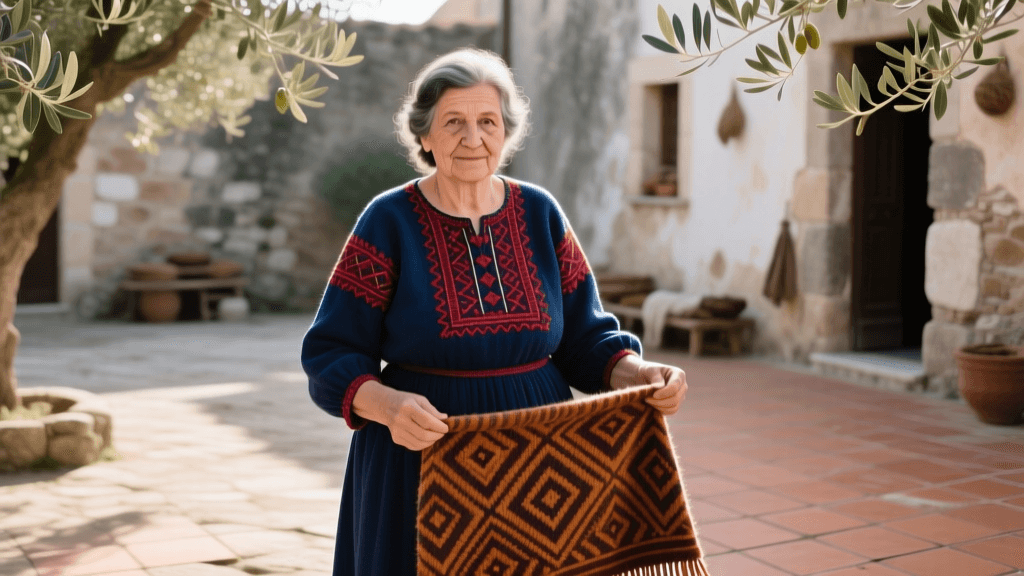
When discussing European folk dress, few regions command the reverence and mystique of Sardinia. Isolated by the Mediterranean Sea and shaped by a rugged, mountainous interior, the Italian island has preserved a textile and sartorial heritage that remains virtually untouched by the homogenizing forces of global fast fashion. As of 2026, the revival of Sardinian traditional garments is not merely a nostalgic pursuit; it is a thriving movement supported by heritage brands, artisan cooperatives, and stringent regional protections.
For collectors, cultural enthusiasts, and advocates of slow fashion, acquiring authentic Sardinian folk dress requires an understanding of the island's distinct micro-regions. The elaborate costumes of Nuoro differ vastly from the austere, dark woolens of the Barbagia region or the vibrant, gold-filigree-adorned ensembles of the Campidano plains. According to the official Sardegna Cultura portal, the island boasts over 400 distinct variations of traditional dress, each tied to a specific village, marital status, and seasonal festival.
This comprehensive guide explores the core textiles that define Sardinian heritage, highlights the premier artisan cooperatives keeping these traditions alive in 2026, and provides actionable advice for sourcing, measuring, and caring for these extraordinary garments.
The Soul of Sardinian Textiles: Orbace, Pibiones, and Burellu
To understand Sardinian folk dress, one must first understand the raw materials. The island's harsh climate and pastoral history dictated the use of robust, locally sourced fibers that were then elevated through masterful weaving techniques.
Orbace: The Waterproof Wool of the Shepherds
Orbace (or orbaci) is a coarse, highly durable wool fabric traditionally woven from the fleece of indigenous Sardinian sheep. What makes orbace unique is its post-weaving treatment: the fabric is subjected to intense fulling (beating and shrinking in hot water), which mat the fibers together to create a dense, virtually waterproof material. Historically used for the mastruca (a sleeveless shepherd's coat) and heavy winter skirts, orbace is prized in 2026 for its incredible longevity and structural drape. Modern heritage tailors utilize lightweight orbace blends for contemporary winter coats that echo traditional silhouettes.
Pibiones: The 'Grain' Weaving Technique
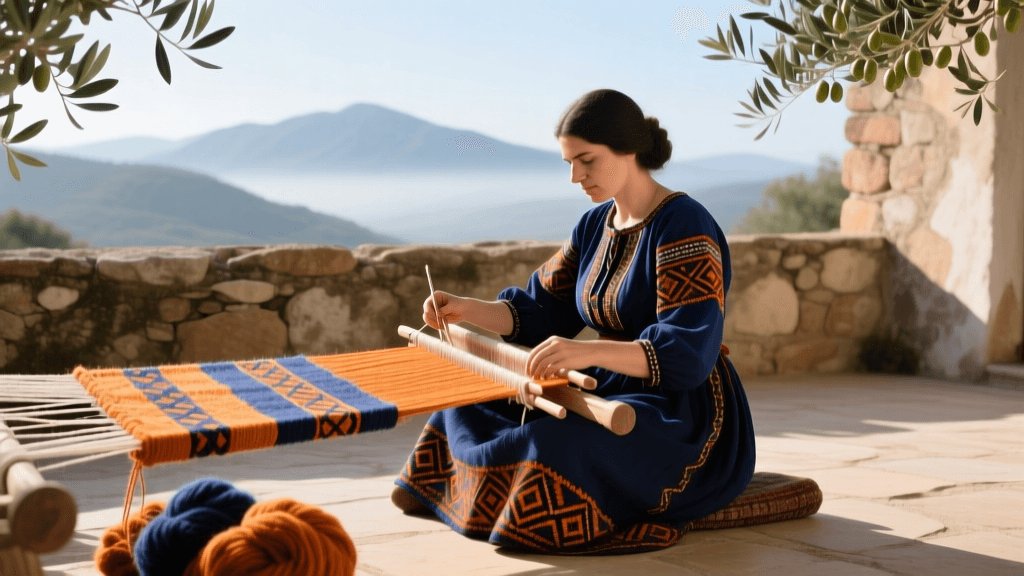
Perhaps the most iconic of all Sardinian textile arts is pibiones (meaning 'grains' or 'seeds' in the Sardinian language). This intricate hand-loom technique involves laying a supplementary weft thread over a smooth rod to create raised, textured patterns that resemble tiny grains of wheat or grapes. The resulting fabric is incredibly dense and features a distinct, tactile relief. In 2026, authentic hand-loomed pibiones is primarily used for ceremonial shawls (scialli), decorative aprons (grembiuli), and high-end home textiles. Due to the painstaking nature of the craft, a master weaver may produce only a few centimeters of complex pibiones per day.
Burellu and Linen
While wool dominates the winter and outer garments, the foundational layers of Sardinian dress rely on burellu (a sturdy, locally woven linen or hemp) and fine cotton. The pristine white linen shirts (camisa) worn beneath heavy velvet or wool bodices are characterized by extraordinary pleating and intricate blackwork or cross-stitch embroidery at the cuffs and collars.
Anatomy of the Nuoro and Desulo Costumes
When commissioning or purchasing heritage pieces, it is vital to specify the regional origin, as mixing elements from different villages is considered a breach of traditional etiquette.
- The Nuoro Ensemble: Known for its striking elegance, the Nuoro women's costume features a deeply pleated skirt (saunnedda) made of heavy, dark orbace or fine wool, bordered with vibrant silk ribbons. The bodice (coritu) is often made of crimson or dark blue velvet, heavily embroidered with gold thread, and worn over a finely pleated white linen shirt.
- The Desulo Ensemble: Originating from the high-altitude village of Desulo, this costume is famous for its vibrant red and blue wool skirts and the panneddu, a distinctive, heavily embroidered apron that serves as the focal point of the outfit. The outerwear includes a dark, hooded orbace cape designed to withstand mountain snows.
2026 Heritage Brands and Artisan Cooperatives
The survival of these techniques relies on a network of dedicated cooperatives and heritage brands. When shopping for authentic Sardinian garments in 2026, look for the ISOLA certification mark. The ISOLA (Istituto Sardo Organizzazione Lavoro Artigiano) mark guarantees that the product has been handcrafted in Sardinia using traditional methods and local materials, protecting buyers from mass-produced imports.
Cooperativa Tessitori di Sarule
Located in the village of Sarule, this cooperative is legendary for its preservation of the sa burra (traditional saddlebags) and heavy pibiones textiles. In 2026, they have expanded their bespoke offerings to include custom-woven ceremonial shawls and traditional skirts. Commissioning a piece here requires patience, with wait times often stretching from four to eight months due to the manual nature of their 18th-century wooden looms.
Tessitura Artigiana di Sedilo
Sedilo is globally recognized for its mastery of the pibiones technique. The artisans here specialize in intricate geometric and zoomorphic patterns that date back to the Nuragic civilization. They are a premier source for authentic grembiuli (aprons) and table linens that double as wearable art when adapted into skirts or wraps.
Artigianato Sardo & Contemporary Tailors
For those seeking ready-to-wear garments that incorporate traditional textiles without being full historical replicas, several contemporary tailors in Cagliari and Nuoro are integrating vintage and newly woven orbace into modern blazers, capes, and skirts. These pieces typically range from €450 to €900, offering a bridge between historical preservation and 2026 wardrobing.
Sardinian Textile Comparison & 2026 Pricing Guide
Understanding the market value of these textiles is crucial for collectors and enthusiasts. The table below outlines the average costs and characteristics of authentic, ISOLA-certified Sardinian textiles as of early 2026.
| Textile Type | Primary Use in Folk Dress | Weight & Drape | 2026 Avg. Price (Per Meter / Piece) | Care Requirements |
|---|---|---|---|---|
| Orbace (Heavy) | Capes, Mastruca, Winter Skirts | Very heavy, stiff, waterproof | €120 - €180 / meter | Dry clean only; air out in sunlight |
| Orbace (Light/Blended) | Contemporary Jackets, Vests | Medium weight, structured drape | €85 - €110 / meter | Specialist wool wash or dry clean |
| Pibiones (Hand-Loomed) | Shawls, Aprons, Bodice Panels | Dense, textured, medium-heavy | €250 - €400 / finished piece | Spot clean; professional textile care |
| Burellu (Linen) | Shirts, Undergarments, Veils | Crisp, breathable, softens with age | €45 - €70 / meter | Hand wash cold; iron while damp |
| Velluto (Velvet) | Bodices (Coritu), Men's Vests | Plush, luxurious, light-absorbing | €90 - €150 / meter | Steam to remove crush; dry clean only |
Sourcing, Measurements, and Commissioning Bespoke Pieces
If you are traveling to Sardinia in 2026 to commission a bespoke piece, or ordering remotely from a cooperative, precise measurements and clear communication regarding the garment's intended use are essential. Traditional Sardinian garments are rarely sized in standard European numeric formats (e.g., 38, 40, 42). Instead, they are tailored to the individual's exact proportions.
Key Measurements for Traditional Skirts (Saunnedda)
The traditional Sardinian skirt is defined by its dense, accordion-like pleating. To achieve the correct volume and hemline, the artisan will require:
- Circumference at the natural waist: Taken precisely where the heavy wool will sit, often supported by a linen tie.
- Waist-to-floor measurement: Measured while wearing the traditional leather or wooden-soled shoes you intend to pair with the dress, as the hem must clear the ground by exactly two fingers' width to prevent the heavy wool from fraying.
- Pleat density preference: A full ceremonial skirt can require up to 8 to 12 meters of fabric, tightly pleated. You must specify if you want a 'daily' skirt (fewer pleats, lighter weight) or a 'festival' skirt (maximum density).
Navigating Lead Times and Deposits
Heritage weaving is a slow art. When commissioning a pibiones shawl or an orbace coat in 2026, expect to pay a 40% to 50% non-refundable deposit upfront to cover the cost of raw, locally spun yarns. Lead times typically range from 12 to 24 weeks. The Italian Ministry of Culture (Ministero della Cultura) actively supports these artisan networks, ensuring that the transmission of these skills to younger generations remains viable, but this also means that master weavers are often booked months in advance, especially leading up to the massive Cavalcata Sarda and Sagra di Sant'Efisio festivals in the spring.
Caring for Heritage Wool and Linen
Investing in Sardinian folk dress is an investment in heirloom-quality pieces that, with proper care, will outlive the original owner. The high lanolin content in traditional orbace makes it naturally resistant to water and odors, but it requires specific maintenance.
- Airing and Brushing: Never machine wash orbace or heavy pibiones. After wearing, brush the garment vigorously with a natural bristle garment brush to remove dust and realign the wool fibers. Hang it outside in a shaded, breezy area to air out.
- Moth Prevention: Sardinian wool is a prime target for textile pests. Store garments in breathable cotton canvas bags (never plastic) alongside natural repellents like cedar blocks, dried lavender, or traditional Sardinian herbs like elicriso (curry plant), which has been used for centuries to protect textiles.
- Pleat Maintenance: The intricate pleats of the saunnedda can fall out if stored on standard hangers. Traditional skirts should be rolled around a padded, acid-free cardboard tube and stored horizontally in a cedar chest to preserve the structural integrity of the pleats and prevent stress on the wool fibers.
Conclusion
The landscape of Sardinian folk dress in 2026 is a testament to the resilience of regional identity. By choosing to acquire garments from ISOLA-certified cooperatives and understanding the profound history woven into every thread of orbace and pibiones, enthusiasts do more than build a unique wardrobe—they become active participants in the preservation of one of Europe's most extraordinary living textile traditions. Whether you are commissioning a bespoke ceremonial shawl or integrating a vintage orbace vest into your contemporary winter rotation, Sardinian heritage offers unmatched craftsmanship, history, and sartorial soul.