Sardinian Folk Dress & Heritage Orbace Brands in 2026
The Renaissance of the Abito Sardo in 2026
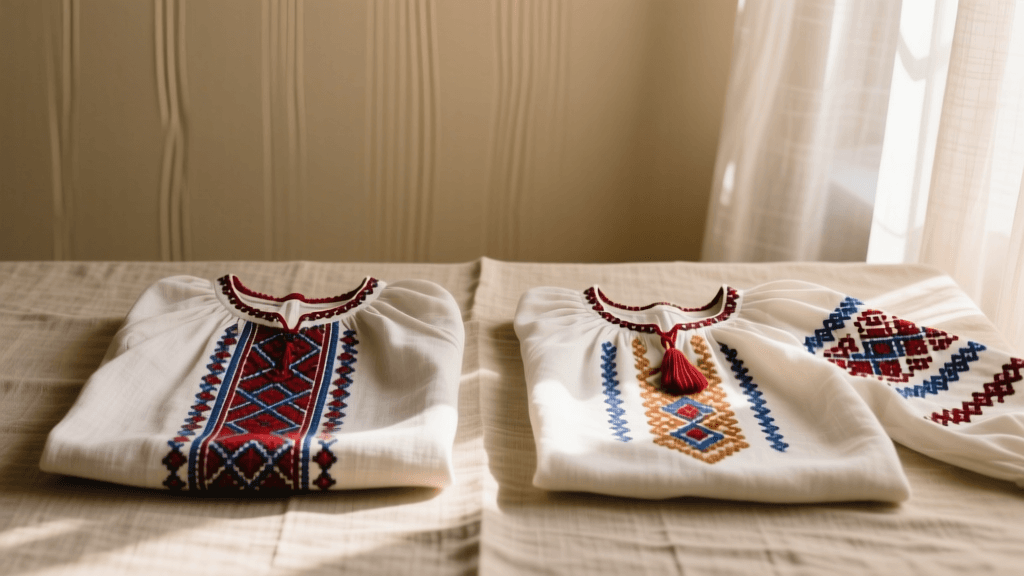
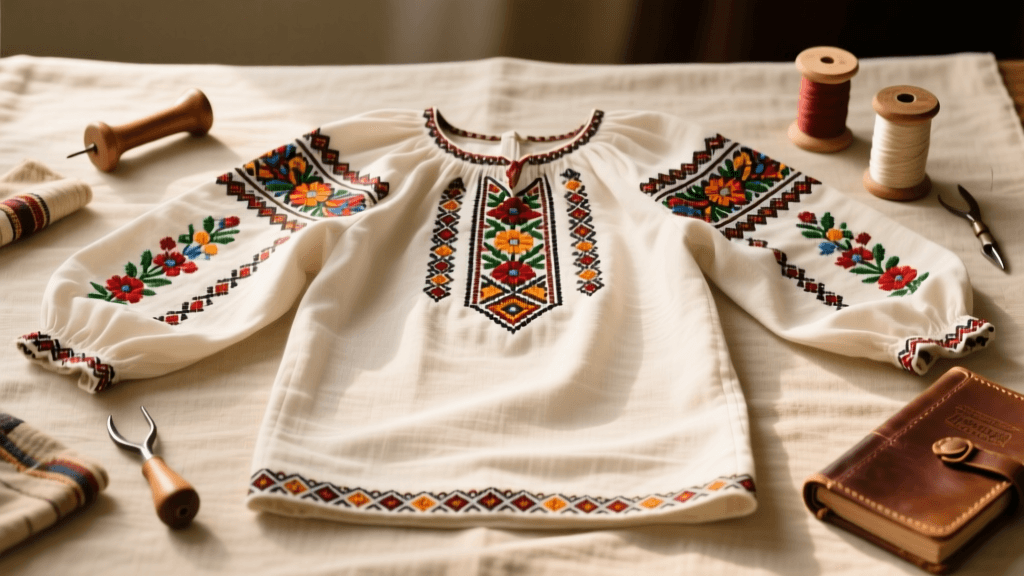
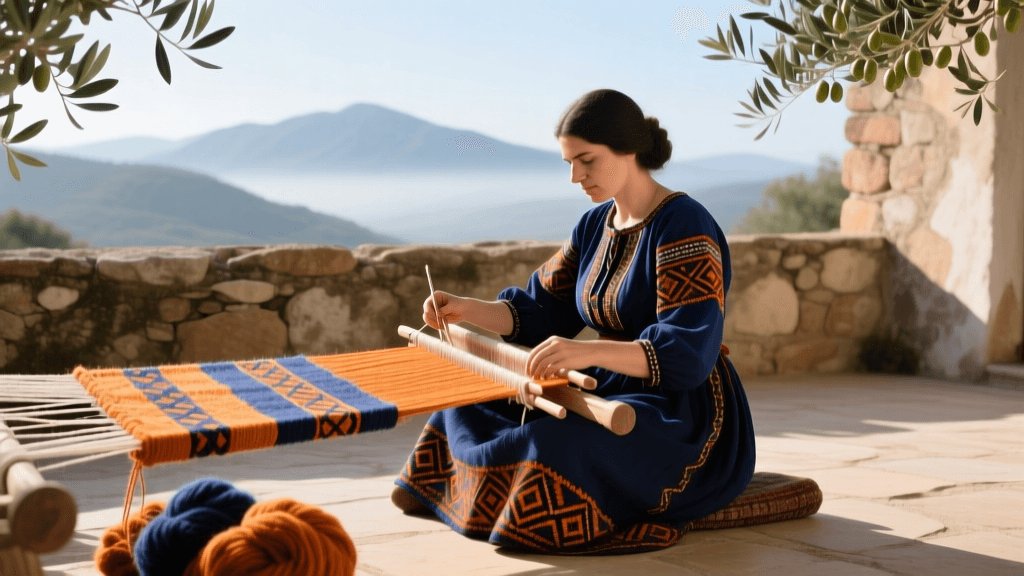
When discussing Italian sartorial excellence, the global conversation often defaults to the tailored suits of Naples or the high-fashion runways of Milan. However, in 2026, a profound cultural renaissance is drawing the eyes of textile historians, heritage fashion enthusiasts, and sustainable style advocates toward the rugged, deeply historic island of Sardinia. The traditional Sardinian folk dress, known locally as the abito sardo or bestimenta, represents one of the most diverse and meticulously preserved textile traditions in Europe. Today, a new generation of heritage brands and artisan cooperatives is reviving ancient techniques—most notably the weaving of orbace wool—bridging the gap between ancestral shepherd garments and contemporary heritage wardrobes.
According to the Istituto Superiore Regionale Etnografico (ISRE), the preservation of Sardinian textile heritage has seen a 40% increase in artisan apprenticeships over the last three years. This surge is driven by a global demand for slow fashion, hyper-local provenance, and garments that tell a story of survival and identity.
The Anatomy of the Sardinian Folk Dress
The traditional dress of Sardinia is not a single uniform; it is a complex visual language. Historically, the cut, color, and embroidery of a garment could reveal a person’s exact village, marital status, and social class. While there are over 400 distinct regional variations, the foundational elements remain deeply rooted in the island's pastoral history.
Women’s Traditional Garments
The women’s folk dress is a masterclass in layering and vibrant textile contrast. Key components include:
- Sa Berritta or Sa Cappitta: The headwear, which ranges from delicate white linen veils (sa benda) in the Campidano region to heavy, dark woolen hoods in the mountainous Barbagia.
- Su Zippone: A fitted, heavily embroidered bodice, often reinforced with stiff linen or velvet, designed to support the posture and showcase intricate gold or silk threadwork.
- Sa Gonna: The skirt, typically made of heavy, pleated wool or orbace, featuring a brightly colored silk or velvet hemline that flashes when walking.
- Su Panniccu: The apron, which is rarely used for protection in the traditional sense, but rather serves as a canvas for the family's wealth, adorned with metallic threads and regional motifs.
Men’s Traditional Garments
Men’s attire is distinctly more utilitarian, born from the demands of the transhumant shepherd lifestyle, yet elevated by striking silhouettes.
- Sa Berritta: The iconic, long, tube-like woolen cap, usually worn folded back over the head or draped down the side.
- Su Zippone: A short, double-breasted jacket made of orbace or velvet, leaving the chest open to display the crisp white linen shirt beneath.
- Is Ragas: A kilt-like skirt made of pleated white linen or wool, worn over the trousers, reflecting ancient Mediterranean and Balkan influences.
- Is Carzones: Tight-fitting white linen or wool trousers, often secured with leather gaiters (is ghettas) to protect against the thorny Mediterranean scrub.
Orbace: The Water-Resistant Wool of the Shepherds
You cannot discuss Sardinian heritage brands without understanding orbace. This traditional, coarse, and incredibly durable wool is spun from the fleece of the native Sarda sheep. Historically, orbace was the ultimate survival fabric; its dense, slightly lanolin-rich weave made it naturally water-resistant and windproof, essential for shepherds enduring the harsh winters of the Gennargentu mountains.
In 2026, orbace has transcended its pastoral origins. Heritage textile cooperatives, particularly in the village of Samugheo, are utilizing restored 18th-century wooden looms to produce orbace with a slightly refined hand-feel, suitable for modern outerwear while retaining its indestructible qualities. A genuine, hand-woven orbace jacket from a certified Sardinian artisan cooperative currently retails between €650 and €950, reflecting the hundreds of hours required to wash, card, spin, and weave the yarn using natural dyes like walnut husks and madder root.
Heritage Brands and Artisan Cooperatives Leading the Revival
The survival of the abito sardo relies on the artisans who refuse to let the craft become a mere museum exhibit. In 2026, several heritage brands and cooperatives are at the forefront of this movement:
- Cooperativa Tessile di Samugheo: Famous for their tappeti (rugs) and heavy woolens, this cooperative has recently launched a line of contemporary orbace capes and jackets that honor traditional Barbagia patterns while appealing to the modern slow-fashion consumer.
- Artigianarte Sarda: A collective of independent weavers and tailors who provide bespoke, historically accurate folk dress for cultural festivals, utilizing only regionally sourced silk, linen, and wool.
- Contemporary Designers: High-profile Sardinian designers are increasingly collaborating with rural weaving cooperatives, integrating orbace panels and traditional pibiones (a raised grain weaving technique) into luxury ready-to-wear collections showcased in Milan and Paris.
Regional Variations: A Comparative Guide
To truly appreciate the depth of Sardinian folk dress, one must understand the distinct regional macro-categories. The Sardegna Cultura portal highlights how geography dictated textile choices across the island.
| Region | Key Characteristics | Primary Materials | Dominant Colors |
|---|---|---|---|
| Barbagia (Nuorese) | Heavy, protective layers; intricate geometric embroidery; prominent use of the ragas kilt. | Coarse Orbace wool, heavy linen, leather. | Black, dark brown, deep red, white. |
| Campidano (Cagliari) | Lighter, more flowing silhouettes; elaborate gold filigree jewelry; sheer veils. | Fine silk, lightweight cotton, velvet. | Vibrant reds, saffron yellow, emerald green. |
| Logudoro (Sassari)Spanish influence; rigid, heavily structured bodices; extensive use of lace and silver buttons. | Brocade, fine wool, imported lace. | Navy blue, crimson, gold accents. |
Sardinian Filigrana: The Metalwork of the Folk Dress
The textile brilliance of the abito sardo is anchored by its metalwork. Sardinian filigrana (filigree) is an ancient jewelry technique involving the twisting of fine gold or silver wires into intricate, lace-like patterns. In the context of folk dress, this metalwork is most prominently displayed in the bottoni (buttons) that fasten the women's bodices and men's jackets.
A single set of antique or master-crafted modern bottoni sardi can feature motifs of the pavoncella (peahen, symbolizing fertility) or the rosa punica (pomegranate rose). In 2026, heritage jewelers in towns like Dorgali and Castelsardo are experiencing a surge in commissions, not just for festival wear, but for everyday heirloom pieces that connect the Sardinian diaspora to their roots.
Experiencing the Revival: 2026 Festivals and Sourcing
For those looking to witness the abito sardo in its full, living glory, timing a visit to Sardinia’s premier cultural festivals is essential. The 2026 festival calendar offers unparalleled opportunities for textile enthusiasts:
- Sagra di Sant'Efisio (May 1, 2026 - Cagliari): One of the largest religious processions in the Mediterranean. Thousands of participants walk the 60-kilometer route from Cagliari to Pula wearing meticulously accurate, village-specific folk dresses. It is a living encyclopedia of Sardinian textile history.
- Cavalcata Sarda (Late May 2026 - Sassari): A spectacular parade featuring horsemen and women from every corner of the island, showcasing the vibrant silks and heavy wools of the Logudoro and Gallura regions.
A Buyer’s Guide to Authentic Garments
As the popularity of heritage fashion grows, so does the market for mass-produced imitations. When sourcing authentic Sardinian garments or orbace textiles in 2026, adhere to these guidelines:
- Check the Provenance: Authentic orbace should come with a certificate of origin from a recognized cooperative (e.g., Samugheo or Mogoro).
- Examine the Weave: Hand-woven pibiones textiles will have slight, beautiful irregularities on the reverse side. Machine-made copies will be perfectly uniform.
- Invest in Artisans: Bypass tourist boutiques in coastal resort towns. Instead, visit the inland weaving villages and the artisan workshops in Nuoro and Sassari, where you can commission bespoke pieces directly from the makers.
Conclusion
The Sardinian folk dress is far more than a historical costume; it is a resilient armor of identity, woven from the very landscape of the island. As heritage brands and artisan cooperatives continue to innovate and preserve techniques like orbace weaving and filigrana metalwork in 2026, they ensure that the abito sardo remains a vital, breathing testament to Italy’s profound regional diversity. For the modern wardrobe, incorporating a piece of Sardinian heritage is not just a fashion choice—it is an investment in the survival of one of Europe's most extraordinary textile legacies.