Scandinavian Brudkrona & Silver Filigree: 2026 Buyer's Guide
The Revival of Scandinavian Folk Accessories in 2026
European folk dress is defined not just by its textiles, but by the intricate metalwork and headwear that complete the ensemble. In Scandinavia, the brudkrona (bridal crown) and silver filigree jewelry remain some of the most visually striking and culturally significant accessories in the traditional wardrobe. As we move through 2026, there has been a massive resurgence in couples opting for authentic folk weddings, driving a renewed demand for handcrafted Nordic headwear and heirloom-quality silver. Whether you are a collector, a bride planning a traditional Scandinavian wedding, or a folk-dance enthusiast, understanding the current market, historical context, and proper care for these pieces is essential.
The Heritage and Symbolism of the Brudkrona
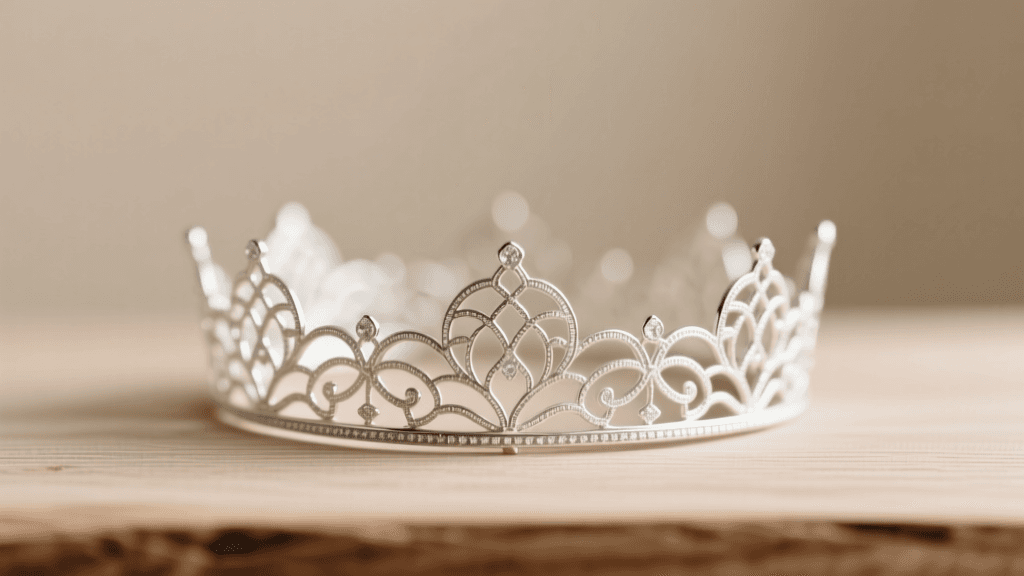
The brudkrona is a traditional Swedish and Norwegian bridal crown, historically worn by brides to symbolize purity, status, and the transition into married life. Unlike the delicate floral wreaths of summer festivals, the brudkrona is a substantial piece of metalwork. According to the extensive archives at the Nordiska Museet, these crowns were often owned by the local parish or wealthy farming families and lent to brides for their wedding day. The crown was meant to mimic the golden crowns of the Virgin Mary and medieval royalty, elevating the bride to a queen for a single day.
In 2026, modern artisans are blending historical accuracy with contemporary wearability. While antique crowns from the 18th and 19th centuries are highly sought after, they can be prohibitively heavy and fragile. Today’s master silversmiths use advanced 3D scanning to study museum archives, allowing them to recreate historically accurate motifs using lighter, more durable eco-silver alloys.
Anatomy and Measurements of Traditional Crowns
If you are commissioning or purchasing a brudkrona in 2026, it is crucial to understand the standard measurements and structural elements. A poorly fitted crown can cause severe discomfort during a long day of festivities.
- Base Diameter: Most traditional crowns range from 16 cm to 19 cm in inner diameter. Modern versions often include a hidden, adjustable leather or velvet-lined inner band to accommodate different head sizes securely.
- Weight: Antique brass or heavy silver crowns can weigh upwards of 600 grams. Contemporary 2026 artisan replicas typically aim for a 250 to 400-gram range, utilizing hollow-cast beads and thinner gauge filigree to reduce neck strain.
- Height and Silhouette: The crown usually features a scalloped upper edge with spikes, trefoils, or floral motifs rising 5 to 8 cm above the base band.
- Decorative Elements: Look for hanging glass stones, polished rock crystal, and small convex mirrors. The mirrors were historically believed to deflect the "evil eye" and malicious spirits from the bride on her vulnerable wedding day.
Silver Filigree: The Solje and Sølje Brooches
No Scandinavian folk dress (folkdräkt or bunad) is complete without its accompanying silver jewelry. The most iconic of these is the solje (Swedish) or sølje (Norwegian) brooch. These sun-shaped, filigree pendants feature intricate wirework, granulation, and dangling silver spoons or discs that catch the light and create a gentle chiming sound when the wearer moves.
The Norsk Folkemuseum highlights that silver jewelry in Norway was not merely decorative; it served as a wearable bank account for farming families. In times of financial hardship, the silver could be melted down or sold. Today, the cultural value far outweighs the raw melt value. When shopping for solje brooches in 2026, buyers should look for specific hallmarks. Authentic Norwegian pieces will bear the 830s stamp (indicating 83% pure silver, the historical Norwegian standard), while modern international and Swedish pieces often use the 925s sterling standard. You can verify historical patterns and regional variations through the expansive DigitaltMuseum database, which hosts thousands of high-resolution images of regional silver variants.
2026 Artisan Market: Pricing and Sourcing
The market for traditional European folk accessories has shifted significantly in 2026. Supply chain adjustments and a renewed focus on sustainable, ethically mined precious metals have influenced pricing. Below is a comprehensive guide to what you can expect to pay for high-quality, artisan-made Scandinavian accessories this year.
| Accessory Type | Material Standard | 2026 Average Price (USD) | Artisan Lead Time |
|---|---|---|---|
| Heirloom Brudkrona (Custom) | 830s / 925s Silver, Gold Plate | $1,400 - $2,800 | 12 - 16 Weeks |
| Antique Solje Brooch (Pre-1920) | 830s Silver, Original Patina | $450 - $1,200 | Immediate (Auction/Dealer) |
| Modern Artisan Sølje (Large) | 925s Sterling Eco-Silver | $220 - $450 | 4 - 8 Weeks |
| Festive Hair Pins (Set of 4) | Silver Alloy / Brass | $85 - $150 | 2 - 4 Weeks |
| Bridal Belt Buckle (Smyckebälte) | Silver Filigree over Leather | $350 - $600 | 8 - 10 Weeks |
2026 Buyer Tip: When commissioning a custom brudkrona, always ask the artisan for a 3D-rendered prototype approval before the final casting. This ensures the scale of the trefoils and the placement of the hanging mirrors perfectly match your facial proportions and the specific regional folk dress you are pairing it with.
Hallmarks and Authenticity Verification
As the popularity of Nordic folk dress grows globally, the market has seen an influx of mass-produced, imported replicas. To ensure you are investing in genuine European folk art in 2026, you must know how to read the hallmarks.
- The Maker’s Mark: Authentic pieces will feature a registered silversmith stamp. In Norway, this is often a three-letter combination or a distinct symbol registered with the national assay office.
- The Purity Stamp: Look for 830S (traditional Norwegian), 925S (modern sterling), or 800S (common in older Swedish and Danish pieces).
- The Town Mark: Older antique pieces may feature a mark indicating the city of origin, such as the three crowns for Stockholm or a specific castle mark for Bergen.
Mass-produced tourist souvenirs often lack these stamps or feature generic "SILVER" text without numerical purity indicators. Always request a certificate of authenticity or a provenance document when purchasing antique pieces from dealers.
Caring for Antique and Modern Folk Silver
Proper maintenance is critical to preserving the intricate filigree and delicate hanging elements of your jewelry and headwear. Silver naturally oxidizes, but the deep crevices of filigree work require a specific approach to cleaning.
Do’s and Don’ts of Silver Care
- DO use a specialized silver dip for heavy tarnish: For intricate solje brooches where a cloth cannot reach, a brief (no more than 10 seconds) bath in a professional-grade silver dip will remove black oxidation. Rinse immediately with distilled water and dry thoroughly.
- DON’T use abrasive pastes: Baking soda or harsh polishing pastes will become trapped in the granulation and wirework, leaving a chalky white residue that is nearly impossible to remove without ultrasonic cleaning.
- DO store with anti-tarnish strips: In 2026, silica gel packets and specialized 3M anti-tarnish strips are essential for storing brudkronas. Keep the crown in a rigid, velvet-lined box to prevent the delicate hanging mirrors and glass stones from being crushed.
- DON’T wear silver in modern pools or hot springs: Chlorine and sulfur will cause irreversible pitting and rapid blackening of the silver alloys used in traditional folk jewelry.
Styling Headwear and Jewelry for Modern Festivals
Wearing a brudkrona or a heavy silver belt requires practical styling knowledge. The weight of the crown can cause headaches if not properly secured. Professional folk-dress stylists recommend using a braided hair foundation. By braiding the hair tightly against the scalp and pinning it in a crown-like formation, you create a natural, padded shelf for the metal crown to rest upon. Use U-shaped hairpins, slipped through the inner band of the crown and into the braids, to anchor it securely.
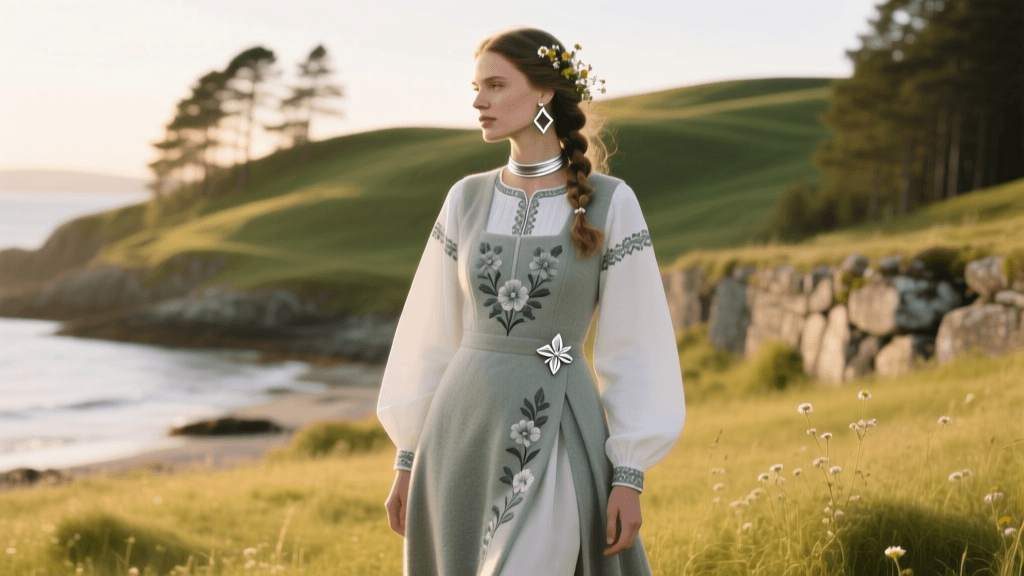
For the silver jewelry, layering is key to the traditional aesthetic. A standard festive bunad or folkdräkt outfit in 2026 typically features a large solje at the collar, a smaller brooch securing the linen shift, and silver cufflinks or sleeve clasps. The harmonious chiming of the silver spoons on the brooches is considered an integral part of the garment’s sensory experience, bringing the rich, living history of European folk dress into the modern era.