Baltic Amber Jewelry & Kokoshnik Headwear: 2026 Guide
The 2026 Revival of Eastern European Folk Accessories
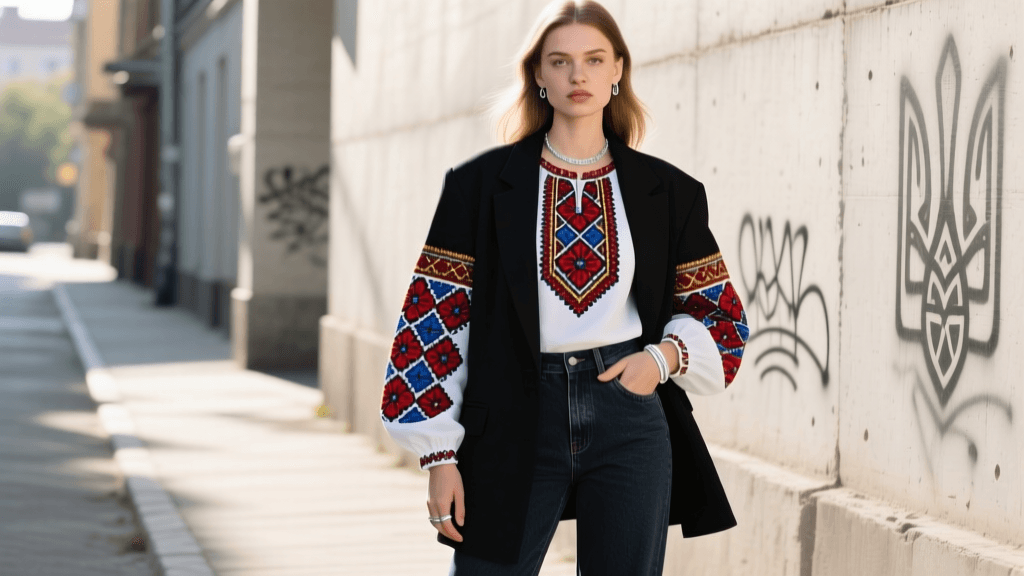
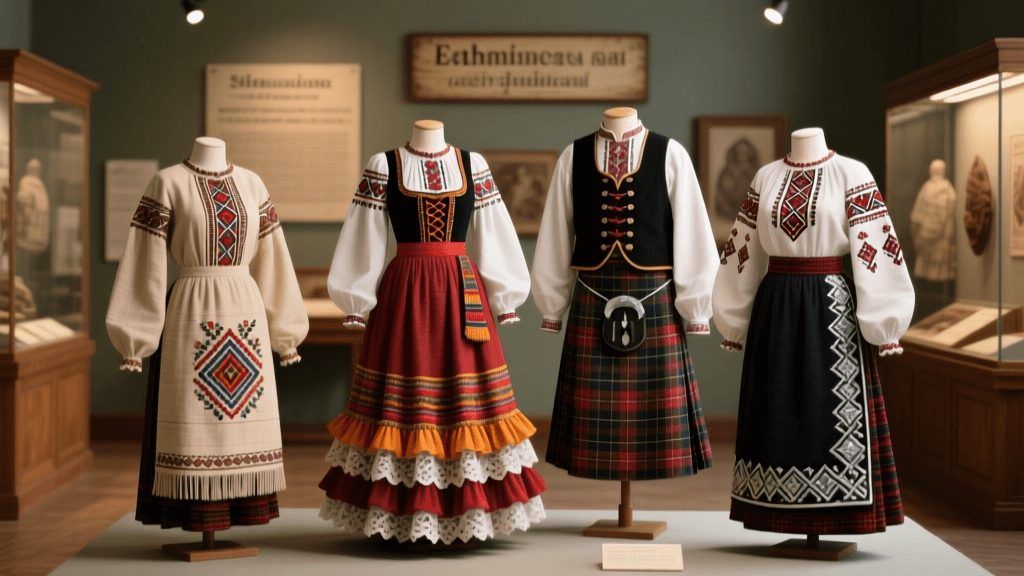
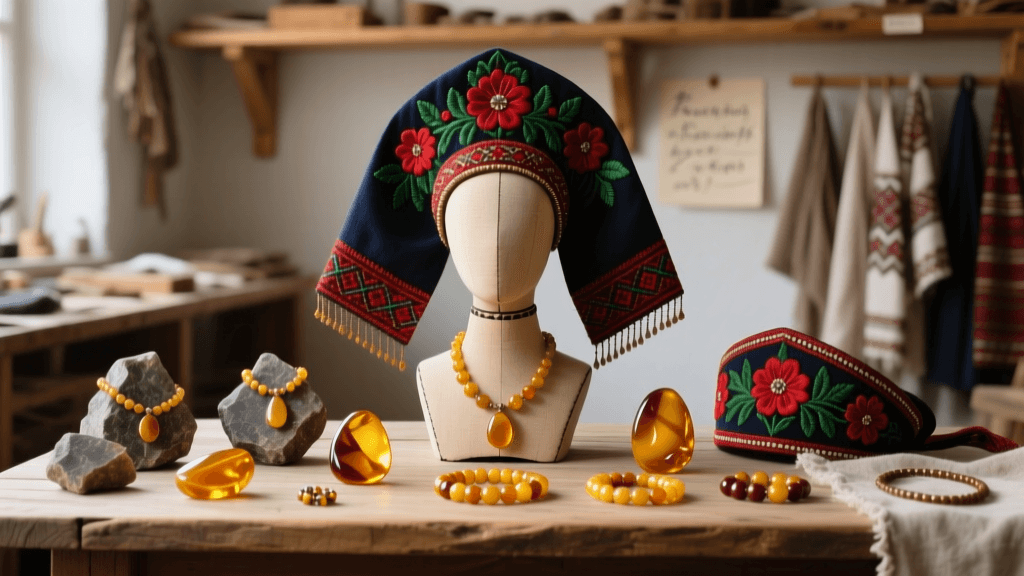
The landscape of traditional European folk dress is experiencing a massive renaissance in 2026, driven by a global desire for sustainable, historically grounded, and artisan-crafted fashion. Among the most highly sought-after elements of this revival are the intricate accessories of Eastern Europe and the Baltic regions. Specifically, Baltic amber jewelry (often referred to in Slavic traditions as namisto or burshytin) and the majestic Russian kokoshnik headwear have transitioned from museum archives to modern festival wear, bridal fashion, and high-end cultural apparel.
For collectors, folk-dress enthusiasts, and cultural historians, navigating the 2026 market requires a deep understanding of historical authenticity, modern artisan pricing, and proper material care. This comprehensive guide provides actionable advice on sourcing, authenticating, and styling these magnificent pieces of European heritage.
Sourcing and Authenticating Baltic Amber (Namisto)
Baltic amber, or succinite, is fossilized tree resin dating back approximately 44 million years. In traditional Ukrainian, Polish, and Lithuanian folk dress, heavy, multi-strand amber necklaces were not merely decorative; they were talismans of health, solar energy, and familial wealth. In 2026, the market is flooded with copal (immature resin), pressed amber, and synthetic plastics disguised as genuine Baltic succinite. According to the Gemological Institute of America (GIA), true Baltic amber possesses unique chemical inclusions, including succinic acid, which distinguishes it from other global deposits.
The 2026 Authenticity Checklist for Buyers
When sourcing raw or polished amber beads for traditional folk dress, utilize these non-destructive tests to verify authenticity before purchasing:
- The Saltwater Float Test: Genuine Baltic amber will float in a saturated saltwater solution (1 part salt to 2 parts water) but sink in fresh water. Plastics and glass will sink in both.
- The UV Fluorescence Test: Under a standard 365nm UV flashlight, authentic Baltic amber will fluoresce a pale blue, green, or milky white. Copal and synthetic resins typically show no fluorescence or a dull, flat yellow.
- The Electrostatic Test: Rubbing genuine amber vigorously on a natural wool cloth will generate a static charge capable of picking up small pieces of tissue paper.
- The Scent Test (For Raw/Unpolished Pieces): When gently heated by friction, true Baltic amber releases a faint, pleasant pine-forest scent, whereas plastic emits an acrid chemical odor.
2026 Market Trend: Perfectly round, highly polished cognac beads are no longer the sole standard. The 2026 folk-revival movement heavily favors 'wild' or 'baroque' raw amber chunks, which retain their natural, jagged inclusions and bark-like outer crusts, offering a more rugged, historically accurate aesthetic for traditional peasant dress recreations.
Commissioning a Traditional Slavic Kokoshnik
The kokoshnik is a traditional Russian headwear piece worn by married women, characterized by its rigid, crested halo that frames the face. Originating in the northern and central provinces of Russia, the kokoshnik varies wildly by region—from the tall, crescent-shaped crests of Vladimir to the wide, shield-like halos of Kostroma. In 2026, commissioning a bespoke kokoshnik from traditional textile artisans is a meticulous process that requires precise measurements and an understanding of historical textiles.
How to Measure for a Custom Kokoshnik
Unlike soft caps or floral wreaths (vinok), the rigid structure of a kokoshnik requires exact head mapping to ensure it sits securely without causing pressure points. Follow these steps when submitting measurements to an artisan:
- The Crown Circumference: Using a soft tailor's tape, measure around the head where the base of the kokoshnik will sit. Start one inch above the eyebrows, go just above the ears, and wrap around the widest part of the occipital bone at the back of the skull.
- The Crest Height: Measure from the center of your forehead (hairline) straight up to the desired peak of the crest. Traditional ceremonial pieces often range from 4 to 8 inches in height, while everyday folk-revival pieces cap at 3 inches.
- The Ear-to-Ear Arch: Measure over the top of the head from the top of one ear to the other. This dictates the structural width of the rigid inner band.
- Comfort Allowance: Always add 0.5 inches to your final circumference measurement to account for the thick velvet or brocade lining and the traditional quilted cotton padding used by modern artisans.
2026 Artisan Pricing and Sourcing Matrix
The cost of authentic folk accessories has shifted in 2026 due to the rising costs of natural materials like freshwater river pearls, goldwork thread, and genuine Baltic amber. Below is a structured comparison of what to expect when sourcing these items in the current market.
| Item Category | Material Composition | 2026 Average Cost (USD) | Lead Time | Best Use Case |
|---|---|---|---|---|
| Raw Amber Namisto (Single Strand) | Unpolished Baltic Succinite (10-15mm chunks) | $140 - $280 | In Stock | Everyday folk-revival wear, casual festivals |
| Multi-Strand Amber Necklace | Graduated polished beads, silver clasps | $450 - $900 | 2 - 4 Weeks | Traditional bridal wear, high-end cultural events |
| Festival-Grade Kokoshnik | Cotton brocade, glass seed beads, felt base | $180 - $350 | 4 - 6 Weeks | Dance troupes, theatrical performances, casual wear |
| Museum-Replica Kokoshnik | Silk velvet, goldwork embroidery, river pearls | $1,200 - $3,500+ | 3 - 6 Months | Heirloom collection, historical reenactment, bridal |
| Traditional Ryasny (Side Pendants) | Freshwater pearls, brass chains, enamel drops | $220 - $500 | 3 - 5 Weeks | Attaching to kokoshnik base for ceremonial dress |
Styling Folk Accessories for Contemporary Wear
Integrating heavy historical accessories into a 2026 wardrobe requires a balanced approach to avoid looking overly theatrical. The modern folk-revival aesthetic relies on juxtaposition. Pair a heavy, raw amber namisto with a simple, unbleached linen shift dress or a structured, dark wool winter coat. The organic texture of the raw amber contrasts beautifully with minimalist, natural-fiber garments.
When wearing a kokoshnik outside of a strict historical reenactment setting, opt for the smaller, embroidered 'daily' styles rather than the towering pearl-encrusted bridal crests. Secure the headwear using hidden, matte-finished hairpins woven into a tight braided crown at the back of the head. Many 2026 artisans now install discreet, velvet-lined comb inserts into the base of the kokoshnik, allowing it to grip modern hairstyles securely without the need for traditional linen binding caps (volosnik).
Archival Care and Preservation
Both amber and traditional embroidered headwear require specialized care to survive the rigors of modern wear and environmental changes. Preservation techniques recommended by textile and jewelry conservationists emphasize proactive storage and gentle cleaning.
Caring for Baltic Amber
- Avoid Chemicals: Amber is incredibly soft (2 to 2.5 on the Mohs scale) and porous. Never expose it to perfume, hairspray, or alcohol-based cosmetics, as these will permanently cloud the surface and degrade the resin.
- Temperature Control: Store amber away from direct sunlight and extreme heat. Prolonged UV exposure and high temperatures can cause the amber to oxidize, turning vibrant cognac hues into a dull, cracked brown.
- Restringing: If wearing heavy, multi-strand amber necklaces, have the silk or linen cords professionally restrung every 24 months to prevent catastrophic snapping.
Preserving the Kokoshnik
- Structural Support: Never store a rigid kokoshnik flat or under pressure. It must be stored upright in a custom-fitted hat box. Stuff the inner crown with acid-free tissue paper to maintain the tension of the embroidery and prevent the velvet from crushing.
- Moisture Control: Silk velvet and goldwork threads are highly susceptible to mold and tarnish. Include silica gel desiccant packets and anti-tarnish strips in the storage box, and inspect the piece bi-annually.
- Dusting: Use a soft, natural-bristle makeup brush to gently sweep dust away from pearl encrustations and metallic threads. Never use wet cloths or commercial jewelry dips on the embroidered elements.
As documented in the UNESCO Intangible Cultural Heritage registries, the safeguarding of traditional craftsmanship relies not just on the creation of these items, but on their ongoing, respectful maintenance. By investing in authentic materials and practicing rigorous archival care, enthusiasts in 2026 can ensure that the legacy of Baltic amber and the Slavic kokoshnik continues to thrive for generations to come. For further study on historical jewelry construction and conservation, the archives at the Victoria and Albert Museum remain an invaluable digital and physical resource for serious collectors.