Guide to Baltic Amber & Slavic Vinok Headwear 2026
The Resurgence of Eastern European Folk Accessories in 2026
As we navigate the vibrant cultural landscape of 2026, the revival of traditional European folk dress has moved beyond mere historical reenactment into a dynamic expression of living heritage. Across the Baltic states, Ukraine, Poland, and the broader Slavic diaspora, artisans and festival-goers are reclaiming their ancestral aesthetics with unprecedented dedication. At the heart of this movement are two iconic elements of Eastern European adornment: the Vinok (the traditional Slavic floral crown) and Baltic amber jewelry. No longer relegated to museum archives, these accessories are being reimagined for modern summer solstice festivals, cultural weddings, and contemporary folk-fashion editorials. Understanding the historical significance, material sourcing, and crafting techniques of these pieces is essential for anyone looking to authentically participate in the 2026 European folk dress renaissance.
The Anatomy of the Slavic Vinok
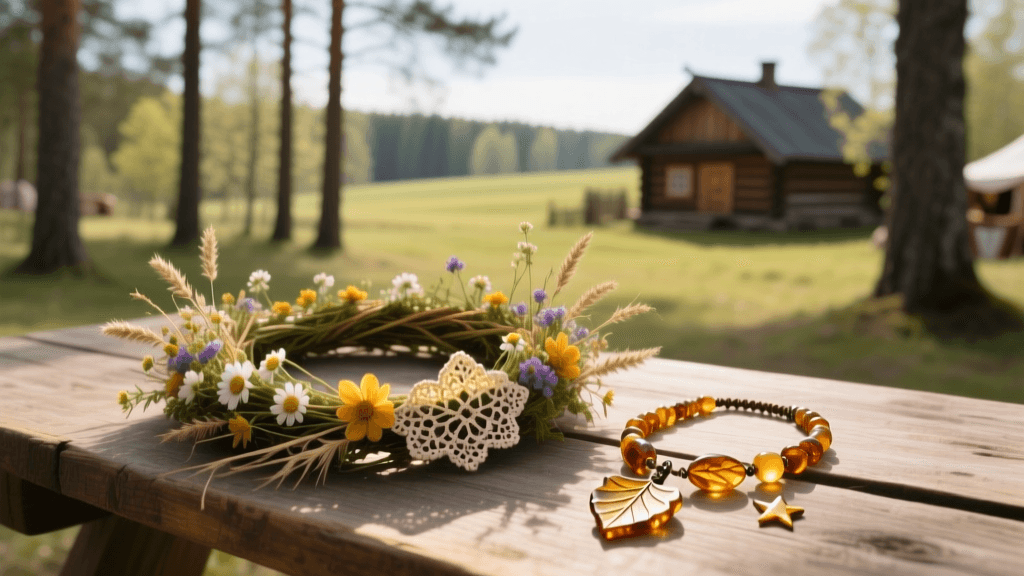
The Vinok is far more than a decorative headpiece; it is a profound cultural artifact. Historically worn by unmarried women across Ukraine, Belarus, and parts of Poland and Russia, the Vinok served as a marker of maidenhood, spiritual purity, and connection to the natural world. According to the Encyclopedia of Ukraine, the tradition of weaving floral crowns dates back to pre-Christian agrarian rituals, where the circular shape symbolized the sun, eternity, and the unbroken cycle of life. In 2026, the Vinok has been widely embraced as a symbol of cultural resilience and feminine empowerment, frequently seen at Midsummer (Ivan Kupala) celebrations and contemporary folk music festivals.
Floral Symbolism and Ribbon Weaving
An authentic Vinok is never assembled randomly. Every flower and herb woven into the crown carries specific ethnobotanical meaning. In 2026, botanical accuracy is highly prized among traditionalists. Key flora includes:
- Cornflower (Centaurea cyanus): Represents holiness, purity, and the beauty of the native landscape.
- Poppy (Papaver rhoeas): Symbolizes youth, fleeting beauty, and ancestral remembrance.
- Chamomile (Matricaria chamomilla): Denotes peace, tenderness, and health.
- Periwinkle (Vinca minor): The foundational greenery of the crown, representing eternal life and unwavering love.
Equally important are the silk ribbons that trail from the back of the Vinok. Traditionally, these ribbons should be cut to a length that grazes the wearer's shoulder blades. The colors are strictly codified: white for purity, red for joy and life force, and blue for spiritual clarity. Modern 2026 interpretations often utilize hand-dyed, ethically sourced silk ribbons to elevate the garment's tactile quality.
Baltic Amber: The Gold of the North
While the Vinok crowns the head, Baltic amber adorns the neck and wrists. Known as the "Gold of the North," Baltic amber is fossilized tree resin dating back over 40 million years. In Slavic and Baltic folklore, amber was believed to possess powerful protective and healing properties, often worn as amulets to ward off the evil eye and cure ailments of the throat and thyroid. Today, the International Amber Association strictly regulates the classification and trade of this precious material, ensuring that buyers in 2026 can distinguish between natural succinite and synthetic imitations.
2026 Sourcing and Ethical Amber Cooperatives
The amber market has evolved significantly. In 2026, there is a massive consumer shift toward ethically sourced, unpolished "raw" amber that highlights natural botanical and insect inclusions. Artisan cooperatives in Lithuania and Poland have pioneered transparent supply chains, allowing folk dress enthusiasts to purchase directly from small-scale miners and polishers. When sourcing amber for traditional multi-strand necklaces (often called namysto), buyers are prioritizing irregular, teardrop-shaped beads over perfectly spherical, machine-cut ones, as the former reflects the authentic, hand-carved aesthetics of the 18th and 19th centuries.
Material Comparison: Amber Types for Folk Jewelry
When assembling a traditional folk dress ensemble in 2026, selecting the correct grade of amber is crucial for both historical accuracy and budget management. Below is a comparison of the primary amber types available on the current market.
| Amber Type | Visual Characteristics | 2026 Market Price (per strand) | Best Use in Folk Dress |
|---|---|---|---|
| Raw / Unpolished | Matte, cloudy, natural inclusions, irregular shapes | €45 - €65 | Authentic historical replicas, protective amulets, daytime festival wear |
| Polished / Tumbled | Glossy, transparent, honey to cognac hues | €80 - €120 | Statement necklaces, formal folk weddings, stage performances |
| Pressed / Reconstructed | Uniform, highly transparent, lacks natural inclusions | €20 - €35 | Everyday folk-inspired jewelry, budget crafting, theatrical costumes |
Step-by-Step: Crafting a Traditional Vinok
Creating a durable, authentic Vinok for the 2026 festival season requires a departure from flimsy plastic headbands. True folk crowns are engineered to withstand hours of dancing and outdoor wear. Follow this actionable guide to construct your own:
- Construct the Base: Cut a length of 18-gauge floral wire to match the circumference of your head, adding two inches for overlap. Wrap the wire entirely in green floral tape to prevent it from snagging hair and to provide a grip for the stems.
- Prepare the Botanicals: If using fresh flowers, condition them in water overnight. For 2026 festivals, many crafters opt for high-quality preserved botanicals or premium silk replicas to ensure the crown survives multi-day events. Wire each individual flower head with 24-gauge paddle wire, leaving a two-inch stem.
- Weave the Foliage: Begin by tightly binding sprigs of periwinkle or myrtle around the entire wire base. This creates the lush, green foundation that represents eternal life.
- Attach the Blooms: Layer your focal flowers (poppies, cornflowers, chamomile) densely along the front and sides of the crown. The traditional aesthetic requires the flowers to sit flat and dense against the forehead, almost like a vibrant halo. Secure each stem tightly with floral tape.
- Integrate the Ribbons: Cut 12 to 15 silk ribbons, each approximately 70cm long. Gather them at the top and stitch or wire them securely to the very back center of the crown, ensuring they cascade evenly down the wearer's back.
Styling Headwear and Amber for Modern Festivals
Integrating these historical accessories into a 2026 wardrobe requires a balance of reverence and contemporary styling. The safeguarding of such practices is increasingly recognized as vital to cultural continuity, aligning with the principles of UNESCO Intangible Cultural Heritage. To avoid looking like a theatrical caricature, pair a densely woven, botanically accurate Vinok with a minimalist, unembroidered linen vyshyvanka (traditional shirt). Let the crown provide the color and volume.
For the amber jewelry, layering is key to the modern folk aesthetic. Combine a tight, choker-style strand of raw, matte amber beads with two longer strands of polished cognac amber that rest on the collarbone. This multi-tiered approach mimics the heavy, wealth-displaying necklaces of historical Slavic matriarchs while feeling fresh and bohemian. Whether you are attending the grand Midsummer bonfires in Latvia or a contemporary folk-fusion concert in Kyiv, mastering the art of the Vinok and Baltic amber ensures you are participating in a living, breathing tradition that continues to evolve beautifully in 2026.