Sardinian Orbace Wool Coats: 2026 Heritage Brand Guide
The Enduring Legacy of Sardinian Orbace Wool
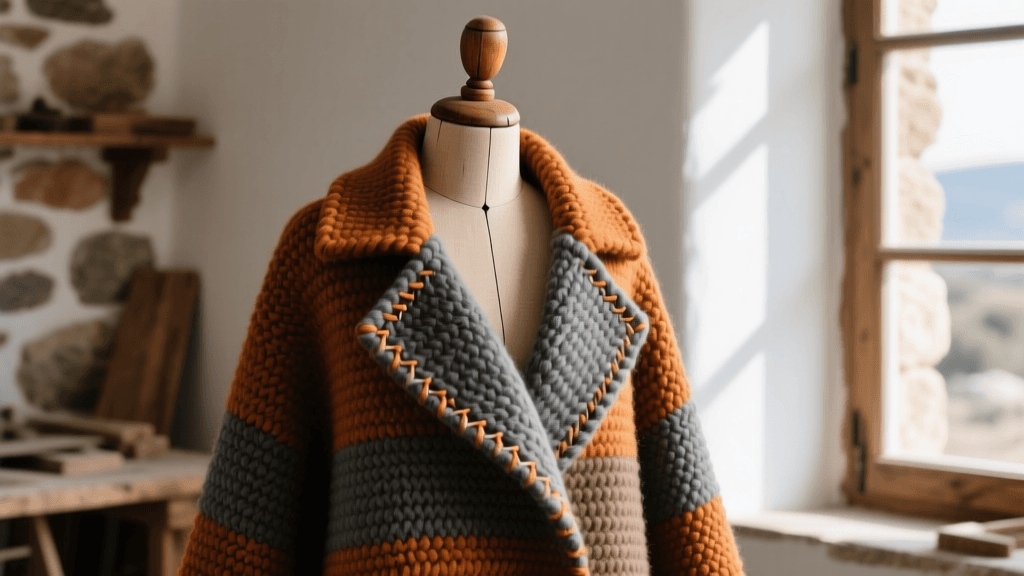
When discussing the most resilient and culturally significant textiles in European folk dress, few materials command the respect of Sardinian Orbace. Native to the rugged, mountainous interior of Italy’s second-largest island, Orbace is a coarse, hand-woven wool that has protected Sardinian shepherds from harsh Mediterranean winters for centuries. As of 2026, the global shift toward sustainable, traceable, and artisan-made heritage garments has sparked a massive revival in traditional costume sardo (Sardinian dress). Discerning collectors and advocates of slow fashion are now seeking out authentic Orbace wool coats, particularly the iconic mastruca (shepherd’s coat), directly from the island's master weavers and heritage cooperatives.
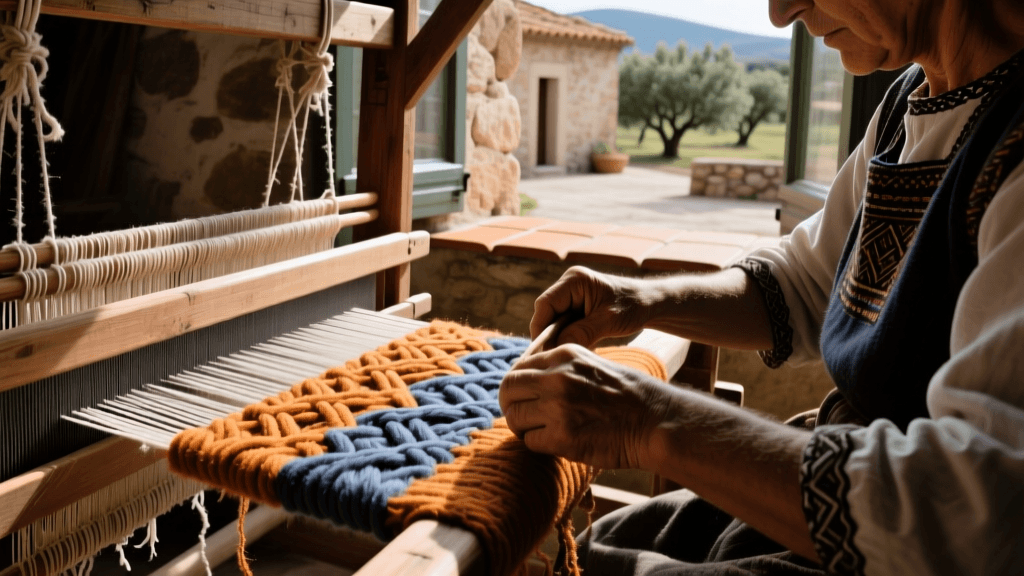
Unlike the mass-produced rustic wools that flood the contemporary outerwear market, genuine Orbace is intrinsically linked to the terroir of Sardinia. It is spun from the fleece of indigenous sheep breeds, woven on traditional horizontal treadle looms, and finished in ancient water-powered fulling mills. In this comprehensive 2026 guide, we explore the anatomy of these remarkable garments, highlight the heritage brands keeping the tradition alive, and provide a practical buyer’s chart to help you distinguish authentic artisan pieces from modern imitations.
The Anatomy of the Mastruca: Sardinia’s Iconic Shepherd Coat
The mastruca (also known regionally as su saccu or pelliccia) is the quintessential outer garment of the Sardinian pastoralist. Historically, it was a symbol of the shepherd's identity, crafted to be entirely waterproof and windproof without the use of modern synthetic membranes. The secret to its legendary weather resistance lies not just in the wool, but in the meticulous finishing process.
The Gualchiera: Water-Powered Fulling
After the Orbace cloth is woven, it is remarkably stiff and porous. To transform it into a weatherproof shell, it must be fulled. In Sardinia, this is traditionally done using a gualchiera—a water-powered fulling mill that utilizes heavy wooden hammers to pound the woven wool while it is soaked in warm water and natural alkaline soaps. This violent mechanical action causes the wool fibers to shrink, mat, and interlock tightly, creating a dense, felt-like fabric that repels rain and blocks freezing winds. According to the Istituto Superiore Regionale Etnografico (ISRE), the preservation of these historic fulling mills is a primary focus of Sardinian cultural heritage initiatives in 2026, ensuring that the mechanical finishing of Orbace remains entirely traditional.
2026 Heritage Brands and Artisan Cooperatives
Purchasing an authentic Orbace garment in 2026 requires navigating a landscape of genuine artisan cooperatives and opportunistic commercial brands. The true guardians of this textile tradition are often small, women-led weaving cooperatives and state-supported artisan networks. Here are the premier sources for authentic Sardinian wool garments this year.
1. Tessitura Artigianale di Samugheo
Located in the mountainous Barbagia region, the Samugheo Weaving Cooperative is arguably the most famous textile collective in Sardinia. Comprised of master weavers who have inherited their patterns and techniques through generations, the cooperative specializes in heavy wools and intricate tapestry weaves. In 2026, they released a limited capsule collection of modernized Orbace capes and mastruca coats tailored for urban wear. By slightly refining the yarn gauge, they have maintained the water-resistant properties of the fabric while reducing the overall weight, making it suitable for contemporary layering. Garments from Samugheo are highly sought after, with custom commissions currently experiencing a six-month waitlist.
2. The ISRE-Certified Artisan Network
The Sardegna Turismo Official Heritage Guide highlights the importance of purchasing from ISRE-certified artisans to guarantee authenticity. The ISRE (Istituto Superiore Regionale Etnografico) provides a mark of authenticity to tailors and weavers who strictly adhere to historical construction methods. In 2026, tailors in the Nuoro province operating under this certification are producing bespoke gabbani (hooded cloaks) using naturally dyed Orbace. They utilize traditional botanical dyes, such as walnut husks for deep browns and madder root for muted reds, ensuring the garments are entirely eco-friendly and historically accurate.
3. Cooperativa Artigianale di Oristano
While Oristano is often celebrated for its fine linen and cotton weaving, several affiliated artisan workshops have recently pivoted to reviving heavy winter wools to meet the surging 2026 demand for heritage outerwear. These workshops focus on the costume sardo of the Campidano plains, producing lighter, intricately embroidered Orbace vests and short jackets that pair beautifully with modern trousers. Their integration of gold and silver filigree thread into the wool collars represents a luxurious evolution of traditional folk dress.
2026 Buyer’s Comparison: Authentic Orbace vs. Imitations
As the popularity of European folk dress has grown, so has the market for counterfeit or mass-produced 'rustic' wool. Use the table below to evaluate potential purchases and ensure you are investing in genuine Sardinian heritage.
| Feature | Authentic Heritage Orbace (2026) | Mass-Market 'Rustic' Wool | Synthetic Blend Imitation |
|---|---|---|---|
| Material Origin | 100% Native Sardinian Sheep Wool | Imported Merino or Crossbreeds | Polyester/Recycled Wool Mix |
| Weave & Finish | Hand-loomed, water-fulled (Gualchiera) | Machine-woven, chemically treated | Machine-knitted, synthetic coating |
| Water Resistance | Natural (High Lanolin + Dense Fulling) | Moderate (Requires DWR Sprays) | High (But traps sweat/odors) |
| Traceability | Fully traceable to specific flocks/mills | Opaque global supply chain | Opaque, petroleum-based inputs |
| 2026 Price Range | €850 - €2,400 (Bespoke/Cooperative) | €250 - €600 (Retail Outerwear) | €90 - €200 (Fast Fashion) |
Styling the Mastruca in 2026
Integrating a traditional Sardinian shepherd’s coat into a modern wardrobe requires an understanding of proportion and texture. The mastruca is inherently voluminous, designed to be worn over multiple layers in freezing mountain conditions. For contemporary styling in 2026, fashion historians and stylists recommend treating the Orbace coat as the ultimate statement piece. Pair a dark brown, fulled Orbace cape with slim-fitting, raw-denim trousers and leather lace-up boots. The coarse, matte texture of the wool contrasts beautifully with sleek, modern fabrics. For women, the traditional scialle (shawl) woven from finer Orbace yarns can be draped over structured silk dresses, bridging the gap between rugged pastoral heritage and high-end evening wear.
Care and Maintenance of Coarse Heritage Wools
Authentic Orbace is incredibly durable, but its natural lanolin content and hand-loomed structure require specific care. Never machine-wash a fulled Orbace garment; the agitation and heat will cause catastrophic, irreversible shrinking. Instead, rely on the wool’s natural self-cleaning properties. Lanolin naturally repels dirt and odors. After wearing the coat, simply air it out in a cool, dry, and well-ventilated space. For localized stains, use a damp cloth and a mild, pH-neutral wool soap, dabbing gently without rubbing. At the end of the winter season, store the garment in a breathable cotton canvas bag with natural cedar blocks to deter moths, avoiding plastic garment bags which can trap moisture and degrade the natural oils in the wool.
Sourcing and Ethical Considerations
The revival of Sardinian Orbace is not just a fashion trend; it is a vital economic lifeline for rural Sardinian communities. By purchasing directly from cooperatives like the Tessitura Artigianale di Samugheo or ISRE-certified tailors, consumers are directly funding the maintenance of historic looms, the upkeep of ancient water mills, and the fair compensation of master artisans. As we move through 2026, the emphasis in European folk dress has shifted entirely from mere aesthetic appreciation to active cultural preservation. Investing in an authentic Orbace wool coat is an investment in the survival of one of Europe’s most fascinating and resilient textile traditions.