Authentic Viking Smokkr Apron Dresses: 2026 Sourcing Guide
The Resurgence of Norse Folk Dress in 2026
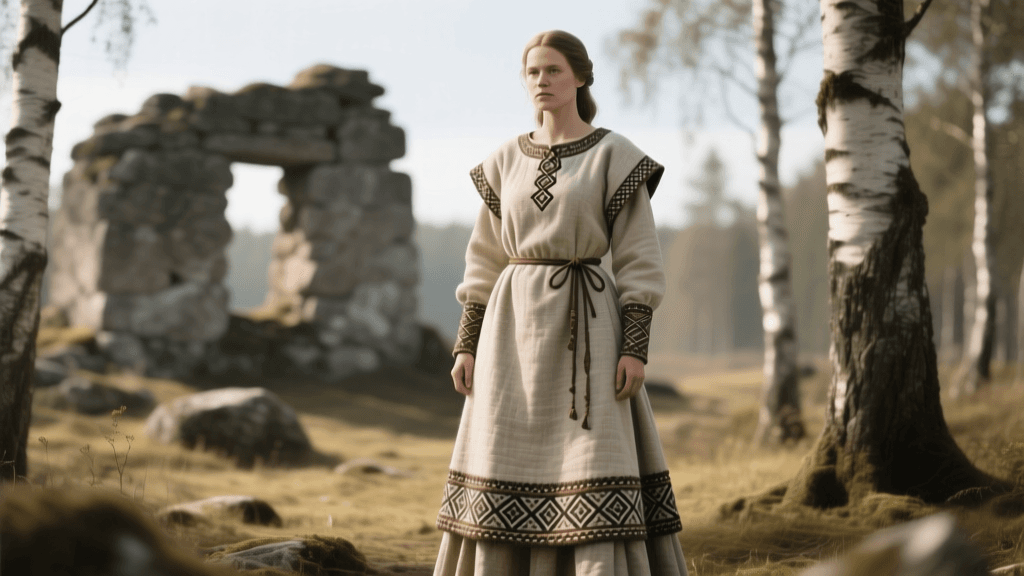
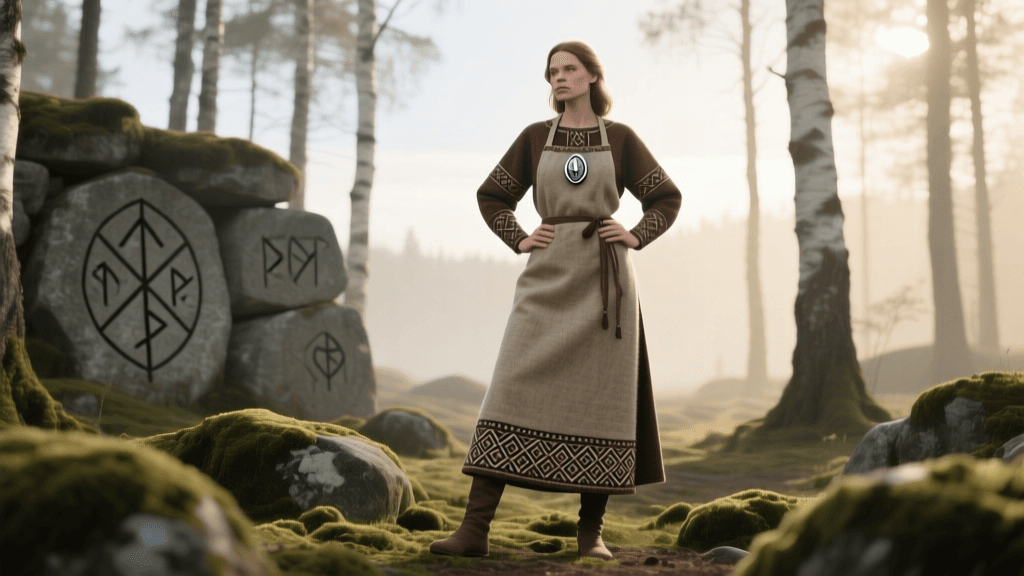
As we navigate the cultural landscape of 2026, the appreciation for European folk dress has evolved from superficial costuming to a deep, research-driven dedication to historical accuracy. Within the Celtic, Nordic, and Viking traditional garment sphere, no piece of clothing commands as much respect and fascination as the Norse smokkr, commonly referred to as the Viking apron dress or hangeroc. This iconic garment, worn by women across Scandinavia and Norse settlements from the 8th to the 11th centuries, represents a masterclass in functional, zero-waste textile engineering.
For modern practitioners, historical reenactors, and folk dress enthusiasts, building an authentic Norse wardrobe in 2026 requires navigating a specialized market of artisan weavers, natural dyers, and metalsmiths. This guide provides a comprehensive breakdown of how to source, construct, and style an authentic Viking smokkr using historically verified materials and techniques.
Archaeological Foundations: What the Fragments Tell Us
To understand the smokkr, we must look to the archaeological record. Because wool and linen degrade rapidly in most soil conditions, complete garments are exceedingly rare. However, textile fragments found in high-status burials provide crucial blueprints. According to the National Museum of Denmark, the Viking Age wardrobe was highly stratified, with the quality of the weave and the vibrancy of the dyes signaling social status and regional wealth.
The most famous smokkr fragments come from Kostrup in Funen, Denmark, and the harbor of Hedeby. The Kostrup find is particularly vital because it preserves the top edge of the apron dress, revealing a pleated front panel and a beautifully preserved tablet-woven band used as a decorative trim. Research compiled by Hurstwic highlights that the typical Viking woman's attire consisted of a linen underdress (serk) overlaid by the wool smokkr, suspended by loops from a pair of oval tortoise brooches at the shoulders.
Sourcing Authentic Wools in the 2026 Market
The foundation of any authentic Nordic folk dress is the textile. In 2026, the historical reenactment community has largely rejected modern, machine-knitted costume wools in favor of hand-woven or traditionally shuttle-woven fabrics that mimic the drape and texture of the Viking Age.
Diamond Twill vs. Tabby Weave
The two most historically accurate weaves for a Norse smokkr are diamond twill and tabby (plain) weave. Diamond twill was a luxury fabric, often imported from Frisia or woven by highly skilled Scandinavian artisans. It features a distinctive geometric pattern that catches the light beautifully. Tabby weave, a simple over-under pattern, was the workhorse textile of the era, used for everyday garments.
When sourcing these fabrics in 2026, look for mills in Iceland, Norway, and Denmark that still utilize heritage sheep breeds like the Spelsau, Shetland, or Icelandic sheep. These breeds produce a dual-coated fleece with a long, water-resistant outer layer (tog) and a soft, insulating inner layer (thel), perfectly replicating the yarns spun a millennium ago.
| Fabric Type | Historical Accuracy | 2026 Avg Price (per meter) | Best Use Case |
|---|---|---|---|
| Diamond Twill | High (Elite/Wealthy) | $85 - $120 | Outer Smokkr, Winter Caftans |
| Tabby Weave | High (Everyday) | $45 - $65 | Everyday Smokkr, Wool Serk |
| Herringbone | Moderate | $50 - $75 | Cloaks, Mantles |
| Bleached Linen | High (Underdress) | $25 - $40 | Serk (Underdress) |
Natural Dyes: Achieving Historical Colorfastness
The Viking Age was not a drab, monochromatic era. Archaeological analysis of textile fragments reveals a vibrant palette achieved through natural dyes. In 2026, artisan dyers are achieving remarkable colorfastness using historical mordants like alum and clubmoss. Madder root produces rich reds and oranges, woad yields deep blues, and weld creates brilliant yellows. When sourcing wool for your smokkr, prioritize fabrics dyed with these botanical sources over synthetic chemical dyes, as the subtle variations in natural dye lots give the garment an authentic, living texture that synthetic fabrics simply cannot replicate.
The Art of Tablet Weaving and Trims
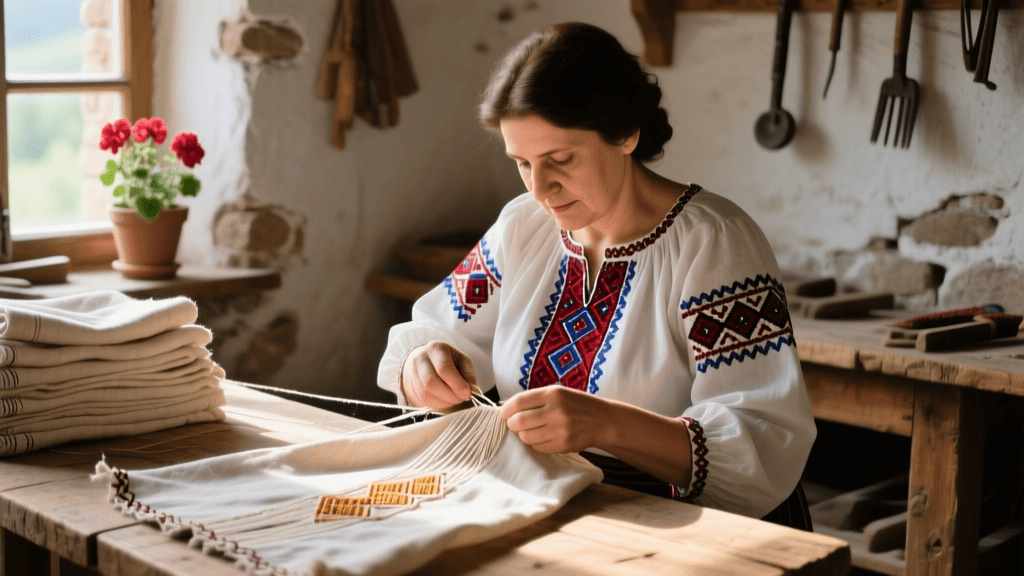
No Viking smokkr is complete without its trim. The Kostrup fragment proves that tablet-woven bands were not merely decorative but structural, used to reinforce the top edge of the apron dress and hide the raw seams. Tablet weaving is an ancient technique where threads are passed through holes in small square cards (tablets), which are then rotated to create intricate, warp-faced patterns.
In 2026, you can source authentic tablet-woven trims from specialized artisans on platforms dedicated to historical crafts, or you can take up the craft yourself. The Oseberg ship burial in Norway yielded some of the most complex tablet-woven bands ever discovered, featuring intricate knotwork and animal motifs. For a modern smokkr, a simple geometric diamond or chevron pattern woven in madder and woad dyed wool yarn provides a stunning, historically grounded contrast to the natural brown or grey of the base wool.
Oval Brooches and Linen Underdresses
The smokkr is a suspended garment, meaning it relies entirely on its shoulder straps and the hardware that holds them. The iconic Viking oval brooches, often called tortoise brooches due to their domed shape, are essential. In 2026, artisan metalsmiths are casting these brooches using traditional lost-wax methods in bronze or brass, avoiding the historically inaccurate cheap pewter or zinc alloys found in mass-market costume shops. When sourcing brooches, ensure the pin mechanism is robust and the metal has a high copper content to develop a proper historical patina.
Beneath the smokkr lies the serk, or underdress. While the smokkr is wool, the serk was almost exclusively made of linen. Sourcing heavily bleached, lightweight linen is crucial for the underlayer. In 2026, Eastern European linen mills, particularly those in Lithuania and Belarus, are producing exceptional heritage linens that are retted in the field and woven on traditional looms, offering a drape and texture that perfectly mirrors early medieval textiles.
Construction Techniques for the Modern Maker
If you are sewing your own smokkr in 2026, the construction methods are just as important as the materials. The Viking Age tailor did not have access to modern sergers or zigzag stitches. All seams must be finished to prevent fraying. The most common historical seams include:
- Flat-Felled Seams: Encloses the raw edges of the fabric within the seam itself, providing immense durability and a clean finish on both the inside and outside of the garment.
- Running Stitch with Backstitch Reinforcement: Use a fine, waxed linen or silk thread for structural seams, employing a running stitch that is periodically reinforced with a backstitch for tension points like the armholes and strap attachments.
- Wool Needle Weaving: Instead of cutting fabric and sewing pieces together, many Viking garments were woven to shape on a warp-weighted loom. While replicating this in 2026 is a massive undertaking, you can mimic the aesthetic by using selvedge edges wherever possible and avoiding unnecessary cuts.
Styling Your Norse Wardrobe for Contemporary Festivals
Wearing a smokkr in 2026 extends beyond the reenactment camp; many enthusiasts incorporate elements of Nordic folk dress into modern winter wardrobes and cultural festivals. To style the smokkr for contemporary wear while maintaining historical integrity, layer it over a high-necked, long-sleeved linen serk. Add a woven wool shawl or a rectangular cloak fastened with a simple penannular brooch for warmth.
Accessories should remain functional and grounded in the archaeological record. Leather turnshoes, woven wool leg wraps (winingas), and a simple linen headscarf or knotted kerchief complete the silhouette. Avoid the anachronistic leather corsets, horned helmets, and excessive fur trims that plague modern media representations of Viking culture.
Conclusion: Honoring the Textile Heritage
The Norse smokkr is more than a historical costume; it is a testament to the ingenuity, artistry, and resilience of Viking Age women. By prioritizing authentic diamond twills, natural dyes, tablet-woven trims, and historically accurate construction techniques, we ensure that the legacy of European folk dress is preserved with the respect it deserves. As the market for heritage textiles continues to grow in 2026, there has never been a better time to weave, sew, and wear the history of the North.