Bunad vs Dirndl: 2026 Guide to Nordic and Alpine Folk Dress
The 2026 Renaissance of European Folk Dress
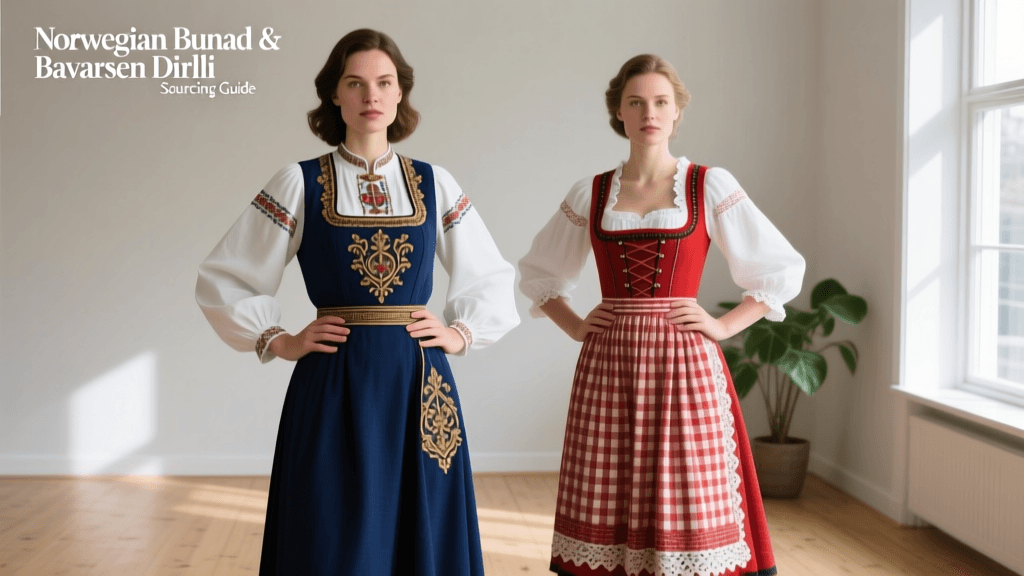
As we move through 2026, the global appreciation for traditional European folk dress has evolved from niche historical reenactment into a vibrant, living cultural movement. Across the continent, heritage festivals, national holidays, and even contemporary weddings are seeing a massive resurgence in authentic regional garments. Two of the most iconic and highly sought-after traditions dominating this revival are the Norwegian Bunad and the Bavarian Dirndl (alongside its broader Tracht category). However, sourcing these garments requires navigating a complex landscape of historical societies, master tailors, and strict regional guidelines.
For enthusiasts, expatriates, and cultural historians looking to invest in authentic pieces for the 2026 festival season—whether for Norway’s Syttende Mai (Constitution Day) or Munich’s legendary Oktoberfest—understanding the distinct differences, sourcing protocols, and pricing structures is essential. This comprehensive guide breaks down everything you need to know about acquiring and styling Nordic and Alpine folk dress this year.
The Norwegian Bunad: Heritage, Rules, and Sourcing
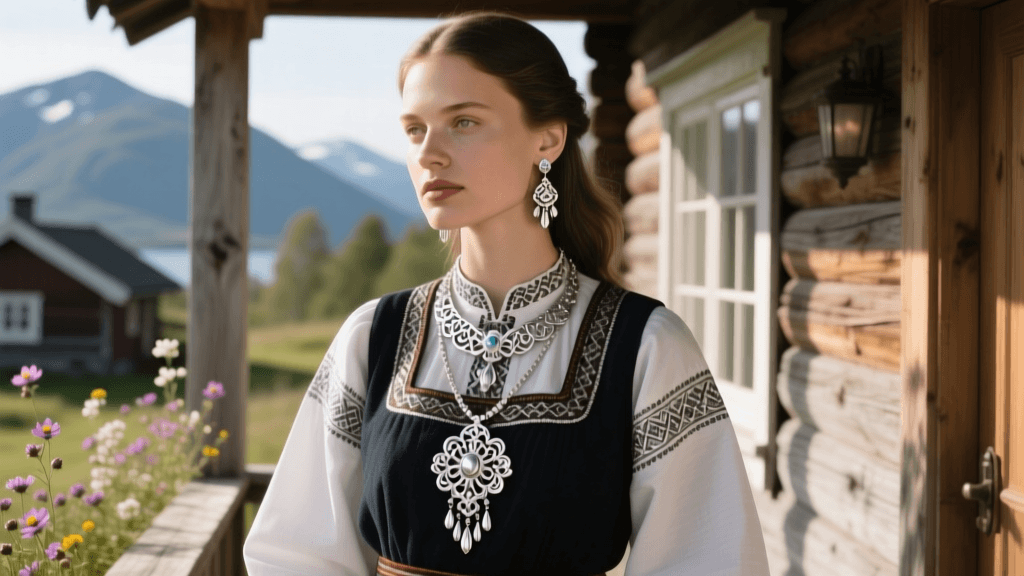
The Bunad is not merely a costume; it is a meticulously reconstructed folk dress rooted in Norway’s rural history, specifically the romantic nationalism movement of the late 19th and early 20th centuries. Unlike mass-produced festival wear, a true Bunad is heavily regulated by local craft councils and the Norsk Institutt for Bunad og Folkedrakt (NIF). Every stitch, fabric weight, and silver ornament must conform to the specific historical records of a designated Norwegian valley or region.
Understanding the Bunad System in 2026
If you wish to acquire an authentic Bunad in 2026, you cannot simply order one online in your size. The process is deeply personal and community-driven. Most buyers work directly with a local Husflidslag (Norwegian craft association) or an authorized Husfliden retail store. You must first determine your regional affiliation—traditionally based on where you were born, where your family originates, or where you currently reside.
- The Hardangerbunad: Known as the "first" Bunad, featuring intricate whitework embroidery and dramatic black, red, and white wool. In 2026, a complete women's Hardangerbunad costs between 45,000 and 55,000 NOK (approx. $4,200–$5,100 USD).
- The Nordlandsbunad: Originating from Nordland county, this is one of the most popular and universally accepted Bunads, featuring rich blue wool with vibrant floral embroidery. Expect to pay around 40,000 NOK ($3,700 USD) for the textile components alone.
- Bunadsølv (Silver Jewelry): The silver is just as important as the wool. A complete set of oxidized or polished silver—including the sølje (brooch), belt buckles, and cufflinks—adds an additional 15,000 to 25,000 NOK ($1,400–$2,300 USD) to your 2026 investment.
Lead Times and Custom Tailoring
Because each Bunad is custom-woven, hand-embroidered, and tailored to your exact measurements, the lead time in 2026 is typically 8 to 14 months. If you are planning to wear your Bunad for the May 17th celebrations, you must initiate your consultations and measurements by early spring of the previous year. The Norsk Folkemuseum in Oslo frequently hosts exhibitions detailing the evolution of these textiles, providing excellent visual references for buyers deciding between regional variations.
The Bavarian Dirndl and Alpine Tracht
While the Norwegian Bunad is governed by strict historical reconstruction, the Bavarian and Austrian Tracht (traditional dress) is a more fluid, living tradition that balances historical accuracy with contemporary haute couture. The Dirndl is the female counterpart to the male Lederhosen, originating as the workwear of Alpine maidservants before being adopted by the upper classes in the late 19th century. Today, the Bayerischer Trachtenverband works to preserve the integrity of regional Tracht against the flood of cheap, mass-market "costumes."
Anatomy of an Authentic 2026 Dirndl
A true Dirndl is a masterpiece of tailoring, consisting of four distinct components. When sourcing from reputable ateliers in Munich, Salzburg, or Innsbruck, expect the following construction standards:
- The Mieder (Bodice): Structured with boning or heavy interfacing, it fastens with hooks, eyes, or a lacing ribbon. High-end 2026 models use silk brocade, linen, or fine wool.
- The Rock (Skirt): Finely pleated and gathered at the waist. Authentic lengths are strictly regulated by tradition: Mini is frowned upon in conservative Tracht circles, while Midi (falling mid-calf) and Lang (ankle-length) are the standard for formal and church events.
- The Schürze (Apron): Made of silk, cotton, or linen, the apron is the most crucial communicative element of the dress (see the styling section below).
- The Bluse (Blouse): Worn underneath the bodice, typically made of crisp white cotton, batiste, or linen, featuring varying necklines from modest high collars to traditional sweetheart cuts.
Sourcing and Pricing in 2026
The market for authentic Dirndls in 2026 is bifurcated into everyday Landhausmode and formal Seidendirndl (silk Dirndls). For a high-quality, custom-tailored silk Dirndl from a master Dirndlschneiderei (Dirndl tailor), prices range from €1,200 to €2,800. Hand-finished details, such as Froschgoscherl (tiny folded fabric pipings) and antique horn or silver buttons, are the hallmarks of a genuine 2026 investment piece.
Comparative Analysis: Bunad vs. Dirndl
To help you decide which tradition aligns with your heritage or collecting goals, refer to this 2026 comparison chart:
| Feature | Norwegian Bunad | Bavarian/Austrian Dirndl |
|---|---|---|
| Primary Purpose | Formal national dress, weddings, Constitution Day | Festivals, weddings, church, cultural events |
| Design Flexibility | Strictly regulated; no personal alterations allowed | Highly flexible; seasonal colors and fabrics change |
| Base Materials | Heavy wool, linen, silk embroidery threads | Silk, cotton, linen, wool, brocade |
| Average Cost (2026) | $4,500 - $7,500 USD (including silver) | $1,300 - $3,000 USD (for bespoke silk sets) |
| Lead Time | 8 to 14 months | 2 to 6 months (or off-the-rack for standard sizes) |
| Apron Significance | Indicates specific regional valley/origin | Bow placement indicates relationship status |
Styling, Accessories, and the "Apron Code"
Wearing these garments correctly is just as important as sourcing them. Both traditions have strict rules regarding footwear, outerwear, and jewelry.
The Dirndl Apron Bow Code
In Alpine culture, the way you tie your Dirndl apron bow (Schürzenschleife) broadcasts your relationship status to the room. In 2026, this code is still strictly observed at traditional Trachtenvereine (folk clubs) and major beer tents:
- Bow on the Left: Single and available.
- Bow on the Right: Married, engaged, or in a committed relationship.
- Bow in the Center (Front): Traditionally signifies virginity, though today it is often worn by young girls or those who simply prefer the symmetry.
- Bow in the Center (Back): You are widowed, or you are working as a waitress/server at the festival.
Footwear and Outerwear
For the Bunad, women wear specific black leather shoes with silver buckles, often paired with hand-knit wool socks featuring regional patterns. Men wearing a Mannsbunad wear knee-high wool socks and traditional silver-buckled shoes. For the Dirndl, women pair their dresses with Trachtenschuhe (low-heeled, sturdy leather shoes) or elegant velvet pumps. Men wearing Lederhosen must wear Haferlschuhe (traditional Alpine side-laced shoes) with thick, calf-high wool socks (Loferl). Never pair authentic Tracht with modern sneakers or hiking boots.
2026 Trends: Sustainability and Artisan Revival
A major trend defining the European folk dress market in 2026 is the push toward hyper-local sustainability. Buyers are increasingly demanding traceability for their textiles. In Norway, there is a massive revival of heritage sheep breeds, such as the Spælsau, to provide authentic, durable wool for Bunad weaving. Similarly, in Bavaria and Austria, master weavers are returning to natural plant dyes and locally sourced Alpine flax for linen blouses and aprons, rejecting the synthetic imports that flooded the market in the previous decade.
Investing in these garments is no longer just about preserving history; it is about sustaining rural European economies. By purchasing directly from certified Husflid artisans or master Schneidermeister (master tailors), you are funding the apprenticeships that will keep these ancient textile techniques alive for the next generation.
Conclusion
Whether you are drawn to the stoic, silver-adorned majesty of the Norwegian Bunad or the elegant, adaptable charm of the Bavarian Dirndl, acquiring authentic European folk dress in 2026 is a rewarding journey into the heart of regional identity. By respecting the historical guidelines, budgeting for true artisan craftsmanship, and understanding the cultural nuances of how these garments are worn, you ensure that your investment will become a cherished family heirloom, ready to be passed down through generations of heritage celebrations.