Bavarian Schuhplattler Tracht: 2026 Alpine Folk Dance Festival Guide
The Revival of Schuhplattler: 2026 Alpine Festival Season
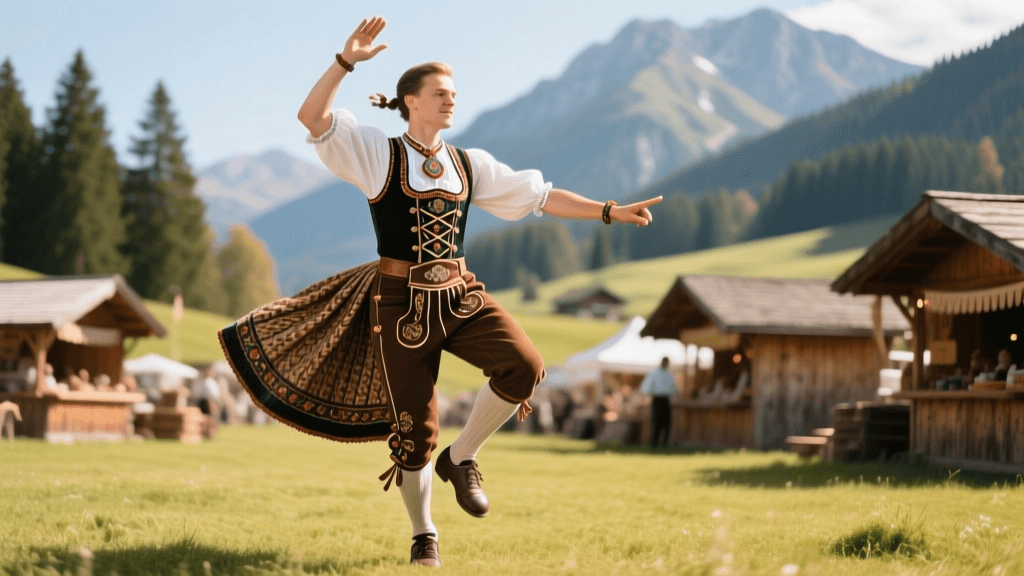
As we enter the 2026 Alpine festival season, the distinction between a commercial party costume and authentic traditional dress has never been more pronounced. Across Bavaria, Tyrol, and Salzburg, the Gaufeste (regional folk festivals) are experiencing a massive resurgence in youth participation. At the heart of these festivals is the Schuhplattler, a vigorous, rhythmic folk dance characterized by stomping, clapping, and the rhythmic slapping of thighs, knees, and shoes. To perform this dance safely and authentically, participants require specialized garments that allow for extreme mobility while adhering to strict historical guidelines.
According to the Trachteninformationszentrum (Tracht Information Center) in Benediktbeuern, the modern revival of alpine folk dress is heavily focused on sustainability, regional sourcing, and historical accuracy. In 2026, fast-fashion dirndls and mass-produced leather shorts are actively discouraged at official Trachtenvereine (traditional dress clubs) events. Instead, dancers are investing in bespoke, dance-ready tracht that honors the textile heritage of the Alps while withstanding the intense physical demands of the Plattler dance.
Anatomy of the Dance-Ready Dirndl
A dirndl designed for folk dance is fundamentally different from a static fashion dirndl worn at a beer tent. The construction must accommodate high kicks, deep squats, and rapid spins without compromising the structural integrity of the garment.
The Mieder (Bodice) and Bluse (Blouse)
The bodice of a dance dirndl must be reinforced with steel or heavy synthetic boning to provide back support during vigorous movement, yet it must feature flexible gussets under the arms. In 2026, traditional tailors are utilizing breathable, natural linen-cotton blends for the Bluse (blouse) worn underneath. Unlike the stiff polyesters of the past decade, modern authentic blouses incorporate subtle elastane panels in the shoulders to prevent tearing when dancers raise their arms during the Drehen (spinning) sequences.
The Rock (Skirt) and Schürze (Apron)
The most critical component for a female dancer is the skirt. A proper dance skirt requires a minimum circumference of 3.5 to 4 meters of fabric, heavily pleated and weighted at the hem. This weight is essential; when the dancer spins, the centrifugal force causes the skirt to flare out perfectly, creating the iconic bell shape that judges look for at the 2026 Gaufeste. The Schürze (apron) must be tied using the traditional bow code (left for single, right for taken, center for virgins/young girls, and back for widows), and it must be cut slightly shorter than the skirt to prevent tripping during complex footwork.
The Crucial Role of Hirschleder in Men's Tracht
For male dancers, the Kurze Lederhose (short leather breeches) is mandatory. The long Bundhose (knee-breeches) restricts the knee movement required for the deep squats and stomps of the Schuhplattler. However, the material of the shorts is just as important as the cut.
Authentic dance Lederhosen must be crafted from sämisch gegerbtes Hirschleder (brain-tanned deer leather). Cowhide or goat leather, which are common in commercial tourist-shop Lederhosen, are entirely unsuitable for the Plattler. Cowhide is too stiff and will cause severe bruising on the dancer's thighs during the repetitive slapping sequences. Deer leather, conversely, is incredibly supple, breathable, and durable. According to archives maintained by the Österreichisches Volksliedwerk, the acoustic properties of well-worn deer leather also contribute to the crisp, sharp sound required to keep time with the folk orchestra's zithers and bass viols.
Sourcing Authentic Tracht for the 2026 Season
Sourcing a dance-ready outfit requires planning. Bespoke tailors in Upper Bavaria and Tyrol often have waiting lists stretching up to eight months. Below is a comparison of the 2026 market landscape for sourcing authentic dance tracht.
| Category | Material Quality | Dance Suitability | 2026 Price Range (EUR) | Lead Time |
|---|---|---|---|---|
| Mass-Market / Festival Stalls | Polyester blends, cowhide or PU leather | Poor (restrictive, high tear risk, bruising) | €80 - €250 | Immediate |
| Mid-Tier Tracht Boutiques | Cotton/wool blends, goat or basic deer leather | Moderate (acceptable for casual dancing) | €400 - €900 | 2 - 4 Weeks |
| Bespoke Trachtenschneiderei | Hand-woven wool, sämisch gegerbtes Hirschleder | Excellent (custom gussets, weighted hems, acoustic leather) | €1,500 - €3,500+ | 6 - 10 Months |
For serious dancers competing in the 2026 regional championships, investing in a bespoke Trachtenschneiderei is non-negotiable. These master tailors take over 20 distinct measurements, including the specific muscle swell of the thigh, to ensure the Lederhosen fit perfectly both at rest and in deep squat positions.
Footwear and Accessories for Vigorous Folk Dance
No dance tracht is complete without the proper footwear. For men, the traditional Haferlschuh is required. These shoes feature a distinctive side-lacing system and a robust, nailed sole. For wooden stage performances in 2026, dancers are opting for specialized rubber-heel inserts to absorb shock, while retaining the traditional hobnails on the forefoot to produce the sharp, percussive stomping sounds. Men also wear Loferl (calf warmers), which are essentially leg warmers that stop just below the knee, leaving the knee bare for the slapping sequences.
Women wear specialized Dirndlschuhe, which resemble traditional Mary Janes but are reinforced with steel shanks in the arch for support during leaps. A secure ankle strap is mandatory; a slip-on shoe will inevitably fly off during a rapid waltz turn, posing a danger to the dancer and her partner.
Accessories must also be secured. Men's hats, typically adorned with a Gamsbart (chamois hair brush) or eagle feather, are pinned securely to the hair or head using hidden hatpins to prevent them from launching into the audience during vigorous head movements. Women's hair is traditionally braided or pinned up tightly, often incorporating a Schapel (floral crown) for unmarried dancers, which is structurally wired to remain perfectly level during spins.
Caring for Your Dance Tracht
Folk dancing is an athletic endeavor, and the garments require specialized maintenance. Deer leather should never be washed with water or standard soaps, as this strips the natural oils and causes the leather to stiffen and crack. Instead, dancers use a specialized Lederfett (leather fat) applied sparingly after the festival season to maintain suppleness. Wool skirts must be aired out in a cool, dry environment and brushed with a natural bristle brush to remove dust and rosin (which dancers often apply to their shoe soles for grip on polished wooden stages).
As the 2026 festival season unfolds, the commitment to authentic, well-crafted European folk dress continues to elevate the Schuhplattler from a mere tourist attraction to a respected, living athletic art form. By prioritizing mobility, historical accuracy, and premium natural materials, dancers ensure that this spectacular alpine tradition continues to thrive for generations to come.