Schuhplattler Dance Costumes: 2026 Miesbacher Tracht Guide
The Rhythm of the Alps: Schuhplattler and Traditional Tracht in 2026
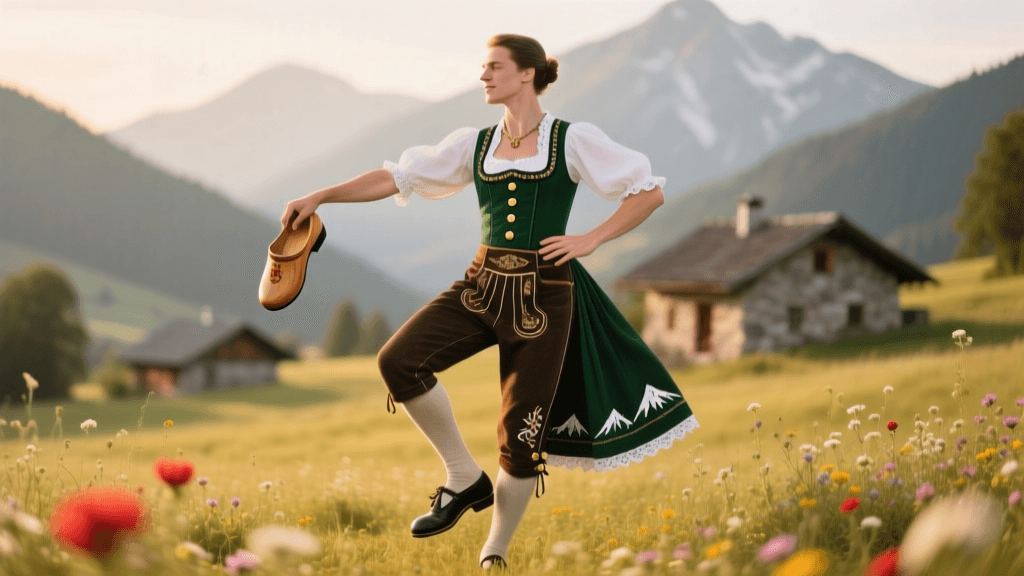
The rhythmic slapping of thighs, knees, and heavy leather shoes echoing through an Alpine valley is one of the most iconic sounds of European folk culture. The Schuhplattler dance history is deeply rooted in the courtship rituals of Bavarian and Tyrolean peasants, evolving into a highly structured, fiercely protected folk dance tradition. As we navigate the vibrant festival season of 2026, the revival of authentic European folk dress has reached new heights. Enthusiasts and performers are moving away from mass-produced 'costume' wear, embracing the strict, historically accurate guidelines of regional Tracht. For the Schuhplattler, the undisputed gold standard is the Miesbacher Tracht. This guide explores the intricate anatomy of these garments, how they are specifically engineered for folk dance, and what you need to know to participate in the major Bavarian festivals of 2026.
The Miesbacher Tracht Standard
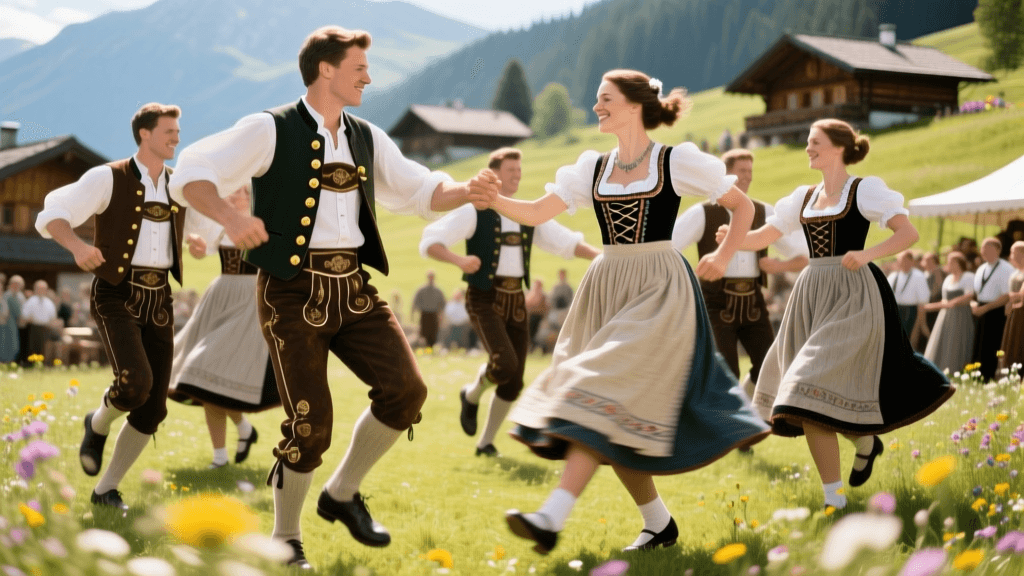
Originating from the market town of Miesbach in Upper Bavaria, the Miesbacher Tracht is considered the most pristine and universally recognized form of Bavarian folk dress. According to the guidelines maintained by the Bayerischer Trachtenverband (Bavarian Costume Association), this specific Tracht is not merely a costume; it is a living cultural heritage with strict rules regarding materials, colors, and tailoring. For a Schuhplattler dancer, the Miesbacher Tracht is essential because its specific cuts and weights are designed to accentuate the movements of the dance. The heavy swing of the skirt, the sharp crack of the leather shorts, and the sturdy grounding of the traditional footwear all contribute to the visual and auditory spectacle of the performance.
Lederhosen for the Plattler: Cut, Leather, and Embroidery
For male dancers, the foundation of the outfit is the Lederhose. However, the authentic Miesbacher Lederhose is vastly different from the tourist-shop variants. It must be a Kurze (short style), ending above the knee to allow for the high kicks and deep squats characteristic of the Schuhplattler.
Material and Tanning
Authentic pairs are crafted exclusively from Hirschleder (deer leather) or Gamsleder (chamois leather), tanned using the traditional Sämisch (chamois-tanning) method. This labor-intensive process uses cod liver oil and natural fats, resulting in a leather that is incredibly soft, breathable, and uniquely washable. In 2026, due to the scarcity of high-grade alpine deer hides and the limited number of master tanners, a bespoke pair of authentic Sämischleder Lederhosen from a recognized Upper Bavarian artisan typically costs between €850 and €1,400.
Embroidery and Hardware
The embroidery (Stickerei) on Miesbacher Lederhosen is highly regulated. It typically features intricate floral motifs, oak leaves, or edelweiss, hand-stitched using silk or heavy cotton thread in shades of green, yellow, or rust. The drop-front (Latz) is secured with horn or bone buttons, never metal or plastic. The suspenders (Hosenträger) feature a crosspiece (Quersteg) that is often heavily embroidered and can be detachable for easier washing.
Dirndl Dynamics for Folk Dance Performers
The female counterpart in the Schuhplattler is the Miesbacher Dirndl, a garment engineered for elegance, modesty, and dynamic movement. The Miesbacher Tracht heritage dictates a specific silhouette that remains unchanged in 2026.
The Bodice and Skirt
The bodice (Mieder) is typically made of dark wool or silk, often in deep bordeaux, navy, or forest green, and is structured with internal boning to provide a smooth, supportive fit during vigorous dancing. It is laced at the front or fastened with hidden hooks. The skirt (Rock) is the most critical element for a dancer. An authentic Miesbacher skirt is a Dreidreher, meaning it is constructed with a minimum of three meters of fabric gathered into a tight waistband. This immense volume creates a breathtaking, bell-like flare when the dancer spins, a signature visual element of the folk dance. The hem must fall to the mid-calf, ensuring modesty during high kicks and leaps.
The Apron and Blouse
The apron (Schürze) is made of fine silk or high-quality cotton, tied at the front. The position of the bow is a well-known code: tied on the left indicates the wearer is single, on the right means she is married or taken, and in the center signifies virginity (though rarely used today). The blouse (Bluse) is crisp white cotton or linen, featuring either a round or square neckline, often with delicate lace or pintuck detailing.
Footwear and Headwear: Built for the Dance
The auditory impact of the Schuhplattler relies heavily on the dancer's footwear. Male dancers wear traditional Haferlschuhe or specific Trachtenschnallenschuhe (buckle shoes). For competitive Plattlers in 2026, these shoes are often custom-fitted with reinforced, slightly thicker leather soles to withstand the repetitive, high-impact slapping of the hands without causing injury to the foot, while still producing the sharp, resonant 'crack' required by the judges. They are worn with thick, grey or white woolen calf warmers (Loferl).
Female dancers wear Trachtenschnallenschuhe (spange shoes) with a low, sturdy heel and a rubber or leather sole that provides excellent grip on wooden dance floors. The headwear for men is the iconic Miesbacher Hut, a velvet or felt hat adorned with a braided cord (Hutschnur) and a Gamsbart (chamois beard) or an eagle feather. Women wear a silk or lace bonnet, or simply style their hair in intricate braids pinned with decorative combs, depending on the specific dance variation.
2026 Festival Calendar and Costume Requirements
Attending a Bavarian folk festival in 2026 requires an understanding of the varying strictness levels regarding Tracht. While public areas of Oktoberfest are lenient, official parades and Gaufeste are strictly monitored by Trachtenvereine (costume associations).
| Festival / Event (2026) | Location & Date | Strictness Level | Key Tracht Requirement |
|---|---|---|---|
| Oktoberfest Trachten- und Schützenzug | Munich, Sept 2026 | High (Parade) | Only registered Trachtenvereine members may march; strict adherence to Miesbacher or regional Tracht. |
| Gaufest Oberbayern | Upper Bavaria, July 2026 | Extreme | Exclusive to association members. Mass dance performances require 100% historically accurate Miesbacher Tracht. |
| Leonhardifahrt | Bad Tölz, Nov 2026 | High (Religious) | Traditional pilgrimage. Men must wear Lederhosen and Hut; women must wear modest, long Dirndls with covered shoulders. |
| Almabtrieb (Alpine Cattle Drive) | Tegernsee, Sept 2026 | Moderate | Authentic Tracht encouraged for all attendees; performers must wear full Schuhplattler regalia. |
Sourcing and Maintaining Your Tracht in 2026
Investing in a Miesbacher Tracht is a commitment to cultural preservation. In 2026, the most reliable method for acquiring authentic garments is through specialized Trachten tailors (Trachtenstickereien) in Munich or the Alpine foothills, such as those operating around the Tegernsee or Schliersee regions. Avoid mass-market 'Tracht' shops that use synthetic blends and chrome-tanned leathers, as these will not perform correctly during a folk dance and are easily identified as inauthentic by local enthusiasts.
Care for Sämischleder
One of the greatest advantages of Sämischleder is its washability. After a long day of dancing and sweating at a summer Gaufest, authentic Lederhosen can be hand-washed in lukewarm water with a mild, pH-neutral soap or specialized leather wash. They should never be wrung out or placed near direct heat. Instead, they are gently squeezed, reshaped while damp, and air-dried. Once dry, the leather is brushed vigorously with a stiff suede brush to restore its soft, velvety nap. The wool skirts and silk bodices of the Dirndl must be dry-cleaned by specialists who understand the delicate nature of traditional alpine textiles.
The Living Legacy of European Folk Dress
The Schuhplattler and the Miesbacher Tracht represent a profound connection to European agrarian history, preserved through the discipline of folk dance. As we celebrate the festivals of 2026, the dedication of dancers and artisans ensures that these garments remain a vibrant, breathing part of Bavarian culture, rather than a static museum exhibit. Whether you are a performer perfecting your platteln technique or a cultural enthusiast attending your first Leonhardifahrt, respecting the intricate details of the Tracht honors the generations of Alpine communities who danced before you.