Schuhplattler Dance Tracht 2026: Authentic Dirndl & Lederhosen Guide
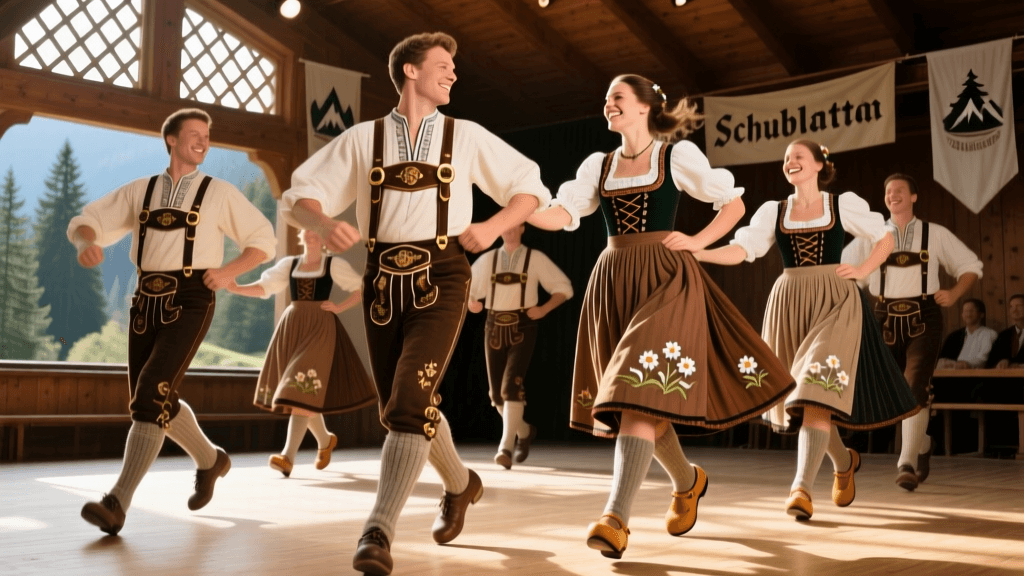
The Revival of Schuhplattler: Folk Dance and Tracht in 2026
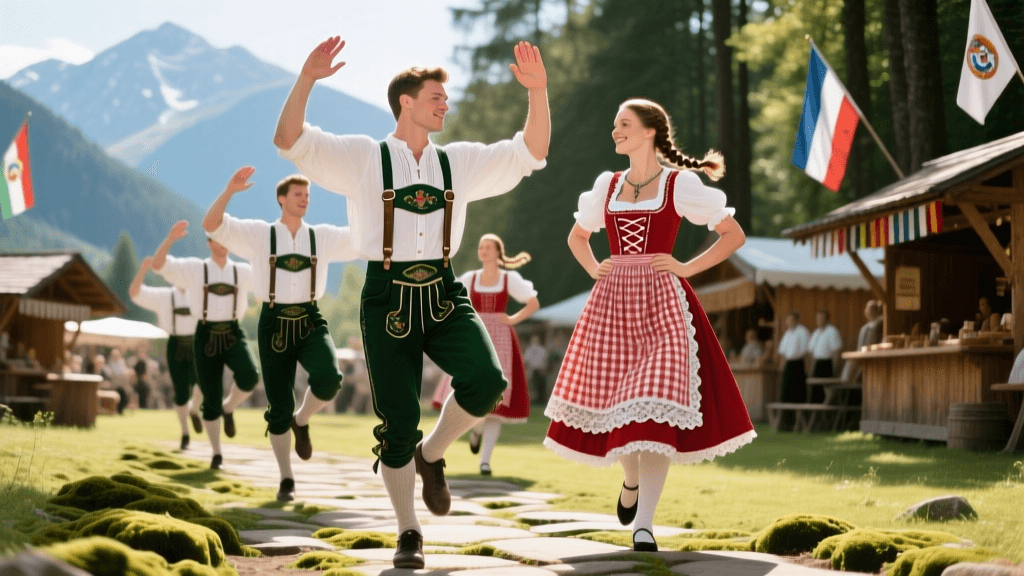
The Schuhplattler is far more than a simple folk dance; it is a profound, rhythmic expression of Alpine heritage that demands both physical endurance and sartorial authenticity. As we move through the 2026 festival season—from the regional Gaufest competitions in Upper Bavaria to the grand Tyrolean folk gatherings in Austria—the demand for historically accurate, performance-ready Tracht (traditional dress) has reached a decade-high. Unlike the mass-produced, synthetic costumes often sold to tourists, authentic dance garments are engineered for movement, durability, and cultural fidelity.
For folk dancers and cultural enthusiasts attending the 2026 Alpine Heritage Summit or local Schützenfeste, understanding the nuances of dance-specific Lederhosen and the Tanzdirndl is essential. The garments must withstand the vigorous thigh-slapping (Plattln) and the rapid, centrifugal spinning (Drehen) without tearing, losing their shape, or restricting the dancer's range of motion. This comprehensive guide explores the construction, sourcing, and tailoring of authentic Schuhplattler costumes for the modern festival circuit.
Anatomy of the Authentic Dance Lederhosen
The foundation of the male Schuhplattler costume is the Kurze Lederhosen (short leather trousers). While knee-length Bundlederhosen are acceptable for casual wear or hunting, the short variant is strictly mandatory for the Plattler dance. The slapping sequences require the dancer's hands to make direct, resonant contact with the bare thigh and the leather cuff; a knee-length breeches would muffle the sound and restrict the high-kick choreography.
Leather Selection: Hirschleder vs. Ziegenleder
In 2026, the gold standard for dance Lederhosen remains Hirschleder (deer leather), specifically sourced from Alpine roe deer or red deer. Hirschleder is prized for its unique fiber structure, which allows it to be incredibly soft and pliable while maintaining high tensile strength. When a dancer performs the aggressive Schlag (slap) against their thigh, Hirschleder absorbs the impact and produces a sharp, cracking sound that echoes across the festival grounds.
Conversely, Ziegenleder (goat leather) is thinner and lighter, often used for budget-friendly or youth garments. However, for adult competitive dancers, Ziegenleder lacks the acoustic resonance and long-term durability required for rigorous festival schedules. Due to sustainable hunting quotas and supply chain shifts in early 2026, ethically sourced Hirschleder has seen a 12% price increase, making bespoke pairs a significant but worthwhile investment.
The Cut and Embroidery (Stickerei)
The cut of a dance Lederhosen must be precise. The waistband sits slightly higher than modern trousers, and the leg cuffs should end exactly 2 to 3 centimeters below the kneecap. The cuffs are secured with a leather tie, allowing the dancer to adjust the tightness to ensure the trousers do not ride up during high kicks.
Embroidery on authentic Tracht is never purely decorative; it denotes regional origin. In 2026, master tailors in Miesbach and Garmisch-Partenkirchen are seeing a massive resurgence in demand for the Hirschfänger (hunting motif) and the Edelweiß edelweiss floral patterns, stitched using heavy, waxed linen thread in traditional shades of olive, rust, and mustard. Machine embroidery is strictly avoided by serious folk dance troupes; hand-stitched Stickerei ensures the leather retains its natural stretch.
The Tanzdirndl: Engineering the Perfect Spin
While the male dancers perform the percussive Plattln, the female dancers execute the Drehen—a series of rapid, continuous spins that require the Dirndl skirt to flare outward into a perfect, horizontal bell shape. A standard fashion Dirndl will simply tangle around the legs or fail to achieve the necessary lift. The Tanzdirndl is a marvel of textile engineering.
Skirt Weight and the Drehen
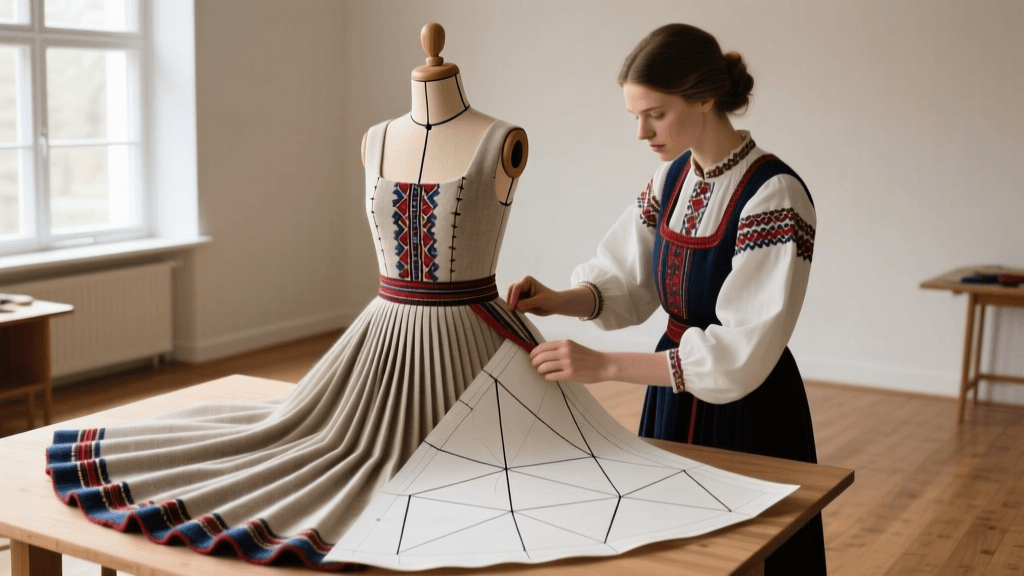
The secret to a perfect Tanzdirndl lies in the fabric weight and the cut of the skirt. For the 2026 festival season, expert seamstresses recommend a mid-weight cotton-linen blend or a fine wool crepe with a density of at least 350 to 450 grams per square meter. This weight provides the necessary centrifugal momentum. The skirt must be cut on the bias or feature deep, precisely calculated box pleats (Falten) that are tacked down at the waistband but release fully at the hip.
'A true Tanzdirndl is not just worn; it is danced. The skirt must act as an extension of the dancer's kinetic energy, blooming outward only when the music demands it, and settling modestly the moment the dance concludes.' — Master Tailor of the Miesbach Trachtenverein, 2026.
Bodice Support and the Apron Code
The bodice (Mieder) of a dance Dirndl is heavily reinforced with internal boning or thick, quilted canvas. This provides crucial lumbar support for the dancer, maintaining an upright, regal posture even during exhausting, multi-hour festival performances. The neckline is traditionally square or round, modest enough to accommodate the embroidered silk shawl (Seidenschal) that is pinned securely to prevent it from flying off during spins.
The apron (Schürze) must be tied according to the strict traditional code, which communicates the wearer's relationship status to the festival crowd:
- Bow on the Left: Single and available.
- Bow on the Right: Married, engaged, or in a relationship.
- Bow in the Center: Virgin (traditionally worn by young girls or brides).
- Bow at the Back: Widowed or working as a server/staff.
2026 Tracht Sizing, Tailoring, and Pricing Table
Investing in bespoke Tracht requires an understanding of current market rates and tailoring timelines. The following table outlines the average costs and lead times for custom, dance-grade garments from reputable Alpine ateliers in 2026.
| Garment Component | Key Measurement Focus | 2026 Avg. Bespoke Cost (EUR) | Tailoring Lead Time |
|---|---|---|---|
| Kurze Lederhosen (Hirschleder) | Thigh circumference, inseam, waist | €850 - €1,400 | 10 - 14 Weeks |
| Tanzdirndl (Skirt & Bodice) | Natural waist, bust, skirt length | €650 - €1,100 | 6 - 10 Weeks |
| Hosenträger (Suspenders) | Chest cross-drop, shoulder width | €140 - €220 | 4 - 6 Weeks |
| Haferlschuhe (Dance Shoes) | Arch length, heel width, instep | €190 - €280 | 3 - 5 Weeks |
Footwear and Accessories for the Stage
No Schuhplattler costume is complete without the proper footwear. The traditional Haferlschuh is a robust, lace-up leather shoe featuring a distinctive side-lacing system and a heavily nailed or rubber-cleated sole. For stage performances and wooden dance floors in 2026, dancers are increasingly opting for custom-fitted Haferlschuhe with specialized leather soles that allow for the percussive Schuhplatteln (shoe-slapping) sequences without leaving scuff marks or slipping.
Socks, known as Loferl or Wadenwärmer, are worn with the short Lederhosen. These are two-piece wool garments consisting of a footie and a separate calf-warmer. For dance, the calf-warmer must be tightly knit with a reinforced elastic band to prevent it from slipping down the leg during high kicks. Hand-knitted, naturally dyed merino wool Loferl are the preferred choice for competitive troupes, offering breathability and moisture-wicking properties during summer festivals.
Sourcing Authentic Garments and Cultural Preservation
When sourcing authentic Tracht, it is vital to support certified artisans and recognized cultural organizations. The Bayerischer Trachtenverband (Bavarian Tracht Association) remains the ultimate authority on regional dress codes and can provide directories of certified Trachtenberater (Tracht consultants) who can guide you to legitimate tailors. Furthermore, the Bavarian Tourism Board frequently highlights heritage workshops and regional markets where authentic, hand-crafted textiles can be purchased directly from the makers, ensuring your money supports the continuation of these ancient crafts.
Avoid purchasing 'Tracht' from fast-fashion retailers or generic costume shops. These garments often use polyester blends, machine-glued embroidery, and incorrect historical cuts that will not only look out of place at a serious folk festival but will actively hinder your ability to dance.
Care and Maintenance of Dance Tracht
Authentic Hirschleder requires specialized care. It must never be machine washed or dry-cleaned, as harsh chemicals will strip the natural oils and cause the leather to stiffen and crack. After a long day of dancing at the Gaufest, the Lederhosen should be hung in a well-ventilated, shaded area to air out. For stubborn stains, a specialized leather brush and a light application of pure Lederfett (leather grease) should be used sparingly. The Dirndl skirt and blouse, however, can usually be hand-washed or gently machine-washed on a cold cycle, provided the internal bodice boning is removable.
Conclusion
As the 2026 European folk festival season unfolds, the commitment to authentic Schuhplattler Tracht serves as a living bridge to the past. Whether you are a seasoned member of a Trachtenverein or a cultural enthusiast preparing for your first Alpine festival, investing in properly engineered, hand-crafted Lederhosen and Tanzdirndls ensures that the dance is performed with the respect, resonance, and visual splendor it deserves. By prioritizing quality materials, precise tailoring, and historical accuracy, you become an active participant in the preservation of Europe's most dynamic folk traditions.