Schuhplattler Dance Tracht: Bavarian Folk Costumes Guide 2026
The Resurgence of Schuhplattler in 2026 European Festivals
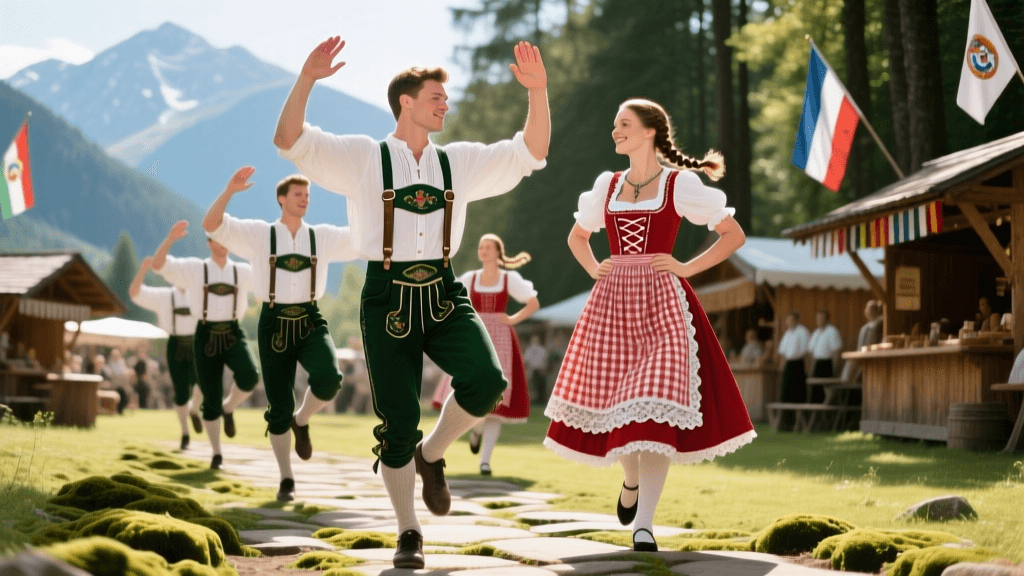
As we navigate the vibrant European folk festival season of 2026, few cultural expressions command attention quite like the Schuhplattler. Originating in the Alpine regions of Bavaria, Tyrol, and Salzburg, this traditional folk dance is a mesmerizing display of rhythm, athleticism, and heritage. Characterized by the rhythmic stomping of feet and the sharp, percussive slapping of thighs and shoes—the Platteln—the dance is inextricably linked to the garments worn by its performers. In 2026, there is a massive movement among Trachtenvereine (traditional costume clubs) to move away from commercialized, mass-produced tourist wear and return to historically accurate, region-specific dance Tracht. For dancers and festival attendees alike, understanding the construction, function, and regional nuances of these garments is essential for authentic participation in this year's Gaufeste and Oktoberfest celebrations.
The Anatomy of the Dance: Why Garment Construction Matters
Unlike static ceremonial dress, the Schuhplattler costume is highly functional athletic wear disguised as folk art. The dance requires an extraordinary range of motion, high-impact friction resistance, and precise acoustic feedback. When a male dancer strikes his thigh or the sole of his shoe, the garment must not impede the movement or muffle the sound. Similarly, the female dancers execute the Dreher (rapid spinning), which demands specific skirt weights and hem circumferences to achieve the iconic, gravity-defying bell shape without causing the dancer to trip. In 2026, master tailors and cobblers specializing in Alpine Tracht are utilizing advanced, sustainable tanning techniques and historically accurate weaving methods to ensure these garments meet the rigorous demands of modern competition stages while honoring centuries-old traditions.
Men's Dance Tracht: Function Meets Alpine Tradition
Lederhosen: The Foundation of the Plattler
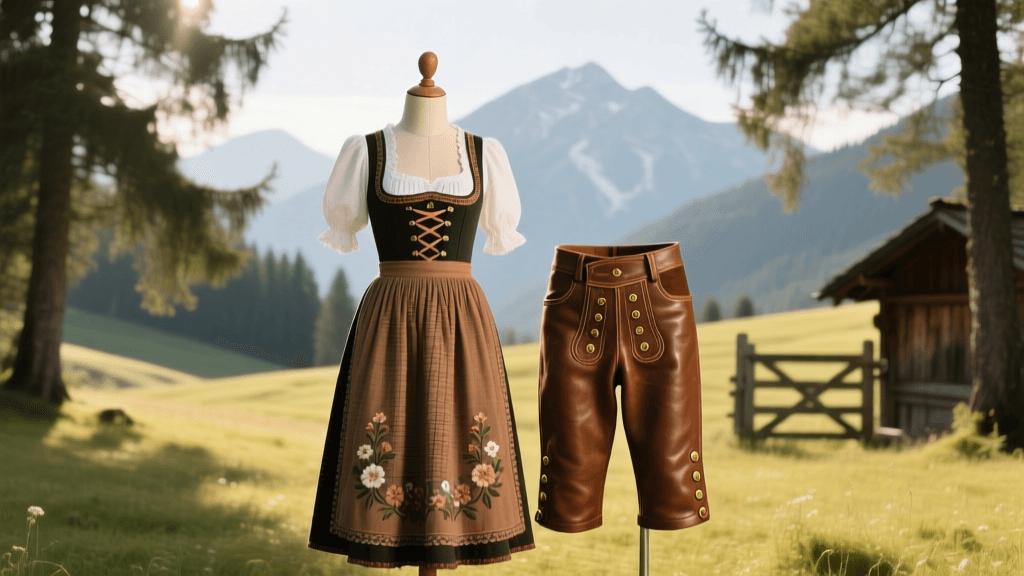
For the Schuhplattler, the Kurze Lederhosen (short leather breeches) are mandatory. While knee-length Kniebundhosen are acceptable for general festival wear, the short variant leaves the lower thigh bare, which is necessary for the skin-to-skin and skin-to-leather slapping that defines the dance. In 2026, the gold standard for dance Lederhosen is Sämischgares Hirschleder (chamois-tanned deer leather). This specific tanning process, utilizing cod oil and traditional Alpine methods, yields a leather that is exceptionally soft, breathable, and, most importantly, washable. A dancer's Lederhosen must absorb sweat and withstand repetitive friction without cracking or stiffening. Authentic pairs commissioned from Bavarian artisans in 2026 typically start around €850, with bespoke, hand-embroidered pieces reaching upwards of €1,800.
Footwear: Haferlschuhe and the Rhythm of the Stomp
The Haferlschuh is the traditional Bavarian shoe, characterized by its distinctive side-lacing and robust toe cap. For a Schuhplattler dancer, the shoe is an instrument. The acoustic smack of the hand hitting the shoe sole is a core component of the dance's rhythm. In 2026, specialist cobblers in Garmisch-Partenkirchen and Miesbach are reinforcing the toe caps with hidden, shock-absorbing cork layers to protect the dancer's metatarsals during hours of rehearsal, while maintaining the hard leather exterior required for crisp acoustics. The soles are traditionally leather, but modern dance adaptations often feature a flush, nailed rubber-wood hybrid heel to prevent slipping on polished wooden festival stages.
Accessories: Hosenträger, Pfoad, and Tirolerhut
The Hosenträger (suspenders) are worn crossed in the back and feature intricate, region-specific floral embroidery. They must be adjusted perfectly; too loose, and they will slip during high kicks; too tight, and they restrict the diaphragm during the breathless finale. The Pfoad (traditional linen or cotton shirt) is typically checkered or stark white, cut with a generous gusset under the arm to allow the dancer to raise his arms fully above his head. Finally, the Tirolerhut (Tyrolean hat), adorned with a Gamsbart (chamois hair tuft) or eagle feather, is secured using hidden, specialized hatpins to ensure it remains perfectly level on the head even during the most vigorous jumps and squats.
Women's Dance Tracht: The Dirndl in Motion
The Kittel (Skirt) and the Physics of the Dreher
The women's role in the Schuhplattler centers on grace, posture, and the spectacular physics of the spinning Dreher. The Kittel (skirt) is the most critical component. For competitive folk dance in 2026, a skirt with a standard fashion hem circumference is entirely inadequate. A proper dance Dirndl skirt requires a minimum hem circumference of 3.5 to 4.5 meters, heavily pleated at the waistband. This massive amount of fabric, often weighted with a subtle cord at the hem, allows the skirt to flare out horizontally when the dancer spins, creating a stunning visual disc. The length is strictly Midi (mid-calf), ensuring the hem clears the floor during jumps while maintaining modesty and traditional proportions.
The Mieder (Bodice) and Bluse
The Mieder (bodice) provides essential core support for the dancer. Unlike fashion Dirndls that may use flimsy hooks, a dance Mieder is structured with internal boning and laces securely at the front or back, promoting the upright, regal posture required by the choreography. The Bluse (blouse) is crafted from high-quality, breathable cotton batiste or linen, featuring short puffed sleeves that do not restrict the arm movements required for partnering and waving.
Trachtenschnürstiefel (Lace-up Boots)
While fashion Dirndls are often paired with delicate pumps, the Schuhplattler demands the Trachtenschnürstiefel. These are sturdy, lace-up leather boots with a low, broad block heel (usually no higher than 3 centimeters). They provide vital ankle support for the lateral movements and small hops inherent in the choreography, ensuring the dancer remains grounded and stable while partnering with the male dancers.
2026 Regional Variations: A Comparative Guide
One of the most significant trends in 2026 is the strict adherence to regional accuracy. According to the Bayerischer Trachtenverband (Bavarian Tracht Association), modern juries at the Gaufeste heavily penalize dancers who mix regional elements. Below is a comparison of the three most prominent regional Tracht styles seen on the festival circuit this year.
| Regional Style | Men's Distinguishing Feature | Women's Distinguishing Feature | Primary Festival Hub |
|---|---|---|---|
| Miesbacher Tracht | Grey-green loden jacket, specific floral embroidery on dark leather, silk neckerchief. | Dark blue or black bodice with silver hooks, silk apron, specific lace bonnet (Miesbacher Hut). | Miesbach, Oberland Gaufest |
| Werdenfelser Tracht | Broad-brimmed hat with a cord, distinct red or green vest (Gilet) under the Lederhosen. | Bodice featuring intricate gold or silver thread embroidery, distinctively pleated silk apron. | Garmisch-Partenkirchen |
| Berchtesgadener Tracht | Short jacket with velvet lapels, unique horn buttons, specific feather placement on the hat. | The 'Kasseler' hat (a specific brimmed hat with a crown), heavy silver chain necklaces, and distinct floral bodice patterns. | Berchtesgaden, Chiemgau Alps |
Sourcing and Commissioning Authentic Tracht in 2026
Acquiring a genuine, dance-ready Tracht is an investment in cultural heritage. The Trachtenkulturzentrum in Holzkirchen emphasizes that the 2026 market is defined by a return to slow fashion and local artisanship. Mass-produced imports are increasingly shunned by serious Trachtenvereine. If you are commissioning a bespoke Lederhosen or Dirndl for festival dancing, expect a lead time of 6 to 9 months. Master tailors require multiple fittings to ensure the leather stretches correctly to the dancer's exact musculature and that the skirt's pleating aligns perfectly with the dancer's center of gravity.
For those seeking authentic, ready-to-wear options that meet dance standards, specialized boutiques in Munich, such as those around the Viktualienmarkt, offer premium lines starting at €450 for women's Dirndls and €650 for men's Lederhosen. However, always verify the leather origin and the hem circumference of the skirt before purchasing for festival performance. The revival of the Schuhplattler in 2026 is not just about preserving a dance; it is about honoring the textile arts, the cobblers, and the embroiderers who ensure that Alpine culture remains a living, breathing, and stomping tradition.
Conclusion
The Schuhplattler is a profound dialogue between the human body and traditional European craftsmanship. Whether you are a seasoned member of a Trachtenverein or a cultural enthusiast attending your first Alpine festival in 2026, respecting the functional and regional nuances of the Tracht elevates the experience. By investing in historically accurate, purpose-built garments, dancers ensure that the rhythmic heartbeat of Bavarian and Tyrolean heritage continues to echo through the festival halls for generations to come.