Authentic Bavarian Tracht For Dance Festivals: 2026 Guide
The Revival of Bavarian Folk Dance in 2026
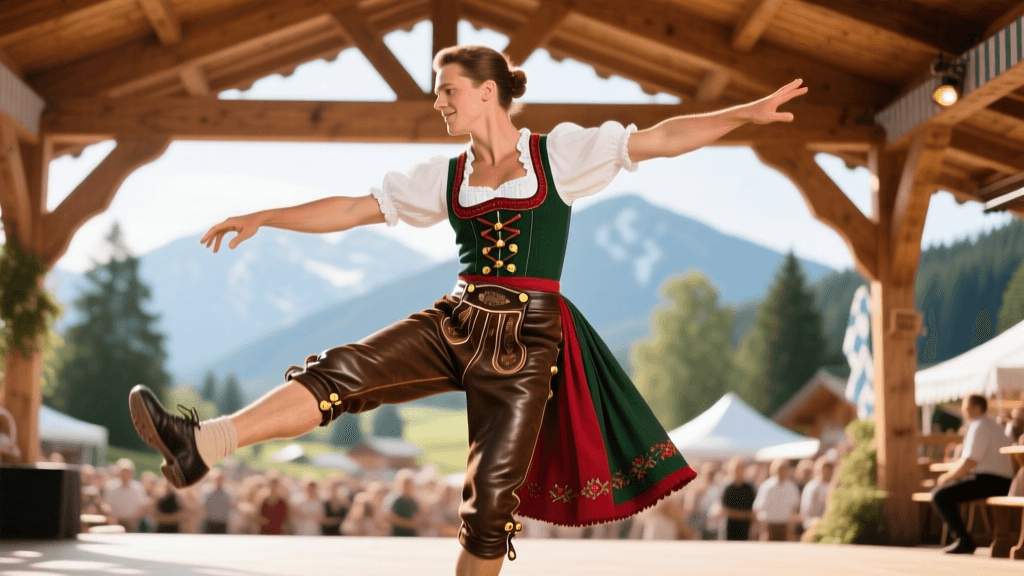
As we navigate the vibrant 2026 European folk festival circuit, traditional Bavarian dance—specifically the Schuhplattler—is experiencing a massive resurgence among younger generations. No longer confined to tourist-heavy beer halls, authentic folk dance troupes (Trachtenvereine) are filling community squares from Munich to Salzburg with the rhythmic stomping, thigh-slapping, and skirt-swirling that define Alpine culture. However, performing these vigorous dances requires more than just a costume shop replica; it demands functional, historically accurate Tracht (traditional folk dress) engineered for kinetic movement.
Whether you are preparing for your first regional dance competition or attending a summer folk festival as an active participant, understanding the anatomical requirements of dance-ready Lederhosen and the Tanzdirndl is crucial. This comprehensive 2026 guide breaks down the materials, tailoring, and regional nuances necessary to move freely while honoring centuries of Alpine textile heritage.
Engineering the Perfect Dance Lederhosen
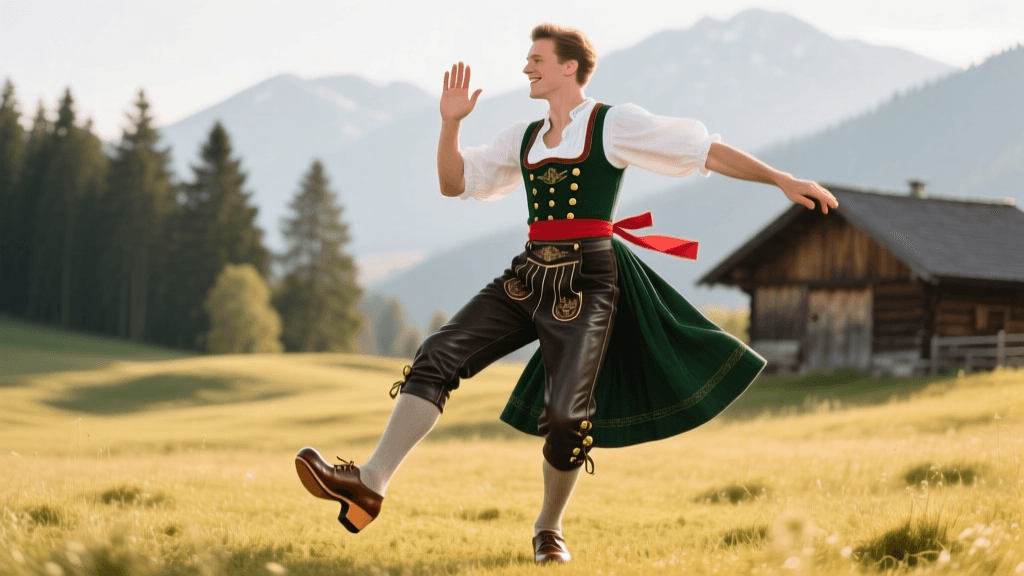
The Schuhplattler is a courtship dance rooted in the 18th century, mimicking the mating rituals of the capercaillie (a wild grouse). The male dancers (Buam) slap their thighs, knees, and the seats of their leather breeches in complex, syncopated rhythms. Therefore, the Lederhosen must act as both a garment and a percussion instrument.
Leather Selection and Thickness
For festival dancing in 2026, genuine Hirschleder (deer hide) remains the undisputed gold standard. Unlike cowhide, which is stiff and heavy, deerskin is exceptionally soft, breathable, and possesses a unique spongy quality that produces the sharp, resonant smack required during the dance. According to recent guidelines from the Bayerischer Trachtenverband (Bavarian Folk Costume Association), authentic dance Lederhosen should be cut from leather that is exactly 1.0mm to 1.2mm thick. Anything thinner risks tearing during aggressive slapping; anything thicker muffles the sound and restricts the dancer's squatting movements (hocken).
The Drop-Front and Suspenders
Traditional dance breeches feature a Latz (drop-front) secured by horn buttons and leather laces. For active dancers, the drop-front must be tightly laced to prevent shifting during high kicks. The suspenders (Hosenträger) are equally vital. They should be crafted from the same Hirschleder as the breeches and feature a cross-brace at the back to distribute the weight of the heavy garment evenly across the shoulders, preventing chafing during hours of festival dancing.
The Tanzdirndl: Balancing Tradition and Kinetics
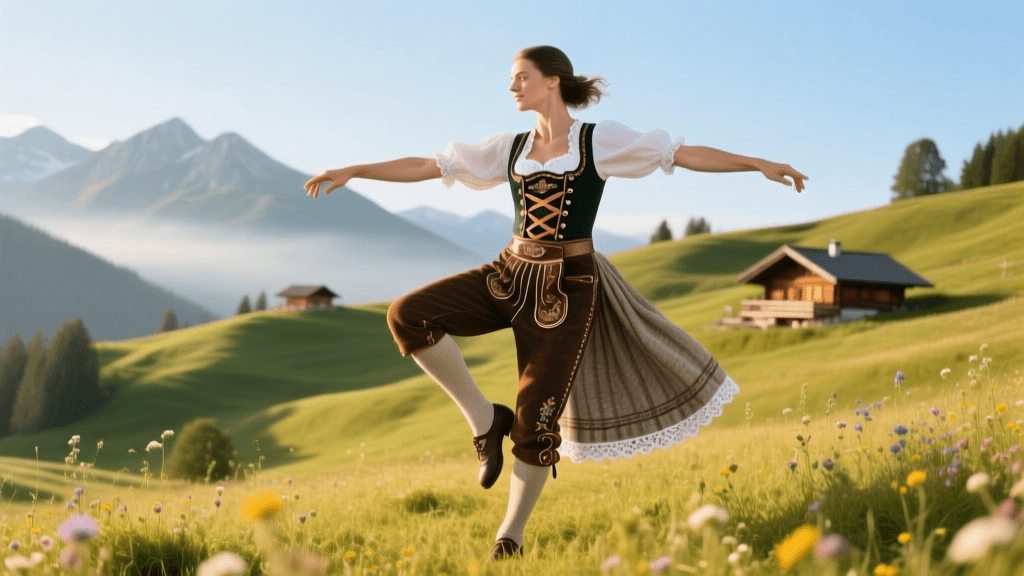
While the men provide the percussive rhythm, the women (Dirndl) provide the visual spectacle. The female folk dance dress, or Tanzdirndl, is specifically tailored to accentuate the spinning and leaping movements of the choreography. A standard fashion Dirndl will restrict movement and quickly deteriorate under the stress of folk dance; a true Tanzdirndl is a marvel of functional tailoring.
Skirt Width and Hemlines
The hallmark of a dance Dirndl is the skirt's circumference. In 2026, master tailors in Upper Bavaria are cutting dance skirts with a minimum of three to four meters of fabric at the hem. This immense width allows the skirt to flare out horizontally when the dancer spins, creating the iconic 'bell' shape. The hemline for festival dancing is strictly regulated by traditionalist troupes: it must fall exactly at the middle of the knee or just below. This 'Midi' length ensures modesty during high kicks and leaps while allowing the heavy cotton or linen fabric to swing with maximum momentum.
Bodice Construction for Active Movement
The bodice (Mieder) of a Tanzdirndl is heavily boned and reinforced with sturdy cotton drill lining. Unlike modern fashion corsets that compress the ribs, the traditional dance bodice is tailored to support the lower back and posture while leaving the diaphragm completely free for the cardiovascular demands of the dance. The front lacing is typically done with a durable silk or cotton cord, crisscrossing over a decorative floral stomacher (Steckerl).
Securing the Apron
The apron (Schürze) is tied at the front, with the bow's position traditionally indicating the wearer's marital status. However, for folk dance, a standard bow will inevitably untie during rapid spins. Experienced festival dancers in 2026 utilize hidden safety pins or a discreet secondary stitch to secure the apron knot, ensuring the garment stays perfectly in place without compromising the traditional aesthetic.
Footwear: The Foundation of the Plattler
You cannot execute a proper Schuhplattler in modern dress shoes or standard boots. The required footwear is the Haferlschuh, a traditional Alpine shoe originally designed for mountain terrain. For dance festivals, the Haferlschuh features a distinctive side-lacing system that provides rigid ankle support, essential for the lateral impacts of the dance. The soles must be made of thick, stacked leather with hobnails (Nägel) or rubber grips added to the heel and toe to prevent slipping on wooden festival stages or grassy village squares. Paired with calf-high wool socks (Loferl), the footwear completes the kinetic chain required for stomping.
Material Comparison for Folk Dance Tracht
When commissioning or purchasing garments for the 2026 festival season, understanding the material properties is essential for both comfort and performance. Below is a comparison of the primary materials used in authentic Bavarian dance attire.
| Material | Garment Use | Kinetic Properties | 2026 Market Price Range (EUR) |
|---|---|---|---|
| Hirschleder (Deerskin) | Lederhosen, Suspenders | High resonance for slapping, breathable, molds to the body | €600 - €1,200 |
| Rindsleder (Cowhide) | Budget Lederhosen, Belts | Stiff, low resonance, requires extensive break-in period | €150 - €350 |
| Heavy Linen Drill | Dirndl Bodice Lining | Provides structural rigidity, absorbs sweat, prevents warping | €25 - €45 per meter |
| Wool-Linen Blend (Loden) | Men's Dance Jackets | Thermoregulating, durable, maintains shape during arm movements | €80 - €120 per meter |
Regional Variations in Dance Tracht
Authenticity in European folk dress is deeply tied to geography. The Bavarian National Museum extensively documents how Tracht varies by valley and district, and dance troupes strictly adhere to these regional codes.
- Miesbacher Tracht: Hailing from the Miesbach district, this is perhaps the most recognized dance attire. Men wear dark grey or charcoal breeches with vibrant green silk embroidery (often featuring oak leaves and Edelweiss). The jacket is typically a short, grey Loden wool with green lapels.
- Werdenfelser Tracht: Originating around Garmisch-Partenkirchen, this style is lighter and more colorful. The Lederhosen often feature intricate floral vine embroidery in lighter shades of brown and green, and the men's hats are adorned with specific regional feathers or animal hair tufts (Gamsbart).
- Chiemgauer Tracht: Known for its elegant simplicity, the Chiemgau region favors deep blues and subtle embroidery. The women's Dirndls in this region often feature silk brocade skirts rather than plain cotton, creating a heavier, more dramatic swing during festival waltzes.
Sourcing Authentic Garments in 2026
The market is currently flooded with mass-produced 'Oktoberfest costumes' made from polyester and synthetic leathers. These garments are not only historically inaccurate but are actively dangerous for folk dancing due to poor breathability and structural failure. To source authentic Tanzdirndl and Hirschleder Lederhosen in 2026, buyers must seek out certified Trachtenmode tailors or specialized heritage brands located in Upper Bavaria, Tyrol, and Salzburg.
When commissioning a bespoke dance garment, expect a lead time of three to six months. Master tailors will require multiple fittings to ensure the armholes of the Dirndl bodice allow for overhead arm movements without lifting the entire garment, and that the Lederhosen seat is cut with enough gusseting to accommodate deep squats. Investing in authentic, regionally accurate folk dress not only elevates your festival experience but actively preserves the living textile heritage of the Alpine regions for future generations.