Nordic Brudkrona & Sølje Jewelry: 2026 Style Guide
The Resurgence of Nordic Folk Accessories in 2026
The year 2026 has witnessed an unprecedented renaissance in the appreciation, preservation, and modern styling of European folk dress. While the vibrant textiles of the Balkans and the structured tailoring of Celtic traditions often dominate the conversation, the intricate metalwork and symbolic headwear of Scandinavia remain some of the most coveted and historically rich accessories in the world. For enthusiasts, collectors, and modern brides, Nordic folk accessories—specifically the Brudkrona (bridal crown) and Sølje (silver filigree jewelry)—offer a profound connection to ancestral heritage. According to the Victoria and Albert Museum's extensive archives on European jewelry, the agrarian societies of Northern Europe utilized silver not merely as decoration, but as a vital display of familial wealth, regional identity, and spiritual protection. Today, the 2026 artisan market is experiencing a massive surge in demand for these pieces, driven by a global movement toward sustainable, heritage-based fashion and a desire for garments that carry generational weight.
Understanding the Brudkrona: Scandinavian Bridal Crowns
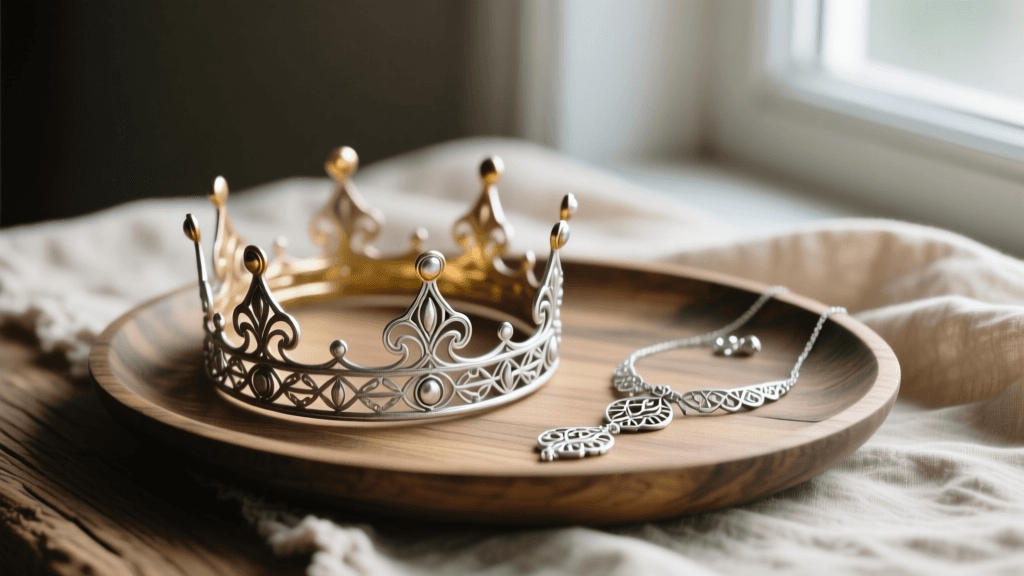
The Brudkrona is the crowning glory of traditional Swedish and Norwegian folk dress. Historically worn only by brides on their wedding day, these elaborate crowns were often the property of the local parish or a wealthy farming family, rented out for the occasion. They symbolized purity, the bride's transition into womanhood, and the blessing of the church. In the 18th and 19th centuries, Brudkronor were crafted from heavy brass, copper, or silver, often gilded and adorned with glass stones, pearls, and dangling metal leaves that chimed softly as the bride moved down the aisle.
In 2026, the Brudkrona has evolved. While traditionalists still seek out heavy, antique 925 sterling silver crowns weighing upwards of 800 grams, contemporary Scandinavian silversmiths are introducing lightweight, ergonomically designed versions. Utilizing advanced 3D scanning and lost-wax casting techniques, modern artisans can recreate the exact filigree patterns of a 19th-century Voss or Hardanger crown but cast them in lightweight silver-titanium alloys or hollow-core sterling silver. This 2026 innovation allows brides to wear the majestic headpiece comfortably throughout an entire day of celebrations without the neck strain associated with historical artifacts. Furthermore, modern brides are increasingly pairing minimalist, un-gilded silver Brudkronor with non-traditional, contemporary wedding gowns, bridging the gap between ancient folklore and modern Scandinavian minimalism.
Sølje: The Silver Filigree Tradition and Mythology
If the Brudkrona is the crown of Nordic folk dress, the Sølje is its heart. Originating primarily in Norway, Sølje refers to the intricate silver filigree and granulation jewelry worn with the Bunad (national costume). The history of Sølje is deeply intertwined with Norse mythology and rural superstition. In agrarian Scandinavian societies, it was believed that shiny, reflective surfaces and the chiming of dangling silver droplets (known as brudegråter or 'bride's tears') would blind and confuse trolls, evil spirits, and the 'hidden folk' (Huldra) who might attempt to steal the wearer's soul or bring misfortune to a wedding.
The construction of a traditional Sølje brooch is a masterclass in metallurgical patience. Artisans twist fine silver wire into microscopic coils, lay them in complex floral or geometric patterns, and solder them onto a silver backing, often finishing the piece with granulation (tiny silver spheres) and oxidized detailing to make the patterns pop. As documented by cultural heritage databases like DigitaltMuseum, which catalogs millions of Nordic folk art artifacts, regional variations in Sølje are vast. A Telemark Sølje features dense, symmetrical floral motifs, while a Sogn og Fjordane piece might incorporate vibrant red or green enamel drops and larger, more dramatic hanging elements.
In the 2026 collector's market, antique Sølje pieces are highly prized. However, the modern revival has also birthed a new generation of eco-conscious silversmiths in Oslo and Bergen who are crafting 'Neo-Sølje.' These 2026 collections utilize 100% recycled silver and ethically sourced lab-grown spinels in place of traditional glass paste, appealing to a younger demographic that values both heritage craftsmanship and environmental sustainability.
2026 Buyer's Comparison: Brudkrona & Sølje Market Data
Whether you are sourcing pieces for a museum archive, a traditional Bunad ensemble, or a contemporary fashion editorial, understanding the 2026 market landscape is crucial. Below is a comprehensive comparison of traditional versus contemporary Nordic folk accessories available this year.
| Accessory Type | Traditional Material & Era | 2026 Contemporary Alternative | Average 2026 Price (EUR) | Primary Occasion |
|---|---|---|---|---|
| Brudkrona (Bridal Crown) | Gilded Brass / Heavy Silver (1800s) | Hollow-core 925 Silver, Titanium alloy frames | €1,200 - €4,500 | Weddings, Folk Festivals |
| Sølje Brosje (Neck Brooch) | Oxidized Silver, Glass Paste (1900s) | Recycled Silver, Lab-grown Spinels, Enamel | €350 - €950 | Bunad wear, Formal Events |
| Hestesko (Horseshoe Pendant) | Cast Silver, simple wire work | 3D-printed wax cast, polished finish | €150 - €400 | Everyday heritage styling |
| Beltestøler (Belt Buckles) | Heavy cast brass or silver | Lightweight aluminum-silver composites | €200 - €600 | Bunad waist cinching |
Identifying Authentic Hallmarks and Sourcing
As the demand for vintage European folk jewelry surges in 2026, so does the market for high-quality replicas. For collectors and historians, identifying authentic hallmarks is essential. The Metropolitan Museum of Art's Heilbrunn Timeline of Art History notes that European silver guild marks have long served as a guarantee of purity and origin. In Norway, the silver standard was historically 830/1000, though 925 sterling became the norm in the mid-20th century.
When sourcing antique Sølje in 2026, look for the stamps of legendary Norwegian silver houses. David-Andersen (often stamped with a crown and the letter D), J. Tostrup, and Marius Hammer are the holy trinity of Norwegian silver collectibles. Marius Hammer pieces, particularly those featuring the plique-à-jour enamel technique (resembling stained glass), are exceptionally rare and can command upwards of €3,000 at European auction houses this year. Swedish Brudkronor will often bear the three-crown mark (Tre Kronor) indicating the Swedish silver standard, alongside the maker's mark and the year stamp, which is usually a letter or symbol corresponding to a specific decade.
Modern Styling for Contemporary Wardrobes
One of the most exciting developments in 2026 is the integration of traditional Nordic accessories into everyday, non-folk wardrobes. You no longer need to wear a full, heavily embroidered Bunad to appreciate the artistry of a Sølje. Contemporary Scandinavian fashion influencers and designers are styling oversized Telemark Sølje brooches on the lapels of oversized, minimalist wool blazers, or using them to cinch the waist of a flowing linen dress. The juxtaposition of hyper-detailed, ancient silver filigree against stark, modern, monochromatic fabrics creates a striking visual narrative.
For headwear, the Brudkrona is being reimagined as a festival accessory or a statement piece for high-fashion editorial shoots. Smaller, demi-Brudkrona (half-crowns) are being worn as headbands over sleek, modern updos, allowing the silver leaves and chains to cascade through the hair without the overwhelming weight of a full parish crown. When styling these pieces, the golden rule for 2026 is restraint: let the metalwork be the focal point. Avoid competing patterns or overly colorful textiles; instead, opt for deep earth tones, charcoal wools, or crisp whites that allow the oxidized silver and sparkling enamel to command attention.
Care and Preservation of Antique Silver
Maintaining the integrity of heritage silver requires specific care, especially for pieces featuring delicate filigree or enamel. Ultrasonic cleaners, while popular for modern jewelry, are strictly forbidden for antique Sølje; the high-frequency vibrations can easily snap the microscopic silver wires or shatter century-old enamel. In 2026, conservationists recommend using mild, phosphate-free silver dips for heavily tarnished pieces, followed by gentle polishing with a microfiber cloth. For storage, wrap each piece in anti-tarnish Pacific cloth and store them in a climate-controlled environment to prevent the oxidation that, while historically intentional in the recesses of the filigree, can damage the structural integrity of the silver if left unchecked. By respecting these preservation techniques, collectors ensure that these magnificent symbols of European folk heritage will continue to shine for generations to come.