Sashiko & Boro in 2026 Luxury Fashion Collaborations
The Renaissance of Japanese Textile Arts in Global Fashion
The global fashion industry in 2026 has reached a pivotal turning point, moving decisively away from the era of superficial logo-mania and entering a profound appreciation for heritage craftsmanship, material integrity, and sustainable production. At the absolute forefront of this paradigm shift are international design collaborations centered around traditional Japanese textile arts. Specifically, the ancient techniques of Sashiko (decorative reinforcement stitching) and Boro (patchwork mending) have transcended their historical roots to become the most sought-after elements in high-end luxury and premium streetwear capsule collections. As European heritage houses and avant-garde Japanese labels forge deeper, more equitable partnerships with rural artisans, the 2026 fashion landscape is being redefined by the meticulous, time-honored practices of the Japanese countryside.
The Origins and Philosophy of Sashiko and Boro
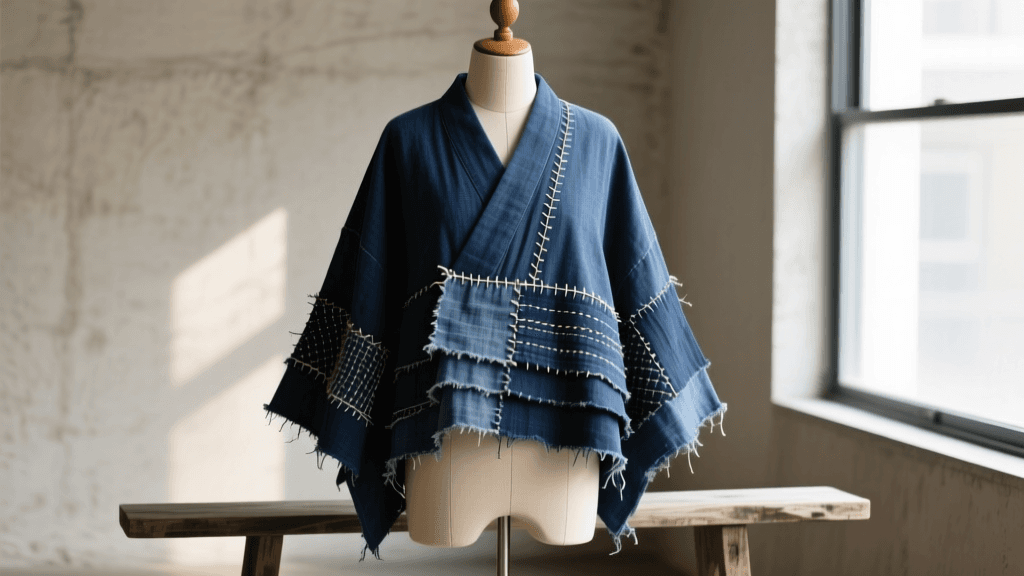
To fully appreciate the gravity of these 2026 luxury collaborations, one must understand the deeply utilitarian and spiritual origins of Sashiko and Boro. Originating in the harsh, snow-bound climates of the Tohoku region during the Edo period, these techniques were born out of absolute necessity. Peasant farmers and fishermen, restricted by sumptuary laws and extreme poverty, could not afford new textiles. Instead, they meticulously layered scraps of worn hemp and cotton, binding them together with a simple running stitch to create garments that were windproof, insulated, and incredibly durable.
The term 'Boro' translates literally to 'rags' or 'tattered cloth,' yet through generations of continuous mending, these garments became profound family heirlooms, imbued with the spirits and labor of the ancestors who wore them. Sashiko, meaning 'little stabs,' evolved from purely structural reinforcement into a complex geometric art form, featuring regional patterns like the 'kakinohana' (persimmon flower) and 'asanoha' (hemp leaf). In 2026, this philosophy of 'mottainai' (a deep sense of regret concerning waste) resonates powerfully with a global consumer base demanding circular fashion and zero-waste design principles.
2026 International Design Collaborations: A New Era of Co-Creation
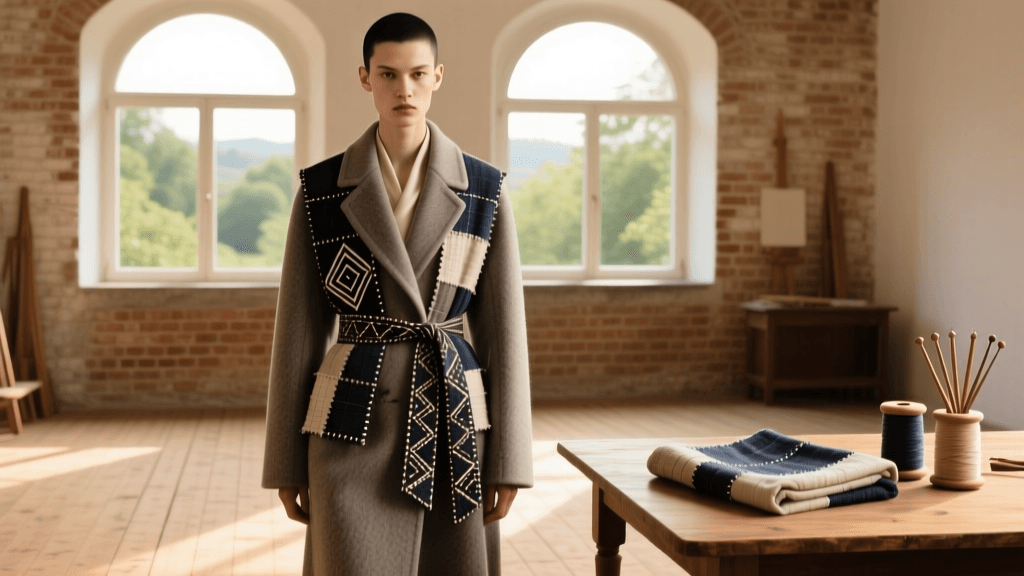
Unlike the cultural appropriations and superficial 'inspired-by' collections of the early 2010s, the luxury collaborations of 2026 are characterized by direct, respectful co-creation. Major conglomerates and independent luxury houses are now establishing permanent atelier partnerships in prefectures like Aomori, Iwate, and Tokushima. Rather than simply importing finished fabrics, international design teams are traveling to Japan to work alongside master craftsmen, integrating traditional hand-stitching into modern silhouettes ranging from tailored wool overcoats to technical streetwear outerwear.
Central to facilitating these cross-border partnerships is the Japan Kogei Association, which has recently expanded its 2026 initiatives to pair young, internationally trained fashion designers with aging master craftsmen. This institutional support ensures that the economic benefits of luxury collaborations flow directly back into rural artisan villages, funding the apprenticeship programs necessary to keep these endangered techniques alive. The resulting garments are not merely clothes; they are heavily documented, numbered artifacts that come with detailed provenance regarding the specific artisan who executed the stitching.
Technical Breakdown: Traditional vs. Modern Applications
The integration of Boro and Sashiko into modern luxury requires a delicate balance between historical accuracy and contemporary wearability. The table below illustrates how these techniques have been adapted for the 2026 luxury market.
| Feature | Traditional Edo/Meiji Application | 2026 Luxury Collaboration Application |
|---|---|---|
| Base Material | Hemp, Ramie, Recycled Cotton Scraps | Organic Selvedge Denim, High-Twist Merino Wool, Cupro Blends |
| Thread Composition | Hand-spun, naturally dyed cotton thread | Recycled silk threads, high-tensile organic cotton, metallic accents |
| Stitch Type | Standard running stitch (hitome-zashi) | Complex interlocking geometric patterns, hidden structural stitching |
| Dyeing Process | Fermented natural indigo (sukumo) | Natural indigo combined with botanical overdyes (madder, weld) |
| Primary Purpose | Thermal insulation, structural reinforcement | Aesthetic storytelling, sustainable luxury, textile art collection |
| Price Point (Approx.) | Priceless family heirlooms / historical archives | $2,500 - $15,000+ for limited capsule pieces |
The Chemistry of Aizome: Natural Indigo in 2026
The foundation of authentic Boro is Aizome, the traditional Japanese method of indigo dyeing. In 2026, as the luxury market rejects synthetic, petroleum-based dyes, the demand for natural 'sukumo' (fermented indigo leaves) from Tokushima Prefecture has reached unprecedented heights. The creation of a natural indigo vat is a living, breathing chemical process that requires the master dyer to feed the vat with sake, wheat bran, and wood ash, carefully monitoring its pH and temperature daily.
When luxury brands collaborate with these master dyers, the resulting textiles possess a depth of color and a unique, living patina that synthetic dyes simply cannot replicate. The 2026 Spring/Summer collections have heavily featured 'kame-nozoki' (the palest shade of indigo, achieved by dipping the fabric for mere seconds) juxtaposed against deep, near-black 'tetsukon' shades, creating a tonal richness that highlights the intricate topography of the Sashiko stitching.
Authentication and Sourcing for Collectors
As the premium for hand-stitched Japanese textiles has surged in the 2026 resale and retail markets, so too has the proliferation of machine-made imitations. Modern CNC embroidery machines can mimic the look of Sashiko, but they lack the soul, tension, and irregularity of the human hand. For collectors, archivists, and enthusiasts navigating this lucrative market, knowing how to authenticate a true artisan collaboration is essential.
- Stitch Irregularity and Tension: Authentic hand-stitched Sashiko will feature microscopic variations in stitch length and thread tension. The reverse side of the fabric should show a distinct, slightly uneven carry thread, whereas machine embroidery will look perfectly uniform and locked.
- The 'Hanko' Stamp of Provenance: Genuine 2026 collaborative pieces are increasingly accompanied by a physical 'hanko' (artisan seal) stamped on the interior lining or a dedicated leather provenance patch, linking the garment to a specific registered artisan.
- Natural Indigo Scent and Fade: Authentic Aizome retains a faint, earthy, fermented scent even years after dyeing. Furthermore, natural indigo fades with a unique, high-contrast vertical streaking (tate-ochi) that synthetic dyes cannot replicate.
- Integration of the Patch: In true Boro construction, the patch is integrated into the structural warp and weft of the garment, often layered beneath the primary fabric. Mass-market imitations often simply applique a patch onto the surface of a finished garment.
Cultural Preservation and the Rise of Craft Tourism
The immense global interest in these collaborative garments has sparked a secondary economic boom in the form of craft tourism. The Japan National Tourism Organization has reported a massive surge in 2026 for specialized itineraries that take fashion students, designers, and collectors directly to the rural ateliers of Tohoku and Shikoku. Visitors are no longer just observing; they are participating in multi-day workshops, learning the physical toll and meditative focus required to execute thousands of running stitches by hand.
This international spotlight has also bolstered efforts to secure broader global protections for these techniques. Advocacy groups continue to work with UNESCO to ensure that the intangible cultural heritage surrounding Japanese textile arts is recognized and protected from industrial dilution. By elevating Sashiko and Boro from historical curiosities to the pinnacle of modern luxury, the fashion industry of 2026 is playing an unexpected but vital role in the survival of Japan's most vulnerable rural artisan communities.
Conclusion: The Future is Hand-Stitched
The integration of Sashiko and Boro into 2026 international design collaborations represents a maturation of the global fashion consciousness. It is a rejection of the disposable and an embrace of the enduring. By merging the avant-garde silhouettes of contemporary luxury with the deeply spiritual, sustainable practices of Japanese heritage artisans, these collaborations offer a blueprint for the future of fashion. As we move further into 2026, the most valuable garments in the world will not be those defined by a mass-produced logo, but by the time, human touch, and centuries of history woven into their very fibers.