2026 Luxury Fashion: Japanese Sashiko & Boro Collaborations
The Cultural Renaissance of Mending in Global Haute Couture
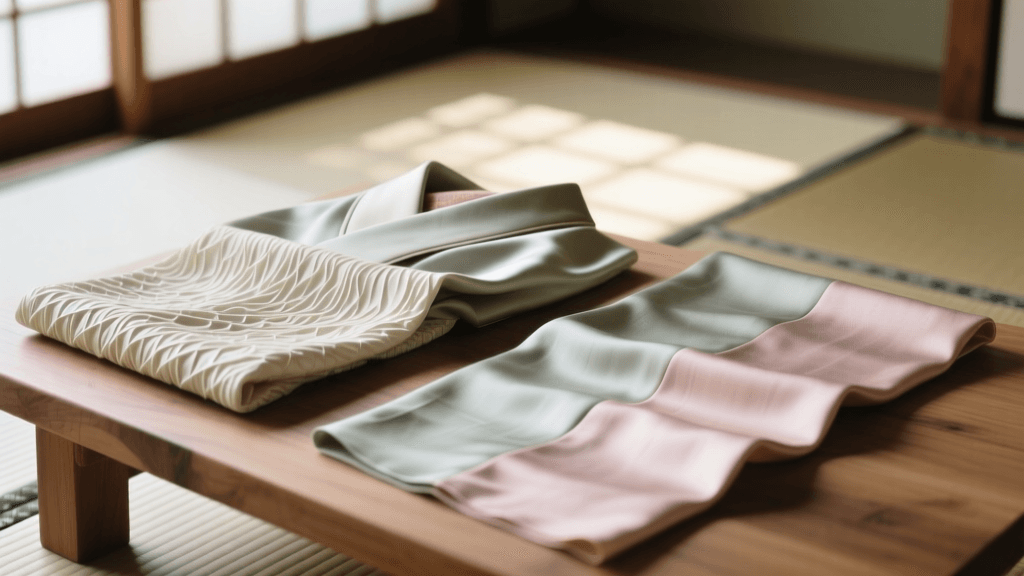
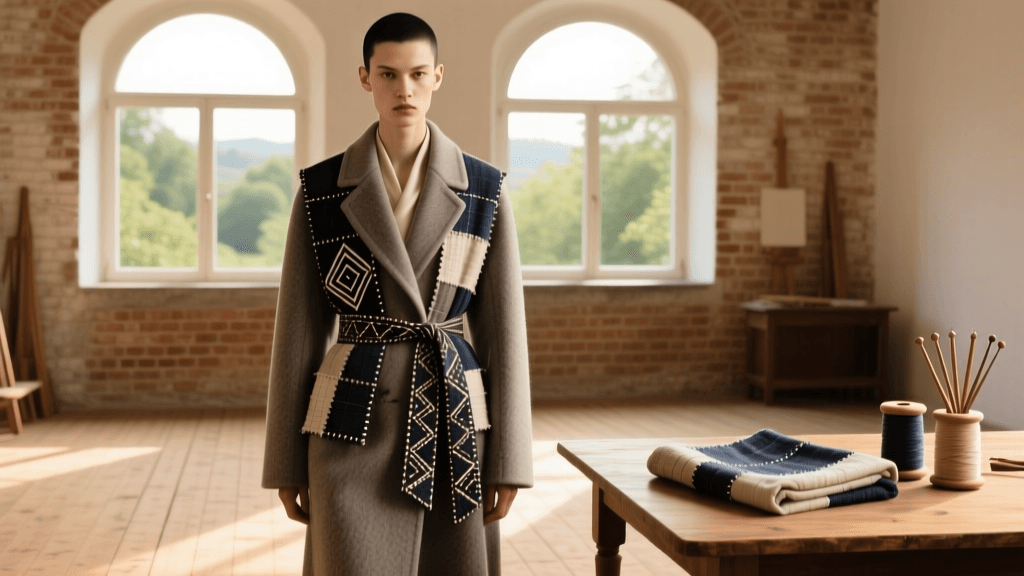
In 2026, the global fashion landscape has witnessed a profound paradigm shift, moving away from the relentless pursuit of the pristine and embracing the profound beauty of imperfection. At the forefront of this movement is the integration of traditional Japanese textile techniques—specifically Sashiko (functional embroidery) and Boro (patchwork mending)—into high-end international design collaborations. European luxury houses, historically rooted in the flawless execution of silk and leather, are now partnering directly with master artisans from Japan’s Tohoku and Aomori regions. This fusion is not merely an aesthetic choice; it is a deeply philosophical alignment with sustainability, heritage preservation, and the Japanese concept of wabi-sabi (finding beauty in impermanence and imperfection).
As documented in the extensive textile archives of the Victoria and Albert Museum's Asian collections, Boro textiles were originally born out of necessity among the peasant classes of northern Japan during the Edo period. Cotton was scarce, and garments were mended repeatedly over generations, creating dense, heavily textured patchworks that told the story of a family’s lineage. Today, these very techniques have become the ultimate symbol of exclusivity in the luxury sector, where the time-intensive nature of hand-stitching represents a defiance of mass production.
Structural Models of 2026 International Collaborations
The year 2026 has seen a maturation in how Western luxury conglomerates approach Eastern heritage crafts. The era of superficial cultural appropriation—where traditional motifs were simply printed onto modern fabrics—is over. Today’s collaborations are structured around ethical co-creation, fair compensation, and the elevation of the artisan to the status of a co-designer. According to ongoing industry analyses by The Business of Fashion, luxury brands are now investing heavily in localized supply chains and artisan residencies to ensure the authenticity and ethical sourcing of heritage textiles.
Below is a breakdown of the primary collaboration models dominating the 2026 luxury market:
| Collaboration Model | Methodology | 2026 Market Example | Price Range (USD) |
|---|---|---|---|
| Direct Artisan Residency | European designers travel to Japanese workshops (e.g., Tsugaru) to co-develop patterns with local masters using vintage indigo looms. | Parisian Haute Couture x Aomori Sashiko Guild | $8,500 - $22,000 |
| Heritage Archive Licensing | Luxury houses license authentic, antique Boro textiles (over 100 years old) to be deconstructed and integrated into modern outerwear silhouettes. | Milanese Outerwear Brands x Japanese Textile Archivists | $12,000 - $35,000 |
| Circular Upcycling Initiatives | Consumers send back damaged luxury denim or canvas pieces to be repaired by certified Sashiko artisans in Japan, creating a bespoke mended garment. | Global Luxury Denim Labels x Tohoku Mending Cooperatives | $1,200 - $3,500 (Service Fee) |
Authenticating Hand-Stitched Sashiko and Boro Textiles
With the exponential rise in demand for Japanese heritage textiles, the market has inevitably seen an influx of machine-made imitations. For collectors and enthusiasts investing in 2026 collaborative pieces, understanding the hallmarks of genuine hand-craftsmanship is essential. The Metropolitan Museum of Art's Asian Art department frequently highlights the structural nuances of historical Japanese textiles, which remain the gold standard for authentication today.
Key Indicators of Authenticity:
- Stitch Irregularity: Genuine Sashiko relies on the un-zashi (running stitch) technique. While master artisans achieve remarkable consistency, a microscopic examination will reveal slight variations in stitch length (typically between 3mm and 5mm) and tension. Machine stitching is mathematically perfect and lacks the subtle organic rhythm of the human hand.
- Thread Composition and Twist: Traditional Sashiko thread is made from tightly twisted cotton, designed to be incredibly strong yet soft enough to mold to the fabric over time. In 2026, luxury collaborations often use custom-spun, organic cotton threads dyed with natural Aizome (Japanese indigo). Synthetic threads or loosely spun mercerized cotton are immediate red flags.
- Indigo Oxidation and Depth: Authentic natural indigo dye penetrates the cotton fibers unevenly, leaving a white core visible when the thread is frayed. Furthermore, natural indigo continues to oxidize and shift in color over time, developing a rich, complex patina that synthetic dyes cannot replicate.
- The Reverse Side: In authentic Sashiko, the reverse side of the fabric should show a nearly identical pattern to the front, with minimal loose threads or knots. Artisans use a technique called itokoki to manage thread tension without relying on visible knots, ensuring the garment is comfortable against the skin.
Care, Maintenance, and Storage Protocols
Investing in a collaborative Boro or Sashiko luxury garment requires a commitment to specialized care. The intersection of antique textiles and modern luxury hardware (such as titanium zippers or gold-plated rivets) creates unique maintenance challenges. To preserve the structural integrity and color depth of these pieces in 2026, follow these strict care protocols:
Washing and Cleaning
Never dry clean authentic natural indigo or antique Boro textiles. The harsh chemicals used in commercial dry cleaning will strip the natural oils from the cotton and cause the indigo to bleed catastrophically. Instead, hand wash the garment in cold water (strictly below 20°C or 68°F) using a pH-neutral, detergent-free soap specifically formulated for delicate natural dyes. Submerge the garment for no more than three minutes, gently agitate, and rinse with cold water. Do not wring or twist the fabric; instead, roll it in a clean, dry cotton towel to absorb excess moisture before laying it flat to dry in a shaded, well-ventilated area.
Storage and Environmental Control
Ultraviolet light is the natural enemy of natural indigo. Prolonged exposure to direct sunlight will cause the deep blues to fade into a washed-out gray. Store your collaborative pieces in a cool, dark environment with a relative humidity level maintained between 45% and 55%. Use acid-free tissue paper to stuff the sleeves and torso, preventing deep creases that could eventually cause the antique cotton fibers to snap. Avoid wire hangers entirely; opt for wide, padded wooden hangers to distribute the weight of the heavy, multi-layered Boro textiles evenly.
Investment Potential and 2026 Market Valuations
From an investment perspective, Japanese heritage collaborations have outperformed many traditional luxury asset classes over the past three years. The scarcity of genuine antique Boro textiles—combined with the limited number of living Sashiko masters capable of executing complex, large-scale patterns—creates a severe supply bottleneck. In 2026, a collaborative outerwear piece featuring verified, century-old Boro patchwork and modern luxury tailoring routinely commands between $15,000 and $40,000 on the secondary market.
Furthermore, the narrative attached to these pieces significantly impacts their valuation. Garments that come with comprehensive documentation, including the lineage of the antique textile, the name of the specific artisan who executed the mending, and the carbon-neutral certification of the dyeing process, see a 30% to 45% premium at auction. As the global fashion industry continues to grapple with the environmental impact of overproduction, the Japanese philosophy of mottainai (a sense of regret concerning waste) has transitioned from a niche cultural concept to the defining luxury ethos of 2026. Collectors are no longer just buying clothing; they are acquiring wearable archives of human resilience, artistic mastery, and sustainable innovation.