2026 Sashiko Streetwear: Japanese Heritage in Global Collaborations
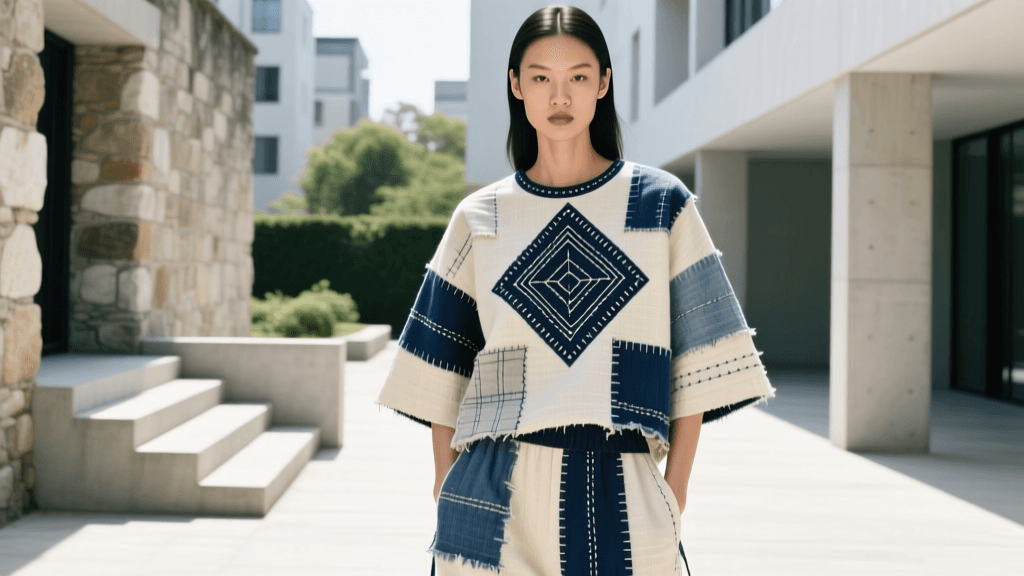
The Convergence of Wabi-Sabi and Global Streetwear
In the dynamic landscape of 2026 international fashion, the intersection of traditional Japanese craftsmanship and global luxury streetwear has evolved from a niche trend into a dominant market force. Today's most coveted collaborative garments are no longer defined merely by prominent logos or hype-driven scarcity; instead, they are anchored in the profound cultural narratives of Japanese textile heritage. At the forefront of this movement are Sashiko (decorative reinforcement stitching) and Boro (patchwork mending), two techniques born from rural necessity that have been elevated to the pinnacle of haute couture and premium streetwear. As global fashion houses partner with multi-generational artisans from regions like Tohoku and Okayama, the resulting 2026 collections offer a masterclass in sustainable luxury, merging the philosophical beauty of wabi-sabi with modern silhouettes.
The Philosophy of Mottainai in the 2026 Fashion Ecosystem
To understand the explosive demand for Sashiko and Boro collaborations in 2026, one must first understand the Japanese concept of Mottainai—a deep sense of regret concerning waste. Historically, during the Edo period, cotton and hemp were precious commodities in northern Japan. When workwear tore, it was not discarded; it was meticulously patched with scrap fabrics and reinforced with Sashiko stitching to extend its lifespan, eventually transforming into what we now recognize as Boro.
Fast forward to 2026, and this ethos perfectly aligns with the stringent new circularity mandates reshaping the global apparel industry. According to the Ellen MacArthur Foundation, the transition toward circular fashion has forced luxury conglomerates to abandon planned obsolescence in favor of garments designed for longevity, repairability, and emotional durability. Boro is the ultimate historical blueprint for circular design. By integrating authentic mending techniques into their collaborative streetwear lines, European and American fashion houses are not only complying with new Extended Producer Responsibility (EPR) frameworks but are also satisfying a consumer base that demands artisanal storytelling and sustainable practices.
The Anatomy of a 2026 Collaborative Garment
The most successful international collaborations of 2026 are those that refuse to compromise on material integrity. When a Parisian luxury house partners with a Kyoto-based textile studio or an Okayama denim mill, the resulting garments are marvels of technical and historical synthesis.
Base Textiles: Okayama Selvedge and Tohoku Hemp
The canvas for modern Sashiko is typically heavyweight selvedge denim or traditional hemp blends. In 2026, collaborative capsules frequently utilize 18oz to 22oz unsanforized denim woven on vintage shuttle looms in Okayama, providing a rugged foundation that molds to the wearer's body over time. For lighter, resort-wear collaborations, artisans are increasingly turning to heritage hemp blends from the Tohoku region, which offer natural breathability and a distinct, slubby texture that beautifully contrasts with precise geometric stitching.
The Dyeing Process: Authentic Aizome
True luxury collaborations in 2026 eschew synthetic indigo in favor of Aizome (natural fermented indigo). Sourced primarily from Tokushima Prefecture, natural sukumo indigo requires weeks of fermentation and multiple hand-dips to achieve the deep, living blue known as kame-nozoki (peering into a jar). Unlike synthetic dyes, natural indigo penetrates the cotton fibers unevenly, resulting in a dynamic fade that evolves with the wearer, ensuring that no two collaborative pieces will ever age exactly the same way.
Market Tiers and Investment Value in 2026
As the market for Japanese heritage streetwear has matured, a clear stratification has emerged. Collectors and enthusiasts navigating the 2026 market should understand the distinctions between mass-produced mimicry and authentic artisanal collaborations. The table below outlines the current landscape of Sashiko and Boro streetwear.
| Market Tier | Collaboration Type | Technique & Materials | 2026 Price Range (USD) | Investment Potential |
|---|---|---|---|---|
| Entry-Level | Fast-Fashion / Mall Streetwear Capsules | Machine-embroidered Sashiko patterns, synthetic indigo, standard cotton. | $150 - $450 | Low (Depreciates immediately) |
| Mid-Tier | Premium Denim & Streetwear Brands | Hand-stitched Sashiko accents, natural Aizome dye, 14oz-18oz selvedge denim. | $800 - $2,500 | Medium (Holds value well) |
| Grail / Haute | Luxury Houses & Archival Artisan Collabs | Antique Boro panels integrated into modern tailoring, heritage silk/hemp, full hand-stitching. | $4,000 - $15,000+ | High (Appreciates as archival art) |
How to Verify Authenticity in Collaborative Pieces
With the premium placed on Japanese heritage techniques, the 2026 market has seen an influx of garments that visually mimic Sashiko but lack the structural and cultural authenticity of the craft. When investing in a high-end collaborative piece, look for the following markers of authenticity:
- The Reverse Side: Authentic hand-stitched Sashiko is a running stitch that is meant to be visible on both sides of the fabric, though the pattern is primarily on the front. If the inside of the garment shows a chaotic web of bobbin threads or a flat, fused backing, it is machine-embroidered.
- Stitch Irregularity: The beauty of hand-stitching lies in its human element. While master artisans possess incredible precision, a microscopic variation in stitch length (typically 8 to 10 stitches per inch) and the slight pull of the thread against the denim are hallmarks of handwork.
- Provenance Tagging: Genuine collaborations will often feature co-branding with certified artisan cooperatives. Look for tags indicating certification by the Japanese Ministry of Economy, Trade and Industry (METI). The METI Traditional Craft Products designation ensures that the techniques, materials, and regional origins meet strict historical standards.
Caring for Sashiko and Boro Streetwear
Owning a collaborative piece featuring authentic Boro or natural Aizome requires a departure from standard laundry habits. To preserve the integrity of the threads and the depth of the natural dyes in 2026's luxury garments, follow these meticulous care guidelines:
"Treat a Boro garment not as clothing, but as a living archive. Every wash should be a deliberate act of preservation, not a routine chore." — Master Artisan collective guidelines, Tsugaru Sashiko Cooperative.
- Washing: Avoid machine washing entirely. Hand wash the garment inside out in cold water (strictly below 20°C) using a pH-neutral, specialized denim detergent. Natural indigo will continue to bleed slightly; this is normal and part of the aging process.
- Drying: Never use a tumble dryer, as the heat will shrink the base cotton and cause the thicker Sashiko threads to pucker or snap. Roll the garment in a clean towel to press out excess water, then hang it to air dry in a shaded, well-ventilated area. Direct sunlight will cause the natural indigo to oxidize and turn brittle.
- Storage: Store heavy Sashiko jackets on wide, wooden hangers to support the weight of the reinforced fabric. For delicate Boro patchwork pieces, fold them loosely with acid-free tissue paper to prevent permanent creasing along the mend lines.
The Cultural Significance of Global Preservation
The integration of Japanese mending techniques into international streetwear is more than a fleeting aesthetic choice; it is a vital mechanism for cultural preservation. Many rural artisan communities in Japan face declining populations and a lack of successors. By partnering with global fashion houses, these artisans gain access to international capital and a new generation of apprentices eager to learn the craft.
As noted by textile historians at the Metropolitan Museum of Art, Japanese textiles have long served as a canvas for both social status and regional identity. Today's collaborative streetwear continues this legacy, translating the rural workwear of the 19th century into the luxury armor of the 21st century. When a consumer in New York, London, or Tokyo purchases a meticulously crafted Sashiko jacket from a 2026 collaborative capsule, they are not merely buying a garment; they are funding the survival of a centuries-old philosophy that finds profound beauty in repair, resilience, and the passage of time.
Conclusion
The 2026 landscape of Japanese fashion in international design collaborations proves that true luxury is rooted in time, intention, and heritage. Sashiko and Boro have transcended their utilitarian origins to become the gold standard for sustainable, high-end streetwear. For collectors, enthusiasts, and advocates of traditional Asian garments, these collaborative pieces represent the perfect synthesis of past and future—a wearable testament to the enduring power of Japanese craftsmanship on the global stage.