Best Ahimsa Silk & Cupro Blends for Cheongsam & Hanbok 2026

The 2026 Shift Toward Ethical Textiles in Asian Heritage Fashion
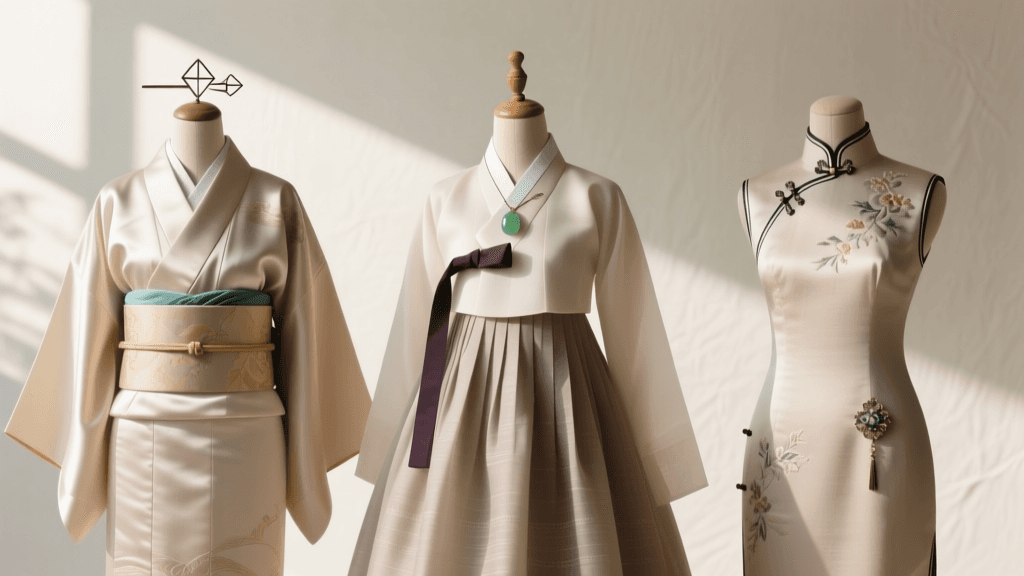
The landscape of Asian traditional garments has undergone a remarkable transformation as we move through 2026. While the silhouettes of the Korean hanbok and the Chinese cheongsam (qipao) remain deeply rooted in centuries of cultural heritage, the textiles used to construct them are rapidly evolving. Today's designers and home sewists are moving away from conventional, resource-intensive mulberry silk and synthetic polyesters, opting instead for cruelty-free and closed-loop alternatives. Two fabrics have emerged as the undisputed leaders in the 2026 sustainable heritage market: Ahimsa (Peace) Silk and Cupro blends.
Understanding the historical context of these garments is crucial. As noted by the Victoria and Albert Museum's textile archives, silk has been the cornerstone of Asian luxury dress for millennia. However, the traditional sericulture process involves boiling the cocoon with the moth inside. In 2026, the demand for ethical fashion has made Ahimsa silk—where the moth is allowed to emerge naturally before the cocoon is harvested—a premier choice for hanbok construction. Meanwhile, Cupro, a regenerated cellulose fiber, has become the secret weapon for modern, travel-friendly cheongsams.
Ahimsa Silk: The Ethical Choice for Modern Hanbok
Ahimsa silk, often referred to as Peace Silk, offers a unique tactile experience that perfectly suits the structural yet flowing requirements of the hanbok. Unlike the perfectly smooth, high-sheen finish of conventional charmeuse, Ahimsa silk possesses a slightly nubby, organic texture reminiscent of raw silk or linen, but with the inherent temperature-regulating properties of protein fibers.
Why It Works for the Chima and Jeogori
The traditional hanbok consists of the chima (a full, wrap-around skirt) and the jeogori (a short, structured jacket). In 2026, modern hanbok designers favor a 14 to 16 momme weight Ahimsa silk. This weight provides enough body to hold the deep, voluminous pleats of the chima without requiring heavy, uncomfortable synthetic linings. For the jeogori, the fabric's slight tooth allows it to grip the traditional goreum (ribbon ties) securely, preventing the bow from slipping throughout the day.
Furthermore, Ahimsa silk takes natural and low-impact dyes beautifully. The muted, earthy tones and soft pastels that dominate the 2026 spring hanbok collections are largely achieved through the excellent color absorption of Peace Silk. Expect to pay between $45 and $65 per yard for certified organic Ahimsa silk in 2026, reflecting the labor-intensive, ethical harvesting process.
Cupro Blends: The Modern Cheongsam’s Secret Weapon
While Ahimsa silk excels in volume and structure, the modern cheongsam requires a fabric that offers fluid drape, vibrant color saturation, and mechanical comfort. Enter Cupro. Produced from cotton linter (the ultra-fine, silky fibers that cling to cotton seeds after ginning), Cupro is a regenerated cellulose fabric that mimics the luxurious hand-feel of silk but boasts the breathability of cotton and the durability of synthetics.
The Bemberg Standard and Elastane Blends
According to Asahi Kasei's official Bemberg Cupro portal, the closed-loop manufacturing process of Cupro ensures that nearly 100% of the solvents used are recovered and reused, making it a highly sustainable choice for 2026 eco-conscious sewists. For the cheongsam, which evolved into a form-fitting, bias-cut silhouette in the mid-20th century, pure Cupro can sometimes lack the necessary recovery for tight seams.
The 2026 industry standard for qipao construction is a 95% Cupro / 5% Elastane blend. This specific composition, typically weighing around 130 to 150 GSM (grams per square meter), provides a subtle two-way stretch. This stretch is revolutionary for the cheongsam, allowing for a snug, tailored fit across the bodice and hips without restricting movement or causing seam strain when sitting. Priced accessibly at $22 to $35 per yard, Cupro blends offer an unparalleled luxury-to-cost ratio for everyday and bridal qipaos alike.
2026 Fabric Comparison Chart: Ahimsa Silk vs. Cupro
| Feature | Ahimsa (Peace) Silk | Cupro / Elastane Blend |
|---|---|---|
| Fiber Origin | Protein (Cruelty-free silkworm cocoon) | Regenerated Cellulose (Cotton linter) |
| Weight / Thickness | 14 - 16 Momme | 130 - 150 GSM |
| Drape & Hand-Feel | Structured, slightly nubby, matte sheen | Fluid, silky smooth, subtle luster |
| 2026 Avg. Cost | $45 - $65 per yard | $22 - $35 per yard |
| Best Garment Use | Hanbok Chima & Jeogori, Obi sashes | Cheongsam (Qipao), Linings, Bias tape |
| Care Instructions | Dry clean or cold hand wash, press low | Machine wash cold (gentle), hang dry |
Actionable Sewing and Construction Techniques
Working with these specialized 2026 textiles requires specific tools and techniques to ensure your traditional garments achieve a professional, couture-level finish.
Needle and Thread Selection
For Ahimsa silk, abandon universal needles. The slightly textured weave requires a sharp point to prevent snagging and puckering. Use a Schmetz Microtex (Sharp) needle, size 70/10. Pair this with a high-quality 100% polyester thread, such as Gutermann Mara 100, which offers the necessary tensile strength while blending seamlessly into the silk's matte finish.
For Cupro blends, the elastane content means the fabric will stretch slightly as it feeds through the machine. A ballpoint or stretch needle (size 75/11) is ideal to part the fibers without breaking the elastane cores. Use a polyester thread with a slight give, and consider using a walking foot attachment to ensure the top and bottom layers of the slippery Cupro feed evenly, especially when sewing the curved side slits of a cheongsam.
Interfacing and Pankou (Frog Closures)
The mandarin collar and the intricate pankou (knotted frog closures) are the hallmarks of a well-made cheongsam. When working with Cupro blends, avoid heavy woven interfacings that will stiffen the fluid drape. Instead, use a lightweight, sheer knit fusible interfacing (such as Pellon EK130 or Vilene G785). This provides the necessary stability for the collar stand and the button loops while maintaining the fabric's natural bias movement.
When crafting your own pankou knots from Cupro bias strips, lightly mist the fabric with a 50/50 water and liquid starch solution before pressing. This temporarily gives the slippery Cupro the 'grip' of cotton, making it significantly easier to roll, knot, and hand-stitch into complex floral or geometric shapes.
Sourcing and Verifying Sustainable Textiles
As the demand for ethical fabrics grows, greenwashing has unfortunately become prevalent in the textile market. When sourcing Ahimsa silk or Cupro for your 2026 projects, it is vital to verify the supply chain. The Textile Exchange's Preferred Fiber and Materials Matrix remains the gold standard for verifying the environmental and social impact of global fiber production.
When purchasing Ahimsa silk, look for sellers who provide a Peace Silk certification or a transparent supply chain tracing back to specific cooperatives in India, where the majority of Ahimsa silk is produced. For Cupro, ensure the fabric is branded as Bemberg, as this guarantees the closed-loop, eco-friendly manufacturing process that generic, unbranded 'vegan silks' often lack.
Care and Longevity of Heritage Garments
Proper care ensures these garments become lasting heirlooms. Ahimsa silk hanboks should ideally be stored flat or rolled in unbleached cotton muslin to prevent permanent creasing along the pleat lines of the chima. Never hang a heavy silk skirt, as the weight will distort the weave over time.
Cupro cheongsams are remarkably resilient. To maintain the vibrant 2026 dye lots, always wash in cold water using a pH-neutral detergent. Avoid wringing the fabric; instead, roll the garment in a clean towel to absorb excess moisture before hanging it to dry in the shade. When pressing, always use a Teflon press cloth on a low-to-medium heat setting to prevent the cellulose fibers from developing an unwanted, permanent shine.
By embracing Ahimsa silk and Cupro blends, modern sewists and designers are not only preserving the breathtaking silhouettes of Asian traditional dress but are also actively participating in the vital 2026 movement toward a more sustainable, ethical, and innovative global textile industry.