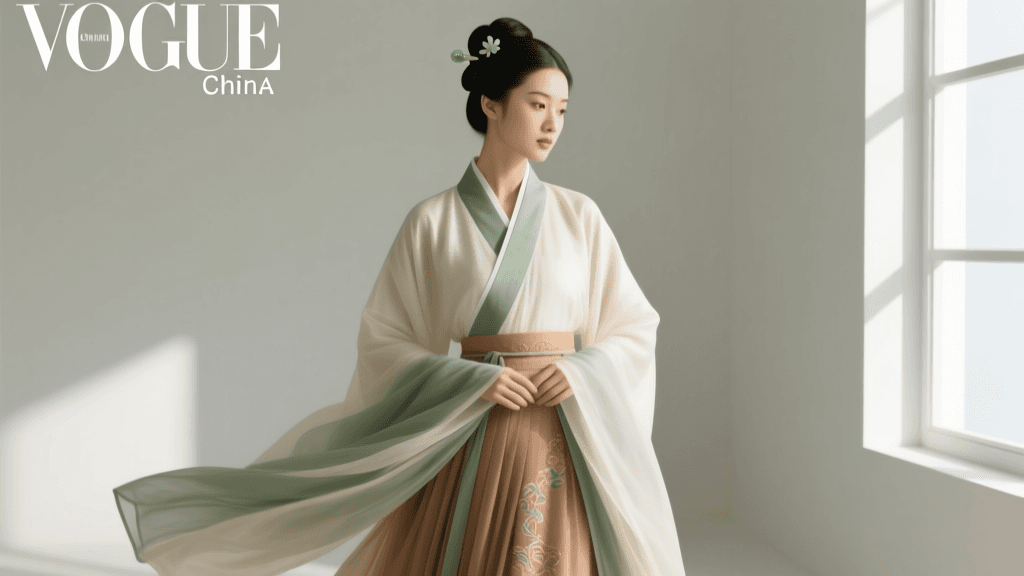
Kimono vs Hanbok vs Cheongsam: 2026 Formal Wear Guide
The Renaissance of Asian Formal Wear in 2026
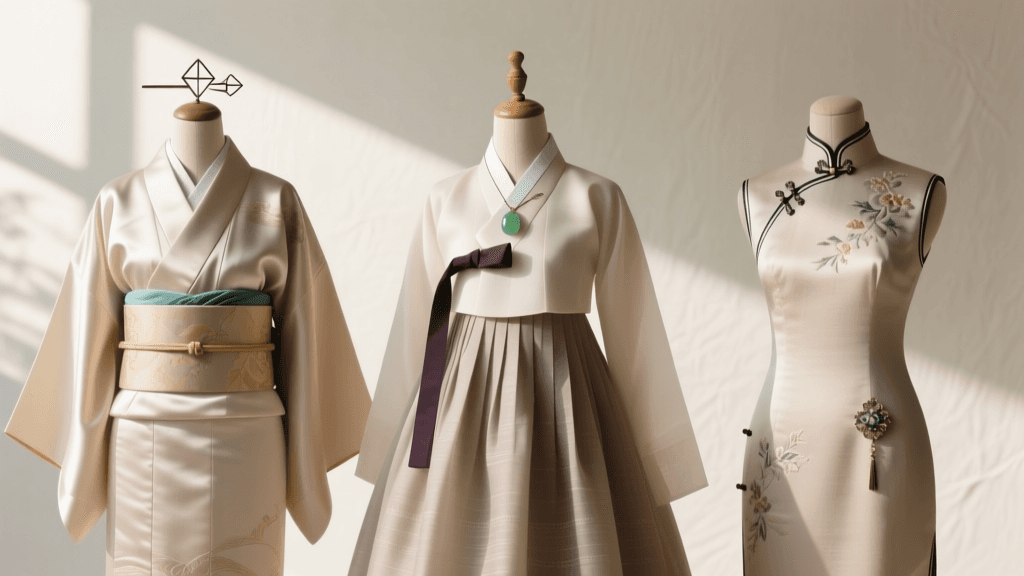
As global fashion continues to embrace cultural heritage and sartorial storytelling in 2026, traditional Asian formal garments have experienced a massive resurgence on international red carpets, at luxury weddings, and during high-society galas. The kimono of Japan, the hanbok of Korea, and the cheongsam (qipao) of China represent three distinct philosophies of dress, each with unique structural silhouettes, textile traditions, and tailoring requirements. For modern consumers looking to invest in these masterpieces, understanding the nuances of fabric, fit, and 2026 market pricing is essential. This comprehensive guide compares these three iconic garments, providing actionable advice on sourcing, bespoke tailoring costs, and modern styling for formal events.
The Kimono: Structured Elegance and Yuzen Dyeing
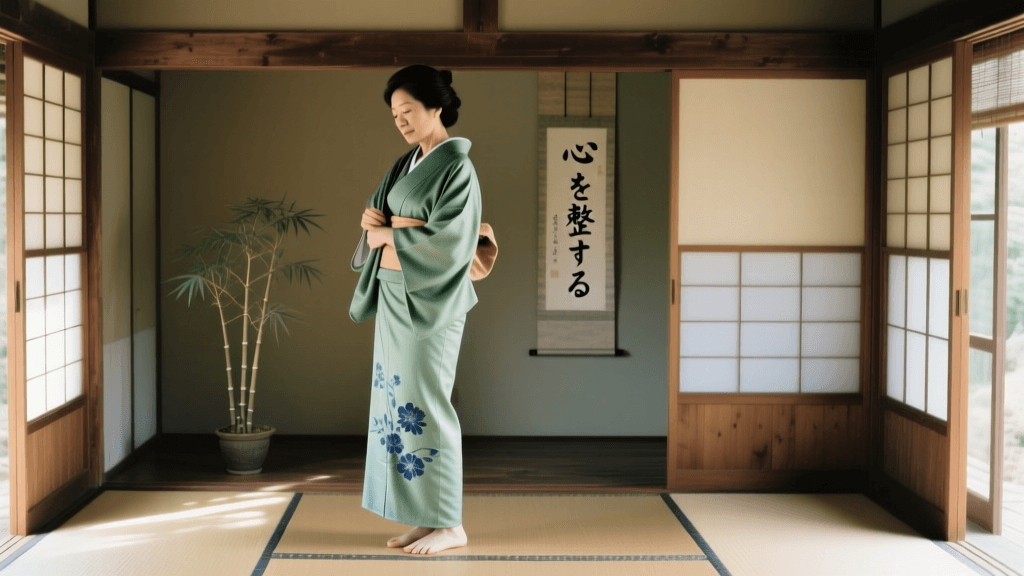
The Japanese kimono is defined by its T-shaped, straight-lined robe structure, which relies entirely on the art of wrapping and tying rather than tailored darts or seams to conform to the body. For formal events in 2026, the furisode (featuring long, swinging sleeves) remains the pinnacle of formal wear for unmarried women, while the kurotomesode (black with hem patterns) serves as the ultimate formal garment for married women.
The value of a formal kimono lies in its textile. In 2026, authentic Nishijin-ori (brocade weaving) and Yuzen (resist-dyeing) techniques command premium prices due to a shrinking artisan workforce. According to the UNESCO Intangible Cultural Heritage archives, the preservation of these complex silk production techniques is a matter of global cultural importance, which directly impacts the scarcity and cost of new, handcrafted pieces.
2026 Sourcing and Pricing: A brand-new, bespoke formal furisode with hand-painted Yuzen motifs and real gold leaf application will typically cost between $4,500 and $12,000 USD in 2026. However, a major trend this year is the upcycling of vintage mid-century silks. Savvy buyers are sourcing pristine vintage kimono shells and having them professionally re-lined and tailored into modern formal configurations for roughly $800 to $1,500 USD. Accessorizing requires an obi (sash), obijime (cord), and zori (sandals), which can add another $1,000 to the total ensemble cost.
The Hanbok: Volumetric Silhouettes and Modern Organza
The traditional Korean hanbok is celebrated for its voluminous, flowing lines and vibrant color contrasts, rooted in the philosophical principles of yin and yang and the five elements. A formal women's hanbok consists of a jeogori (short jacket) and a full chima (wrap skirt), while formal menswear features a jeogori paired with baji (trousers) and a durumagi (overcoat). For royal or ultra-formal aesthetics, the hwalot (ceremonial robe) or wonsam are utilized.
In 2026, the hanbok has seen a significant evolution in fabric technology. While traditional myeongju (silk) remains popular, modern formal hanbok designers are heavily favoring lightweight silk organza (sa) and structural synthetic blends that hold the bell-shape of the skirt without requiring the heavy, restrictive traditional petticoats (sokchima). This shift allows for greater mobility at multi-hour galas and summer weddings.
2026 Sourcing and Pricing: Commissioning a bespoke formal hanbok from a master tailor in Seoul's Bukchon Hanok Village or through high-end international ateliers typically ranges from $1,200 to $4,500 USD in 2026. The cost is heavily dictated by the complexity of the geumbak (gold leaf stamping) on the jacket and the number of layers in the skirt. Essential accessories include the norigae (a decorative pendant tied to the jacket or skirt) and kkotsin (embroidered silk shoes), which generally cost an additional $200 to $600.
The Cheongsam: Bespoke Tailoring and Suzhou Embroidery
The cheongsam, or qipao, is a masterclass in body-conscious tailoring. Originating in 1920s Shanghai, it has evolved into a symbol of sophisticated, modern Asian elegance. Characterized by its high mandarin collar, asymmetric side closures fastened with pankou (knotted buttons), and side slits, the cheongsam demands absolute precision in measurement. Unlike the wrapping kimono or the voluminous hanbok, the cheongsam is constructed using Western-style darts and seams to contour intimately to the wearer's figure.
For 2026 formal events, the most coveted cheongsams feature heavy silk crepe, Xiangyunsha (mud-dyed silk), or velvet, adorned with intricate Su (Suzhou) embroidery. A major innovation in the 2026 cheongsam market is the integration of 3D biometric body scanning in Shanghai and Singapore boutiques. This technology captures over 120 micro-measurements, ensuring a flawless bespoke fit while reducing the traditional fitting process from four sessions down to just two.
2026 Sourcing and Pricing: The Metropolitan Museum of Art's Asian Art Department has long documented the qipao's evolution from loose-fitting garments to the tailored silhouettes we recognize today. In 2026, a made-to-measure formal cheongsam using mid-grade silk and machine-assisted embroidery starts around $900. However, a fully bespoke, hand-embroidered masterpiece crafted by a heritage tailor will command between $3,500 and $8,000 USD. Proper undergarments, specifically seamless shapewear and specialized low-back bustiers, are critical for the modern cheongsam and should be factored into the styling budget.
2026 Formal Garment Comparison Matrix
To help you decide which garment best suits your upcoming formal event, refer to the comparison table below detailing structural and financial metrics for 2026.
| Feature | Kimono (Japan) | Hanbok (Korea) | Cheongsam / Qipao (China) |
|---|---|---|---|
| Silhouette | Straight, T-shaped, wrapped | Voluminous, bell-shaped skirt | Body-contouring, darted |
| Primary Formal Fabric | Nishijin brocade, Yuzen silk | Myeongju silk, silk organza | Heavy silk crepe, mud silk |
| 2026 Bespoke Cost | $4,500 - $12,000+ | $1,200 - $4,500 | $3,500 - $8,000 |
| Tailoring Lead Time | 3 to 6 months | 4 to 8 weeks | 6 to 12 weeks |
| Key Formal Accessory | Obi sash, Zori sandals | Norigae pendant, Kkotsin shoes | Pankou knots, hairpins |
| Best Formal Occasion | Traditional weddings, tea ceremonies | Chuseok, royal-themed galas | Red carpets, modern banquets |
Sourcing, Fitting, and Wardrobe Care
Investing in traditional Asian formal wear requires a commitment to proper sourcing and long-term preservation. When purchasing vintage or antique pieces, always request a condition report detailing the state of the silk's tensile strength, as older dyes can become brittle. For new commissions, ensure your tailor specializes specifically in the garment you are ordering; a master qipao tailor may not possess the specialized knowledge required to properly align the repeating patterns of a kimono's horizontal seams.
Climate-controlled storage is non-negotiable for these textiles. The Victoria and Albert Museum's Asian textile archives emphasize that silk is highly susceptible to light damage and humidity fluctuations. Store your garments flat in acid-free tissue paper within archival boxes. Never hang a heavy silk kimono or a beaded cheongsam on standard hangers, as the weight of the fabric will distort the shoulders and warp the delicate seams over time. For the hanbok, the voluminous skirt can be hung by its waist ties, but the delicate jacket should be folded and stored separately to maintain the structural integrity of the collar.
Finally, dry cleaning should be avoided unless absolutely necessary, as harsh chemicals strip silk of its natural sericin proteins. Instead, utilize specialized ozone-cleaning services or traditional airing techniques to refresh the garments between formal events. By understanding the unique construction, current market values, and preservation needs of the kimono, hanbok, and cheongsam, you can confidently invest in a piece of living history that will serve as a stunning sartorial statement for decades to come.