Hanfu Revival Guide: Buying and Styling Your First Outfit
The Hanfu Revival: More Than Just a Fashion Trend
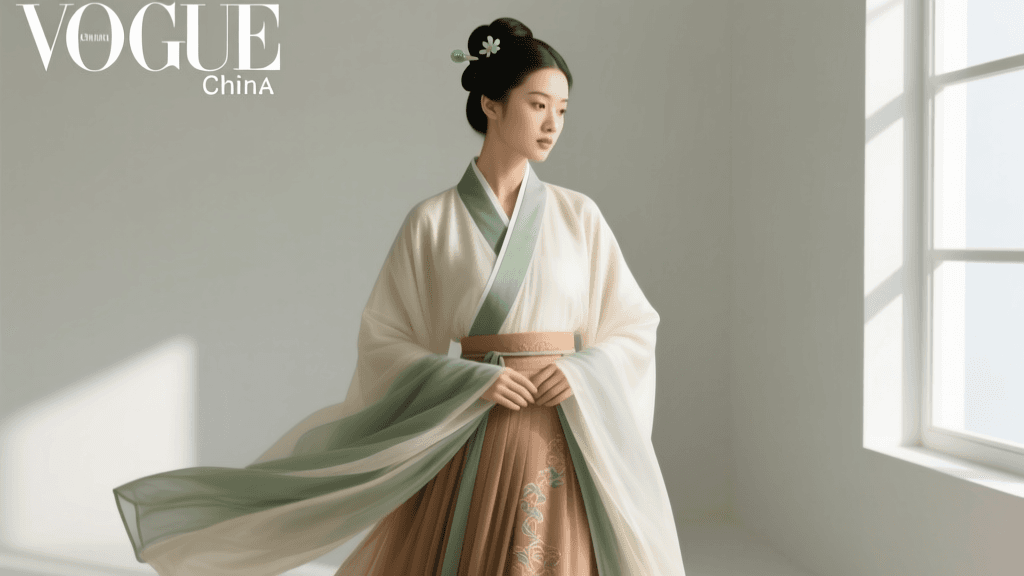
Over the past two decades, the streets of Beijing, Shanghai, and Chengdu have witnessed a vibrant sartorial renaissance. The Hanfu movement, known locally as Hanfu Yundong, has transformed traditional Han Chinese clothing from a relic of museum exhibits into a dynamic, everyday fashion statement. What began in the early 2000s as a niche cultural pursuit by university students has exploded into a multi-billion-dollar industry, driven by social media platforms like Douyin and TikTok, and a profound desire among younger generations to reconnect with their pre-Qing dynasty heritage.
Unlike theatrical costumes or modernized 'Chi-Pao' (Qipao) designs, authentic Hanfu adheres to historical tailoring techniques, utilizing flat-pattern cutting, cross-collars (jiao ling), and right-over-left lapels (you ren). According to a feature by BBC Travel, the movement is deeply tied to cultural confidence, with millions of enthusiasts wearing these garments to commute, work, and travel. For the uninitiated, stepping into the world of Hanfu can feel overwhelming due to the vast array of dynastic styles, complex layering systems, and specialized terminology. This comprehensive guide will walk you through everything you need to know to buy, measure, and style your very first authentic Hanfu outfit.
Decoding the Silhouettes: Song, Ming, and Tang
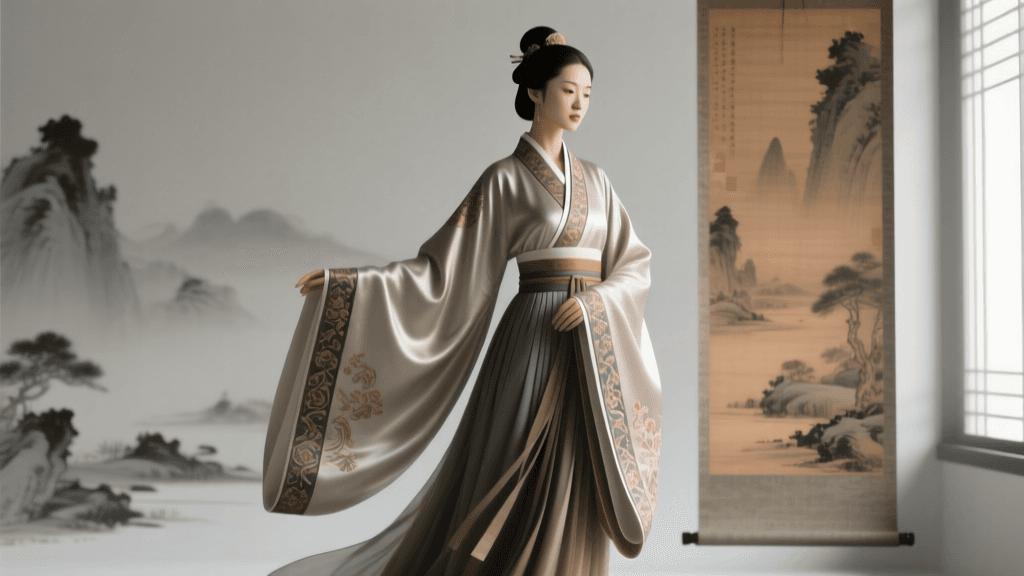
The term 'Hanfu' encompasses over three millennia of clothing history. However, the modern revival primarily focuses on three distinct dynastic eras, each offering a unique silhouette, fabric preference, and cultural vibe. Choosing the right era is the first step in building your wardrobe.
| Dynasty | Key Garments | Silhouette & Vibe | Best Occasion | Avg. Cost (USD) |
|---|---|---|---|---|
| Song (960-1279) | Beizi (long jacket), MoXiong (tube top), BaiZheQun (pleated skirt) | Slender, minimalist, elegant, and highly practical for daily wear. | Office wear, casual outings, summer events. | $60 - $140 |
| Ming (1368-1644) | Ao (lined jacket), MamianQun (horse-face skirt), Pifeng (cape) | Structured, regal, voluminous, with heavy emphasis on intricate weaves and embroidery. | Winter wear, formal events, festivals, weddings. | $120 - $400+ |
| Tang (618-907) | Qixiong Shanqun (chest-high skirt), Banbi (half-sleeve jacket) | Romantic, flowing, vibrant, featuring high waists and bold, cosmopolitan patterns. | Spring/Summer outings, photography, cultural festivals. | $80 - $200 |
The Ming Dynasty MamianQun: A Modern Staple
If there is one garment that has successfully bridged the gap between historical accuracy and modern high fashion, it is the Ming Dynasty MamianQun (horse-face skirt). Characterized by its flat front and back panels with heavily pleated sides, the MamianQun is incredibly versatile. As noted by the South China Morning Post, luxury brands and indie designers alike have adopted the MamianQun silhouette, pairing it with modern blazers or knitwear. When buying your first skirt, look for one made from woven jacquard or Song brocade, ensuring the pleats are heat-set or stitched at the top to maintain their structure during movement.
The Anatomy of a Hanfu Outfit: The Art of Layering
Traditional Chinese clothing is not a single dress, but a modular system of layers designed to accommodate changing weather and strict codes of modesty. To dress correctly, you must understand the three primary layers:
- Neiyi (Inner Layer): This is the traditional undergarment. For women, this often includes a Moxiong (a tube top or camisole) and a lightweight cotton slip skirt. It provides a barrier between your skin and the more delicate, harder-to-wash outer silk layers.
- Zhongyi (Middle Layer): Acting as the structural foundation, the Zhongyi is usually a simple, white or unbleached cotton cross-collar shirt and trousers. It ensures that the outer layers drape correctly and prevents any modern undergarments from showing through the collar or sleeves.
- Waiyi (Outer Layer): This is the showpiece. Depending on the season, this could be a lightweight Song dynasty Beizi (open-front long jacket) or a heavily lined Ming dynasty Ao with a standing collar and metal buttons.
How to Measure Yourself for Hanfu
Unlike Western fashion, which relies on standardized S/M/L sizing based on bust and waist circumference, traditional Hanfu utilizes a flat-pattern cutting system. Garments are cut from rectangular pieces of fabric, meaning the fit is dictated more by your height, arm span, and weight rather than precise bodily curves. When ordering from traditional makers or Taobao boutiques, you will need the following measurements:
- Height (Shen Gao): The most critical metric. It determines the length of the skirt and the placement of the waistline. Measure barefoot from the crown of your head to the floor.
- Weight (Ti Zhong): Used by traditional tailors to estimate the circumference needed for the wrap-around skirts and the width of the bodice.
- Arm Span (Bi Zhan): Measure from the tip of one middle finger to the other with arms outstretched. Traditional Hanfu sleeves (especially the dramatic Daxiushan or large sleeves) are cut to extend past the hands, requiring precise arm span data to ensure the fabric pools correctly at the wrists.
- Chest/Waist Circumference: While less critical for the outer jackets due to their wrap-around nature, this is vital for ordering the Moxiong (tube top) and ensuring the skirt waistband fits securely without gaping.
"The beauty of Hanfu lies in its forgiveness. Because it is not tailored to cling to the body's contours, it drapes fluidly, allowing the fabric's weight and the wearer's movement to create the silhouette." — Traditional Textile Conservator.
Market Guide: Costs, Brands, and Where to Buy
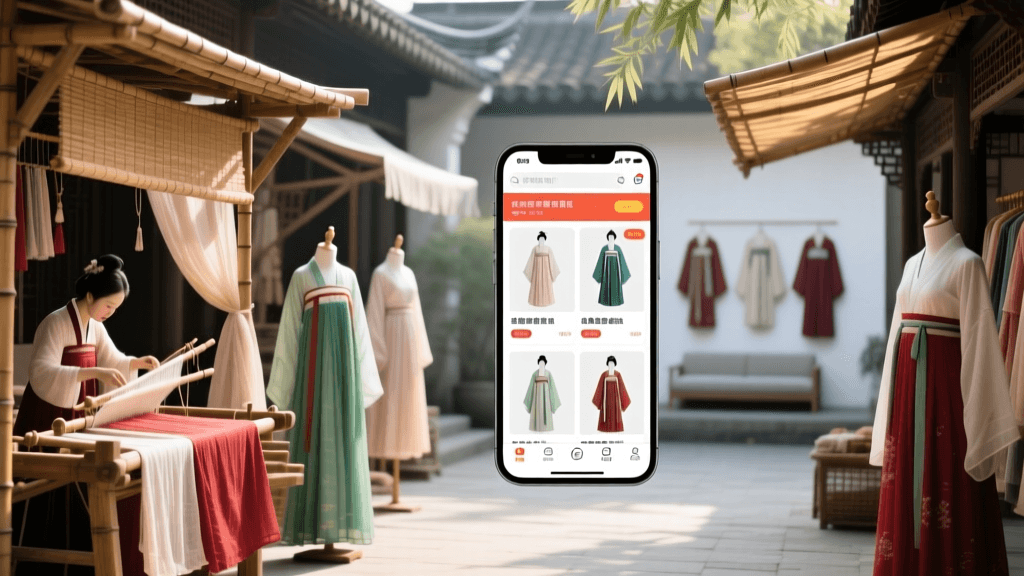
The Hanfu market is vast, ranging from mass-produced polyester costumes to museum-grade silk reproductions. As Reuters reported, the market for Hanfu enthusiasts has grown exponentially, creating distinct tiers of quality and pricing. Here is how to navigate your purchase:
1. Entry-Level & Budget ($40 - $80)
Brands like Chuan Dai and various unbranded Taobao shops offer affordable sets made from polyester blends and cotton-linen. These are excellent for testing out silhouettes and attending casual conventions. However, be wary of 'costume-grade' items that feature incorrect left-over-right collars or modern zipper closures, which violate traditional construction rules.
2. Mid-Tier Enthusiast ($90 - $200)
This is the sweet spot for most beginners. Brands such as Shisanyu, Zhongling, and Lanyue offer historically accurate patterns, high-quality jacquard weaves, and proper tying mechanisms. At this price point, you can expect authentic MamianQun skirts with woven metallic threads and Beizi jackets made from breathable, high-grade linen or Tencel.
3. High-End & Couture ($300 - $1,500+)
For collectors and formal occasions, brands like Minghuatang and Tingyue Pavilion are the gold standard. They utilize intangible cultural heritage techniques, such as Xiangyunsha (gambiered Guangdong silk dyed with river mud and vegetable dyes) and authentic gold-leaf brocade weaving. These garments are investment pieces, often requiring months of pre-order wait times due to the meticulous handcrafted nature of the textiles.
Styling and Accessories: Completing the Look
A Hanfu outfit is incomplete without its accompanying accessories. Traditional styling avoids modern synthetic wigs in favor of elegant, period-appropriate hairpieces and jewelry.
- Hair and Headwear: For a Song dynasty look, hair is typically tied back with a simple silk ribbon or secured with a minimalist jade or wooden hairpin (Zan). Tang dynasty styling allows for more elaborate updos adorned with floral combs and dangling buyao (step-shake hairpins). If you have short hair, velvet wrap hats or Ming-style Diji (hair crowns) are excellent, historically accurate alternatives.
- Footwear: While traditional cloth boots or embroidered flat shoes (Gongxie) are authentic, they lack modern arch support. Most contemporary enthusiasts opt for Mary Jane shoes, loafers, or minimalist leather flats that mimic the silhouette of traditional footwear without sacrificing comfort for city walking.
- Makeup: Modern Hanfu styling often incorporates the Huadian (floral applique or painted motif on the forehead) popularized in the Tang dynasty. Using a soft red or gold eyeliner to draw a subtle plum blossom or diamond shape between the brows instantly elevates the traditional aesthetic.
Caring for Your Traditional Garments
Because authentic Hanfu relies on natural fibers and complex pleating, proper care is essential. Never machine-wash a MamianQun or silk Ao. Instead, hand-wash silk garments in cold water using a pH-neutral silk detergent. To dry, lay the garment flat on a mesh rack away from direct sunlight to prevent the dyes from fading. For pleated skirts, always store them by hanging them from clips that grip the waistband, allowing gravity to maintain the pleats, or roll them tightly around a cardboard tube if drawer space is your only option.
Conclusion
The Hanfu revival is a living, breathing testament to the enduring appeal of traditional Asian craftsmanship. By understanding the historical context, mastering the art of measurement, and investing in quality garments, you are not just buying clothes; you are participating in a global cultural renaissance. Whether you choose the understated elegance of a Song dynasty Beizi for a summer coffee date or the majestic warmth of a Ming dynasty MamianQun for a winter festival, your first Hanfu outfit is a gateway to centuries of artistry, philosophy, and beauty.