Sashiko and Boro in 2026 Luxury Fashion Collaborations
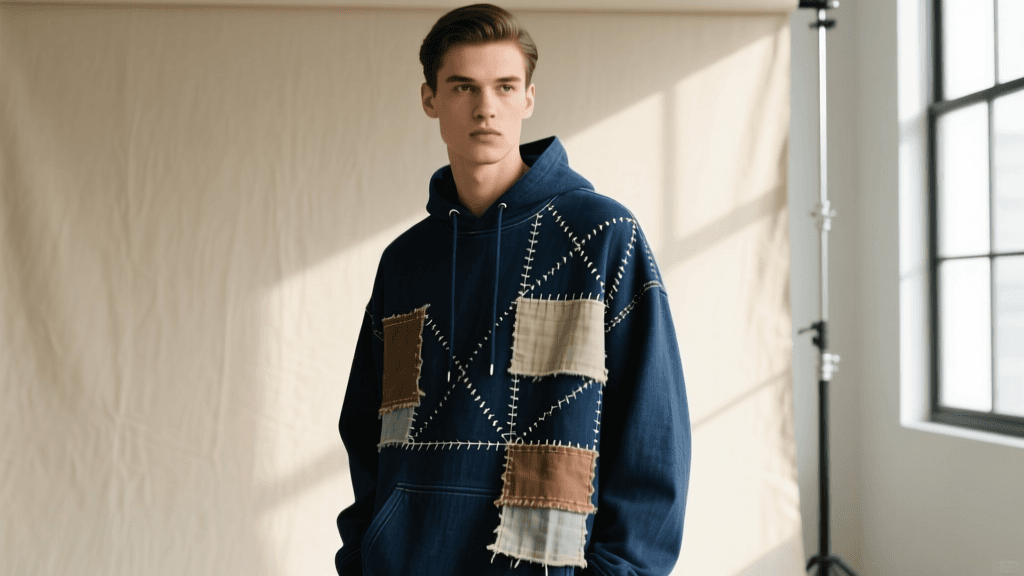
The Renaissance of Japanese Patchwork and Embroidery
In the dynamic landscape of 2026 global fashion, the intersection of European luxury and traditional Japanese craftsmanship has reached an unprecedented zenith. At the heart of this movement are Sashiko (functional embroidery) and Boro (patchwork textiles), two heritage techniques born from rural necessity that have now become the most coveted elements in high-end international design collaborations. No longer confined to niche streetwear or vintage archives, these meticulous hand-stitching methods are redefining the boundaries of modern haute couture and luxury ready-to-wear.
Historically, Boro (derived from the Japanese word boroboro, meaning tattered or repaired) was a pragmatic solution for peasant classes in the Edo period who could not afford new fabrics. Layers of hemp and cotton were patched together and reinforced with Sashiko stitching to maximize warmth and durability. Today, as the fashion industry grapples with sustainability and authenticity, the philosophical roots of Boro resonate deeply with contemporary designers and consumers alike.
According to the Metropolitan Museum of Art's Asian Art department, the foundation of these Japanese textile techniques represents a profound cultural dialogue between material scarcity and aesthetic resilience. In 2026, this dialogue has evolved into a multi-million-dollar collaborative ecosystem, bridging the historic weaving towns of Aomori and Kyoto with the premier ateliers of Paris, Milan, and London.
The 2026 Collaboration Framework: Beyond Aesthetic Appropriation
The year 2026 marks a definitive shift away from the superficial appropriation of Japanese motifs that characterized early 2010s streetwear. Modern luxury houses are no longer simply printing Boro patterns onto mass-produced cotton. Instead, the prevailing collaboration model relies on deep, structural integration and artisanal co-creation.
The Artisan Residency Model
Leading European fashion conglomerates have established permanent artisan residencies in Japan's Tohoku region. Design teams spend months working alongside multi-generational Sashiko masters. In these 2026 collaborations, raw, unwoven organic cotton and vintage hemp are shipped from European mills to Japanese artisans. The artisans spend hundreds of hours applying traditional Hitomezashi (single-layer stitch) and Moyozashi (pattern stitch) techniques before the textiles are returned to Europe for final tailoring and silhouette construction.
Material Innovation and Natural Dyes
A hallmark of the 2026 luxury collaborations is the strict adherence to natural Aizome (indigo) dyeing processes. Synthetic indigo has been entirely phased out of premium collaborative lines due to stringent new environmental regulations and consumer demand for authenticity. The fermentation vats of Tokushima prefecture are currently operating at maximum capacity to supply the deep, living blues required for these high-profile international releases. The natural oxidation process ensures that each collaborative garment ages uniquely, a concept highly prized in the current luxury market.
Technical Breakdown: Sashiko Stitches in Modern Haute Couture
Understanding the technical application of Sashiko is crucial for analyzing its role in 2026 fashion. The embroidery is not merely decorative; it provides structural integrity to the garment. European tailors are now integrating these techniques into unexpected categories, such as Neapolitan-shoulder suit jackets and structured evening wear.
- Jujizashi (Cross Stitch): Often used in 2026 outerwear collaborations to reinforce stress points like elbows and shoulders, providing a geometric, textured aesthetic that mimics modern quilting but with vastly superior tensile strength.
- Moyouzashi (Pattern Stitch): Utilized for sweeping, intricate motifs across the back panels of luxury denim and silk-blend jackets. Artisans map out complex geometric patterns using chalk and specialized rulers before executing thousands of micro-stitches.
- Kakinohana (Persimmon Flower Stitch): A specialized decorative stitch frequently featured in collaborative accessories, such as leather goods and footwear, where the thread must seamlessly integrate with heavy, non-woven materials.
Comparative Analysis: 2026 Luxury Collaborations vs. Mass Market
As the popularity of Boro and Sashiko has surged, so too has the proliferation of machine-made imitations. Below is a comparative breakdown of authentic 2026 luxury collaborations versus mass-market interpretations.
| Feature | Authentic 2026 Luxury Collaboration | Mass-Market 'Boro-Style' Apparel |
|---|---|---|
| Base Material | Vintage hemp, organic selvedge denim, hand-loomed cotton | Standard poly-blend denim, printed canvas |
| Stitching Method | 100% hand-stitched by certified regional artisans | Computerized multi-needle machine embroidery |
| Indigo Dye | Natural fermented Aizome (sukumo) | Synthetic chemical indigo or direct screen printing |
| Price Range (USD) | $2,500 - $15,000+ | $80 - $250 |
| Production Time | 3 to 6 months per garment | Minutes per garment on an assembly line |
Sustainability and the EU Circularity Mandate
The integration of Boro into international design is not solely an aesthetic choice; it is a strategic response to global sustainability mandates. The European Union's stringent 2026 circularity and waste-reduction regulations have forced luxury houses to rethink their material lifecycles. Boro, by definition, is the ultimate expression of upcycling and circular fashion.
By utilizing deadstock fabrics, repairing vintage textiles, and reinforcing them with Sashiko, collaborative brands are achieving compliance with new eco-labeling laws while maintaining an aura of exclusivity. The Victoria and Albert Museum's Asian collections department has frequently highlighted how historical textile preservation offers a blueprint for modern sustainable practices. In 2026, luxury brands are actively funding the restoration of historic Japanese weaving looms and dyeing facilities as part of their corporate social responsibility (CSR) initiatives, ensuring the survival of the very crafts they rely upon for their flagship collaborative pieces.
A Collector’s Guide to Authenticating 2026 Sashiko Collaborations
For collectors, investors, and enthusiasts navigating the 2026 secondary market, distinguishing between a genuine artisanal collaboration and a high-end factory imitation requires a trained eye. Here are the critical markers of authenticity to look for when acquiring collaborative Sashiko and Boro pieces:
- Stitch Irregularity: True hand-stitched Sashiko will never be perfectly uniform. Look for microscopic variations in stitch length and thread tension on the reverse side of the fabric. Machine stitching will appear mathematically perfect.
- The Reverse Side (Ura): In authentic collaborations, the back of the fabric should be nearly as beautiful as the front. Traditional artisans carry the thread continuously without tying off excessive knots, creating a distinct, continuous secondary pattern on the interior.
- Indigo Oxidation and Scent: Genuine natural Aizome possesses a faint, earthy, fermented scent that synthetic dyes lack. Furthermore, natural indigo will show subtle variations in depth and will oxidize and fade in a highly organic manner based on the wearer's body chemistry and friction points.
- Artisan Provenance Tags: Leading 2026 collaborations now include NFC-embedded provenance tags or hand-written artisan signatures detailing the specific prefecture, the master stitcher's name, and the exact number of hours spent on the garment's embroidery.
Preserving Heritage Through Global Platforms
The international spotlight on these techniques has sparked a vital revival in rural Japan. As noted by Japan's Agency for Cultural Affairs, the preservation of intangible cultural properties relies heavily on creating viable economic pathways for younger generations to inherit traditional skills. The lucrative nature of 2026 luxury collaborations has incentivized a new wave of young Japanese artisans to apprentice under aging Sashiko masters, reversing a decades-long decline in craft apprenticeships.
Ultimately, the fusion of Japanese heritage textiles with international design in 2026 represents a mature, respectful, and highly innovative era of global fashion. It proves that the most forward-thinking designs are often those that look deeply into the past, honoring the meticulous handwork and resilient philosophies that have kept the art of Sashiko and Boro alive for centuries.