2026 Kimono Guide: Dressing for Japanese Life Milestones
The Visual Diary of a Lifetime
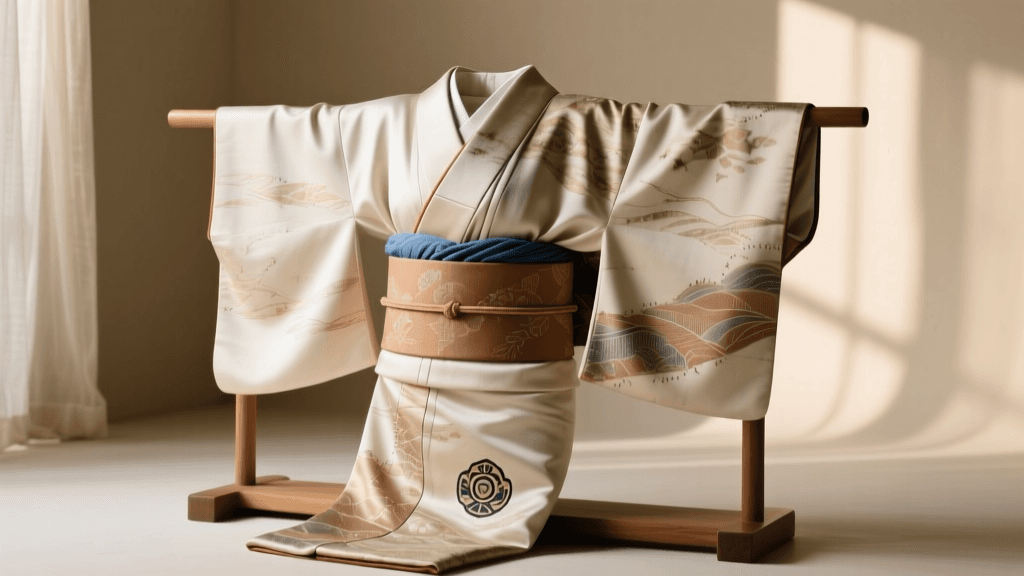
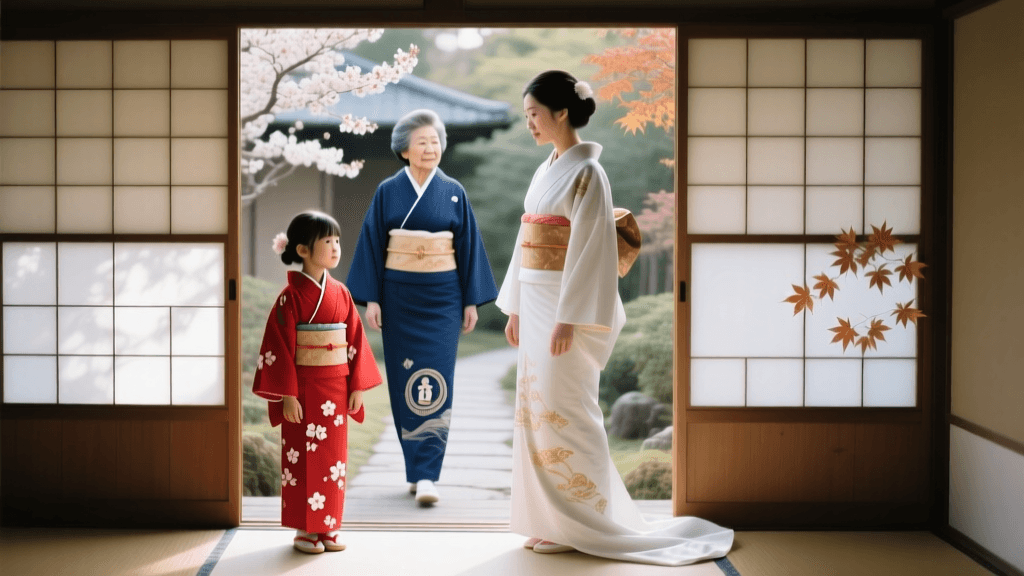
The kimono is far more than a simple garment; it is a profound visual diary that chronicles the major transitions of a Japanese person's life. From the vibrant, playful patterns of early childhood to the subdued, elegant weaves of the golden years, traditional Japanese clothing serves as a marker of maturity, social standing, and cultural continuity. As we navigate through 2026, the landscape of kimono wearing has evolved beautifully. A renewed emphasis on sustainable textiles, the booming vintage upcycling market, and advanced digital rental technologies have made these magnificent garments more accessible than ever to both locals and international enthusiasts. Yet, the strict sartorial rules governing age and life milestones remain deeply respected across Japan.
Understanding which kimono to wear, and exactly when to wear it, is essential for anyone looking to honor Japanese traditions authentically. Whether you are participating in a cultural exchange, attending a formal ceremony, or simply studying the rich textile history of Asia, this comprehensive 2026 guide breaks down the specific garments designated for every major life stage.
Shichi-Go-San: The Childhood Milestones (Ages 3, 5, and 7)
Shichi-Go-San, translating to 'Seven-Five-Three', is a traditional rite of passage held annually in November to celebrate the growth and well-being of young children. Historically, these ages were considered critical milestones where children were particularly vulnerable, and the elaborate clothing was meant to ward off evil spirits while praying for longevity at local shrines.
For three-year-old girls, the standard attire involves a standard kimono worn with a hifu, a soft, padded silk vest. The hifu is designed to hide the obi (sash) knot, which can be uncomfortable for toddlers, and provides a sweet, rounded silhouette. In 2026, modern parents are increasingly opting for lightweight, breathable synthetic silk blends for the hifu to ensure comfort during long shrine visits, though traditional Yuzen-dyed silk remains the premium choice.
Five-year-old boys celebrate by wearing their first hakama (pleated trousers) over a kimono, often paired with a haori (half-coat) bearing the family crest. The styling is meant to mimic adult samurai formal wear, symbolizing the boy's first step into societal responsibilities. Seven-year-old girls transition from the toddler hifu to a more mature kimono style. They wear a standard obi tied in a decorative knot, secured with a shigoki (a decorative silk cord) around the waist to adjust the length and add a pop of contrasting color.
| Age & Gender | Primary Garment | Key Accessories | 2026 Styling Trend |
|---|---|---|---|
| 3-Year-Old Girl | Kimono with Hifu (vest) | Zori sandals, soft tabi socks | Lightweight breathable silks, pastel floral motifs |
| 5-Year-Old Boy | Kimono with Hakama & Haori | Fan (sensu), crested haori himo cords | Bold geometric crests, deep indigo and emerald tones |
| 7-Year-Old Girl | Standard Kimono (Obi visible) | Shigoki cord, decorative obi-jime | Vintage-inspired Taisho-era patterns, vibrant crimson accents |
Jusan Mairi: The Threshold of Adolescence (Age 13)
While slightly less globally recognized than Shichi-Go-San, Jusan Mairi is a vital milestone, particularly in the Kansai region and Kyoto. Celebrated around the time a child turns thirteen, it marks the transition from childhood to adolescence. During this ceremony, teenagers visit temples to receive wisdom and blessings for their coming adult lives.
For thirteen-year-old girls, this is often the first time they wear a more adult-style kimono, typically a furisode with slightly shorter sleeves than those worn by adults, or a high-quality komon (fine pattern) kimono. A unique tradition of Jusan Mairi involves the teenager wearing a specially chosen character or kanji on their garment or obi that represents their personal aspirations. According to cultural preservation resources highlighted by the Kyoto City Official Travel Guide, the temples of Kyoto continue to host thousands of these adolescent visits every spring, maintaining a vibrant market for teenage-specific kimono rentals and bespoke tailoring.
Seijin-shiki: Coming of Age at Twenty
Seijin-shiki, or Coming of Age Day, is held on the second Monday of January to welcome those who have reached the age of maturity (which was officially lowered to 18 in recent years, though the kimono-wearing tradition remains staunchly tied to the age of 20). This is arguably the most visually spectacular kimono event in Japan.
Young women celebrate by wearing the furisode, characterized by its dramatically long, swinging sleeves. The length of the sleeve denotes the wearer's unmarried status and youth. An o-furisode (sleeves over 114cm) is the most formal, while a chu-furisode (sleeves around 100cm) is more practical for navigating crowded civic halls. In 2026, furisode fashion has seen a massive resurgence in 'retro-modern' aesthetics. Bold, high-contrast color blocking, digital-print accents on traditional Nishijin-ori weaves, and unconventional obi knots shaped like butterflies or ribbons are dominating the fashion landscape.
The financial investment for Seijin-shiki is significant. Purchasing a brand-new, hand-painted furisode set in 2026 can easily exceed ¥800,000. Consequently, the rental market has exploded, with premium all-inclusive packages (including professional dressing, hair styling, and photography) ranging from ¥50,000 to ¥150,000. Young men typically wear a formal black montsuki (crested kimono) with a striped silk hakama and a black haori, though modern 2026 trends show an increasing number of young men opting for Western business suits or subtly patterned dark hakama sets to stand out from the crowd.
Weddings: The Pinnacle of Formal Attire
A traditional Shinto wedding in Japan requires the most formal and elaborate garments in the kimono hierarchy. For the bride, the ceremony begins with the Shiromuku, an entirely pure white ensemble symbolizing the bride's willingness to be 'dyed' in the colors of her new family. The shiromuku is heavily padded, intricately woven with auspicious motifs like cranes and pine trees, and paired with a wataboshi (white silk hood) or tsunokakushi (horn-hiding hood).
Following the ceremony, the bride changes into the Iro-uchikake, a brilliantly colored, heavily brocaded outer robe worn over a base kimono. Unlike standard kimono, the uchikake is designed to trail on the floor, requiring the bride to walk with a slow, deliberate grace. In 2026, deep jewel tones like sapphire blue, emerald green, and rich burgundy are highly sought after for the iro-uchikake, offering a striking contrast to the traditional red and gold. The Japan National Tourism Organization frequently highlights these breathtaking bridal transformations as a core component of Japan's intangible cultural heritage, drawing immense interest from global textile enthusiasts.
The groom's attire is equally formal but distinctly restrained. He wears a five-crested black silk kimono (kurotomesode equivalent for men) with a formal white-and-silver striped hakama. The family crests (kamon) are dyed in white on the chest, back, and sleeves, signifying the highest level of formality.
Kanreki and the Golden Years: Elegance in Maturity
As Japanese individuals enter their later years, the aesthetic of their kimono shifts from vibrant displays of youth to quiet, refined elegance. The 60th birthday, known as Kanreki, is a major milestone celebrating the completion of a full zodiac cycle and the rebirth of life. The traditional gift and garment for this occasion is a red chanchanko (a padded, sleeveless vest) worn over a kimono. The red color is historically believed to ward off evil spirits and symbolizes the return to the innocence of infancy.
Beyond the 60th birthday, older women gravitate toward Edo Komon (kimono with ultra-fine, micro-geometric patterns that appear solid from a distance) and Tsumugi (slubbed, rustic silk). These fabrics project a sense of shibui—a Japanese aesthetic concept of subtle, unobtrusive beauty and profound depth. The obi knots become simpler and flatter, such as the otaiko knot, prioritizing comfort and dignified posture over the elaborate, bulky knots of youth.
Sourcing, Rentals, and 2026 Market Trends
The year 2026 has brought remarkable innovations to the traditional garment industry. The rise of AI-driven virtual fitting rooms allows customers to accurately visualize how specific furisode patterns and obi colors will look on their exact body type before committing to a rental or purchase. Furthermore, sustainability has become a major driving force. The The Japan Foundation has been instrumental in promoting the upcycling of vintage kimono, encouraging younger generations to dismantle antique silk garments and re-tailor them into modern milestone wear, thereby reducing the environmental impact of new silk production.
Whether you are dressing a toddler for their first shrine visit in November, selecting a breathtaking furisode for a January Coming of Age ceremony, or choosing a dignified Edo Komon for a 60th birthday celebration, the kimono remains a living, breathing testament to the passage of time. By respecting the age-specific guidelines and embracing the modern innovations of 2026, wearers can ensure that these magnificent traditions continue to thrive for generations to come.