2026 Kimono Secondhand Auctions & Value Appraisal Guide
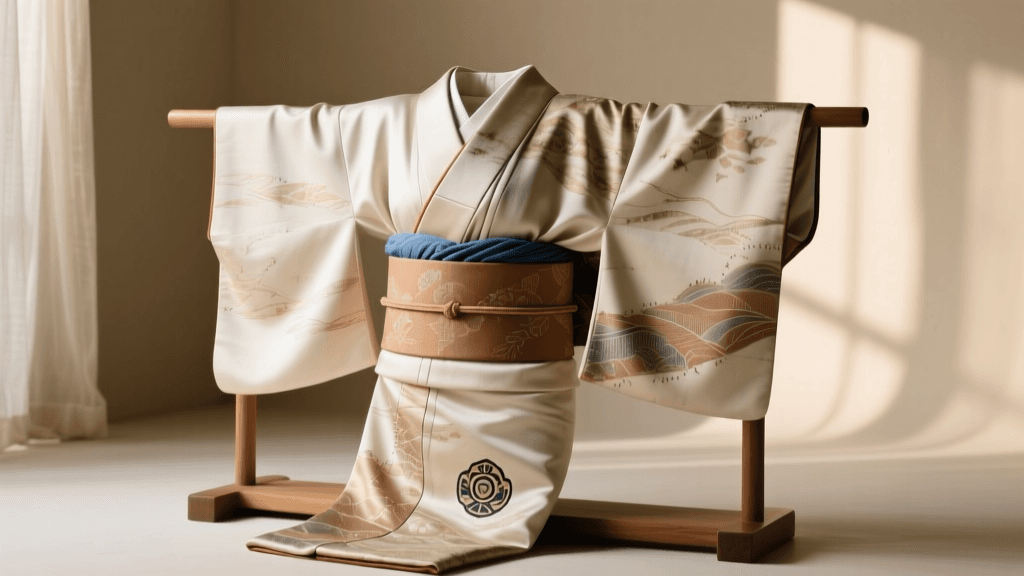
The 2026 Landscape of Kimono Secondhand Auctions
As we move through 2026, the global appetite for sustainable, heritage fashion has pushed the Japanese kimono secondhand market to unprecedented heights. Collectors, fashion designers, and cultural enthusiasts are increasingly turning to online auctions and specialized resale platforms to acquire authentic vintage garments. However, navigating this market requires a nuanced understanding of textile appraisal, historical context, and the mechanics of Japanese proxy bidding. According to the Victoria and Albert Museum's comprehensive guide to Kimono, the garment is not merely a piece of clothing but a complex canvas of Japanese artistry, meaning its value is dictated by a strict matrix of material, technique, and condition.
Whether you are hunting for a pristine Meiji-era uchikake (wedding over-robe) or a mid-century Showa-era komon (everyday patterned kimono) for upcycling, understanding how to appraise value is your most critical tool. This guide will equip you with the actionable knowledge needed to evaluate, bid on, and secure authentic kimono textiles in today's competitive digital auction houses.
Core Factors in Kimono Value Appraisal
Appraising a kimono is fundamentally different from evaluating Western vintage clothing. The value is rarely tied to a specific 'designer label' in the modern sense; instead, it is rooted in textile quality, dyeing techniques, and formality. When reviewing auction listings in 2026, prioritize the following appraisal pillars:
1. Fabric and Material Integrity
Pure silk (shoken) remains the gold standard. Within the silk category, the weave dramatically impacts the price. Rinzu (silk satin damask) and chirimen (silk crepe) are highly prized for their drape and texture. Synthetic blends or jinken (early rayon) from the mid-20th century hold significantly less monetary value, though they are popular for upcycling into kinchaku (drawstring bags) or western apparel. Always check the listing for the kanji 正絹 (shoken), which guarantees 100% silk.
2. Dyeing and Embellishment Techniques
Hand-painted and resist-dyed garments command premium auction prices. Look for yuzen (rice-paste resist dyeing) and shibori (intricate tie-dye). Garments featuring surihaku (gold or silver leaf application) or extensive shishu (hand embroidery) are categorized as luxury items. The Metropolitan Museum of Art's Heilbrunn Timeline of Art History notes that the technical mastery required for traditional yuzen dyeing elevates these pieces from mere garments to wearable fine art, a fact heavily reflected in 2026 auction hammer prices.
3. The Hierarchy of Crests (Kamon)
Family crests dictate the formality of a kimono, which directly correlates to its baseline market value. A kurotomesode (black kimono with five crests) is the most formal women's garment and holds high value if the crests are hand-dyed rather than stamped. Conversely, a komon with no crests is informal and generally sits at the lower end of the auction price spectrum unless it features exceptional artisan work.
Decoding Japanese Auction Terminology
Most high-value inventory resides on domestic Japanese platforms like Yahoo! Auctions Japan and Rakuma. Because machine translation often fails to capture the nuances of textile condition, you must learn to read the seller's condition reports. Here is the essential 2026 glossary for kimono appraisal:
- Shimi (シミ): Stains or spots. Small, localized shimi on the lower hem may be hidden when worn, but stains on the upper chest or sleeves severely depress the value.
- Yake (ヤケ): Sun fading or discoloration, often seen on the shoulders or folds. This is usually permanent and drastically lowers appraisal value.
- Kabi (カビ): Mold or mildew. While some mold can be professionally cleaned, it poses a risk to your existing collection and should be avoided by novice buyers.
- Kake / Hozai (カケ / 補彩): Missing threads, tears, or areas where the dye has been clumsily retouched.
- Junk (ジャンク): Sold 'as-is' for parts or upcycling. These lots are excellent for acquiring high-quality silk yardage at a fraction of the cost.
Crucial Measurements for the Modern Buyer
Unlike Western clothing, kimonos are cut in straight lines from bolts of fabric (tanmono) and are meant to be adjusted to the wearer. However, you cannot add fabric that isn't there. When appraising a listing, check these two critical measurements:
- Yuki (裄): The sleeve length, measured from the center back of the neck to the wrist. In 2026, the average modern woman requires a yuki of at least 62-65cm. Vintage garments from the early Showa era often feature a yuki under 60cm, limiting their wearability and thus their auction value.
- Mitake (身丈): The total body length from the shoulder seam to the hem. For a traditional ankle-length fit, the mitake should roughly match the wearer's height.
2026 Auction Platform Comparison
To access domestic Japanese auctions, international buyers rely on proxy services. Below is a comparison of the top platforms and proxy routes utilized by serious collectors this year.
| Platform / Proxy | 2026 Estimated Fees | Best Use Case | Buyer Protection |
|---|---|---|---|
| Yahoo! Auctions via Buyee | 300 JPY base + 3% of winning bid | Largest inventory; rare antique silks and formal wear. | High (Buyee offers optional item inspection and insurance) |
| Rakuma via ZenMarket | 500 JPY flat fee per item | Bargain hunting; casual yukata and haori jackets. | Medium (Relies heavily on seller ratings) |
| Mercari Japan via Neokyo | 200 JPY base + 2% service fee | Fast-moving deals; upcycling lots and 'junk' condition silks. | Low (Items sell in seconds; no pre-purchase inspection) |
| Specialized Houses (e.g., Ichiroya) | Retail markup (No bidding) | Curated, museum-quality antiques with English descriptions. | Very High (Professionally authenticated and cleaned) |
Strategic Bidding and Timing
Winning a kimono auction in 2026 requires more than just deep pockets; it requires strategic timing. Japanese auction activity peaks during the evening hours (JST), which corresponds to early morning in Europe and the Americas.
The 'Snipe' Strategy: For highly sought-after items like Taisho-era meisen (ikat silk) kimono, avoid bidding early. Early bids trigger automated outbid alerts, drawing in competing collectors. Instead, place your maximum proxy bid exactly 3 to 5 seconds before the auction closes.
Seasonal Arbitrage: Auction prices for specific garments fluctuate with the Japanese seasons. Heavy, lined winter kimono (awase) are significantly cheaper to acquire in July and August when Japanese sellers are decluttering for the humid summer. Conversely, lightweight, unlined hitoe and summer ro (gauze weave) kimono hit their lowest price points in December. Capitalize on these seasonal lulls to build your collection at a discount.
Authentication and Maker Marks
While most vintage kimono do not have Western-style brand tags, high-end pieces often come with shikki (wooden storage boxes) or paper certificates that detail the artisan, the silk weaver, and the dyeing studio. When a listing includes photos of a shikki with matching calligraphy, the appraisal value increases by 20% to 40%. Additionally, look for small, stamped seals on the inner lining near the left hip. These artisan signatures can be cross-referenced with databases maintained by institutions like the Kyoto National Museum to verify the lineage of Kyoto-based master dyers.
Conclusion
The 2026 kimono secondhand market offers an incredible opportunity to preserve and wear living history, provided you approach it with an analytical eye. By mastering the appraisal of silk weaves, understanding the strict hierarchy of family crests, and leveraging strategic proxy bidding on domestic Japanese platforms, you can curate a collection of exceptional quality and cultural significance. Always prioritize condition reports over heavily filtered photos, and remember that in the world of vintage Japanese textiles, the true value lies in the meticulous craftsmanship of the unseen threads.