Guide to Japanese Wedding Kimono: Shiromuku & Uchikake
The Timeless Elegance of Japanese Bridal Wear
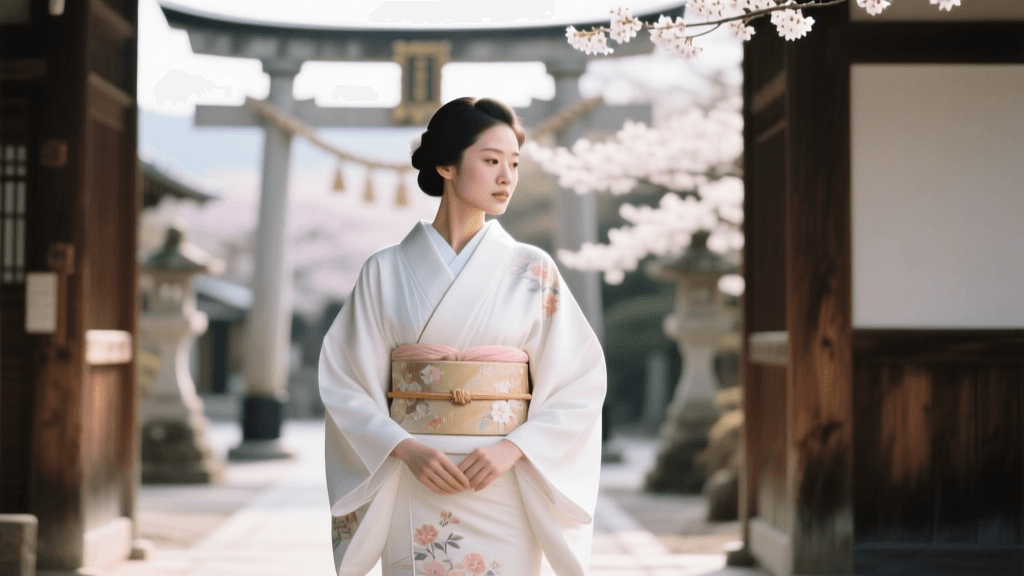
Japanese weddings, particularly the traditional Shinto ceremony known as Shinzen Shiki, are a profound display of cultural heritage, spiritual devotion, and familial unity. At the very heart of this sacred union is the bridal attire. Unlike Western bridal fashion, which largely revolves around a single white gown, a traditional Japanese bride may change outfits multiple times throughout her wedding day, with each garment carrying deep historical significance and meticulous craftsmanship. According to cultural overviews provided by Japan Guide, the transition from the solemn shrine ceremony to the joyous reception is marked by a deliberate shift in textiles, colors, and silhouettes.
For modern brides planning a traditional Japanese wedding, navigating the world of ceremonial kimono can be overwhelming. From understanding the symbolism of pure white silk to managing the physical weight of brocaded robes, this comprehensive guide will walk you through the essential Japanese wedding kimono styles, complete with practical advice on costs, measurements, and styling.
Shiromuku: The Pure White Ceremony Kimono
The shiromuku is the most formal and traditional wedding kimono, worn exclusively during the Shinto shrine ceremony. Translated literally as 'pure white,' this garment consists of a white silk kimono, a white under-kimono (kakeshita), a white sash (obi), and white accessories. Historically, the color white in Japanese culture represents purity, cleanliness, and the sun. In the context of marriage, it symbolizes the bride's purity and her willingness to be 'dyed' in the colors of her new husband's family.
The shiromuku is often crafted from high-grade silk crepe (chirimen) or silk satin (rinzu), featuring subtle, tone-on-tone woven motifs of cranes, pine trees, or plum blossoms. Because the garment is entirely white, the texture and weave of the fabric become the primary focal points. The ensemble is paired with a wataboshi, a large, padded white silk hood that acts as a veil, or a tsunokakushi, a smaller white band that covers the forehead and is said to hide the bride's metaphorical 'horns' of jealousy or ego, signifying her submission and gentleness as a wife.
Iro-Uchikake: Vibrant Colors for the Reception
Following the solemnity of the shrine ceremony, the bride typically changes into an iro-uchikake for the wedding reception (hiroen). The uchikake is a heavily padded, luxurious outer robe worn open over a base kimono. While historical uchikake were often white, modern brides overwhelmingly prefer the iro-uchikake (colored uchikake) in striking hues of crimson, gold, black, or deep purple.
As noted by the Victoria and Albert Museum in their extensive archives on Japanese textiles, the uchikake is a masterpiece of Japanese weaving and dyeing techniques. These garments frequently utilize Nishijin-ori (Kyoto brocade) and feature elaborate gold and silver foil embroidery. The hem is heavily padded with cotton or silk wadding, a design element known as fukura-suso, which allows the robe to trail elegantly on the floor, giving the bride a statuesque and grounded presence. Common motifs include the tsuru (crane) for longevity and marital fidelity, and the shochikubai (pine, bamboo, and plum) for resilience and prosperity.
Hiki-Furisode: A Graceful Alternative
For brides seeking a slightly more modern, less restrictive option, or for those hosting smaller, less formal ceremonies, the hiki-furisode is an exquisite choice. A furisode is a formal kimono characterized by its long, swinging sleeves, which can drop anywhere from 85cm to 114cm. The 'hiki' prefix indicates that the skirt is tailored to trail slightly on the floor, mimicking the grandeur of the uchikake but with a more fitted, streamlined silhouette.
The hiki-furisode is often chosen for the reception or for wedding photo shoots. Because it is a single-layer garment (compared to the multi-layered shiromuku), it is significantly lighter and easier to move in, making it a practical favorite for brides who want to dance or interact more freely with their guests.
Comparison Chart: Japanese Wedding Kimono Types
| Garment Type | Ceremony Stage | Sleeve Length (Standard) | Weight / Feel | Estimated Rental Cost (JPY) |
|---|---|---|---|---|
| Shiromuku | Shinto Ceremony (Shinzen Shiki) | 100cm - 105cm | Heavy, restrictive, multi-layered | ¥200,000 - ¥350,000 |
| Iro-Uchikake | Reception (Hiroen) | 100cm - 105cm | Very heavy (2-3kg), padded hem | ¥250,000 - ¥450,000 |
| Hiki-Furisode | Reception or Photo Shoot | 105cm - 114cm | Moderate, flowing, trailing skirt | ¥150,000 - ¥300,000 |
| Standard Furisode | Pre-wedding events / Photos | 100cm - 114cm | Lighter, standard kimono weight | ¥80,000 - ¥150,000 |
Practical Guide: Costs, Timing, and Measurements
Planning a traditional Japanese wedding requires meticulous attention to detail, particularly when it comes to the bridal attire. According to practical guides on Japanese wedding planning from Tokyo Cheapo, securing your kimono and booking a professional dresser (kitsuke-shi) should be done well in advance.
Timing and Booking
You should begin your kimono search 6 to 9 months before your wedding date. High-end bridal salons in cities like Kyoto, Tokyo, and Kanazawa book up quickly, especially during the auspicious wedding seasons of spring (April-May) and autumn (October-November). Your rental package should ideally include the garment, all necessary undergarments, accessories, hair styling, and the services of a professional dresser on the day of the event.
Measurements and the Fitting Process
Unlike Western dresses that are tailored to hug the body's natural curves, a kimono requires a cylindrical silhouette. During your final fitting (mitsu-date), which usually occurs one month before the wedding, the dresser will take precise measurements:
- Yuki: The measurement from the center of the back of the neck, over the shoulder, down to the wrist. This dictates the sleeve drop.
- Mitake: The total length of the kimono from the shoulder to the ankle.
- Hip and Waist Adjustments: Dressers use specialized kimono towels and padding to fill in the curves of the waist, hips, and bust, ensuring the obi sits perfectly flat and the fabric drapes without bunching.
Cost Breakdown
While purchasing a brand-new, custom-woven shiromuku or iro-uchikake can easily exceed ¥1,500,000 ($10,000+ USD), the vast majority of brides opt to rent. A comprehensive rental package for a shiromuku and an iro-uchikake (allowing for the traditional two-outfit change) typically ranges between ¥350,000 and ¥600,000 ($2,300 - $4,000 USD). This usually covers the garments, the obi, the dressing fee, and basic accessories.
Essential Bridal Accessories
The bridal kimono is incomplete without its highly specific array of accessories. When renting, ensure your package includes the following:
- Hakoseko: A decorative, embroidered pouch worn tucked into the front of the obi. It historically held a mirror and makeup, but today it serves as an elegant focal point, often featuring a small mirror on the outside.
- Sensu: A formal folding fan, usually adorned with gold or silver leaf. The bride holds this during the ceremony and formal photographs.
- Shigoki: A soft, decorative silk sash tied in a bow at the left hip over the main obi, adding a splash of contrasting color and a touch of youthful elegance.
- Zori and Tabi: Formal white silk sandals (zori) worn with split-toe white cotton socks (tabi). The zori should match the metallic tones of the obi or the embroidery of the uchikake.
- Kanzashi: Traditional hair ornaments. For a bride, these are often elaborate sets of tortoiseshell, pearls, or silk flowers, carefully placed in the traditional bunkin-takashimada bridal wig or styled natural hair.
Conclusion
Choosing a Japanese wedding kimono is an immersion into centuries of textile artistry and cultural symbolism. Whether you opt for the blinding purity of the shiromuku or the vibrant, trailing majesty of the iro-uchikake, understanding the history, measurements, and practical logistics of these garments will ensure you look and feel breathtaking on your special day. By planning ahead and respecting the intricate art of kitsuke, brides can honor Japanese traditions while creating unforgettable wedding memories.