Top 2026 Japanese Sashiko & Boro Luxury Sneaker Collabs
The Renaissance of Japanese Heritage Textiles in Global Streetwear
In 2026, the intersection of traditional Japanese craftsmanship and international luxury streetwear has evolved from fleeting aesthetic trends into enduring, equitable design pillars. Global fashion houses and heritage sneaker brands are no longer merely borrowing Japanese visual motifs; they are engaging in deep, structural collaborations with multi-generational ateliers in regions like Okayama, Aomori, and Kyoto. This shift represents a maturation in the international fashion market, where consumers demand authenticity, sustainability, and verifiable artisanal heritage. For collectors and enthusiasts, understanding how traditional techniques like Sashiko and Boro are being integrated into high-end international footwear and apparel collaborations in 2026 is essential for navigating a market where limited-edition pieces routinely command premium valuations.
The Evolution of Heritage Collaborations in 2026
The 2026 landscape of international design collaborations is defined by a mutual exchange of technical expertise. Brands like New Balance's Tokyo Design Studio (TDS), Asics, and luxury conglomerates such as LVMH have shifted their strategies away from mass-produced, digitally printed textiles. Instead, they are utilizing authentic Nishijin-ori (Kyoto silk weaving) and hand-stitched Sashiko, integrating these fabrics into modern, technically advanced footwear silhouettes. This year, we are seeing a surge in 'hybrid-heritage' releases, where 3D-printed, carbon-fiber midsoles are paired with uppers crafted from century-old indigo-dyeing methods. The price points for these 2026 limited-edition heritage sneakers now retail between $450 and $1,200, reflecting the true cost of artisanal labor, natural indigo sourcing, and sustainable manufacturing practices.
The Economics of Artisanal Collaborations
One of the most significant developments in 2026 is the transparent economic model behind these collaborations. International brands are now publicly subsidizing the ateliers they work with, ensuring that the master weavers and dyers receive direct compensation that sustains their craft for future generations. The cost of natural indigo (sukumo) has risen by 18% over the last two years due to climate impacts on Japanese agriculture, making authentic Boro and Sashiko garments more expensive to produce. By locking in long-term contracts with regional cooperatives, global brands are stabilizing the income of rural artisans while securing exclusive access to the world's most prestigious heritage textiles.
Decoding the Textiles: Sashiko, Boro, and Nishijin-Ori
To appreciate the 2026 collaboration market, one must understand the distinct characteristics of the textiles being utilized. According to the Metropolitan Museum of Art, these textiles were historically born from necessity and regional resource constraints, evolving over centuries into highly codified art forms. Below is a comparative guide to the three dominant techniques seen in this year's international releases.
| Technique | Origin / Region | Visual Characteristics | 2026 Application in Footwear & Apparel |
|---|---|---|---|
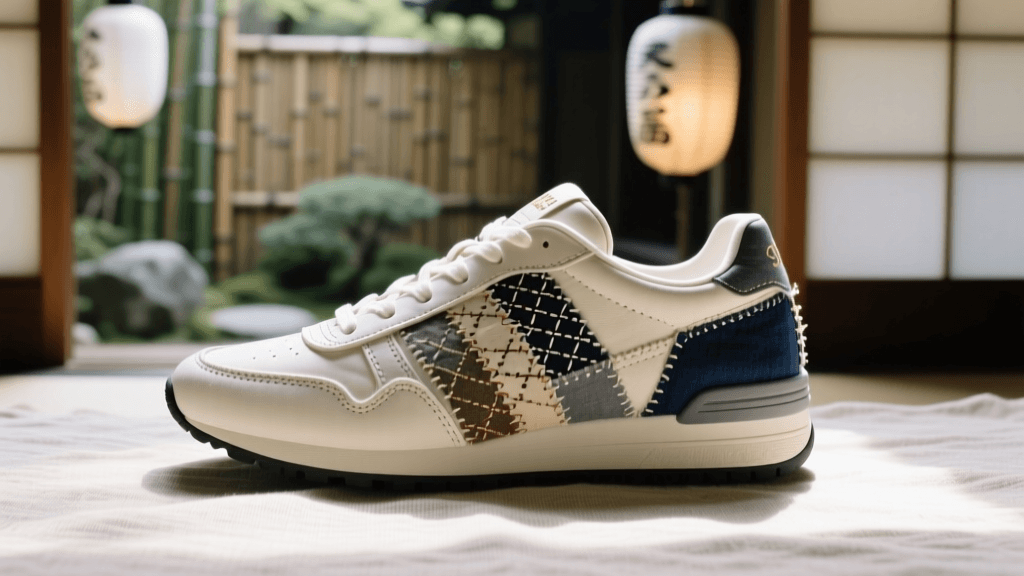
| Sashiko | Aomori / Tohoku | Geometric, functional running stitches; high-contrast white thread on indigo. | Used for premium sneaker uppers, quilted jacket linings, and reinforced denim knees. |
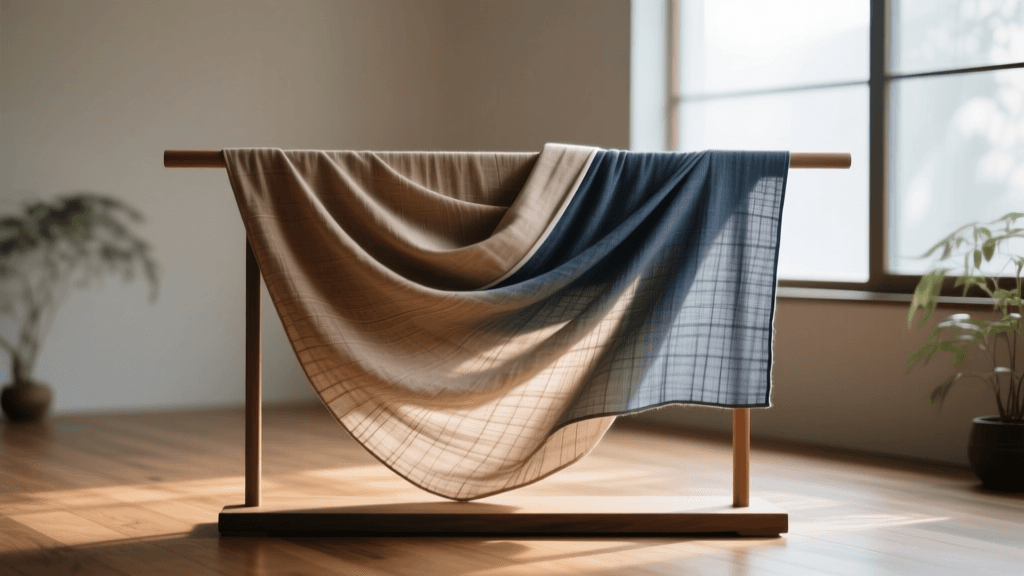
| Boro | Rural Japan (National) | Patchwork, frayed edges, layered indigo fabrics repaired over generations. | Featured in limited-run skate shoes, luxury outerwear panels, and artisanal tote bags. |
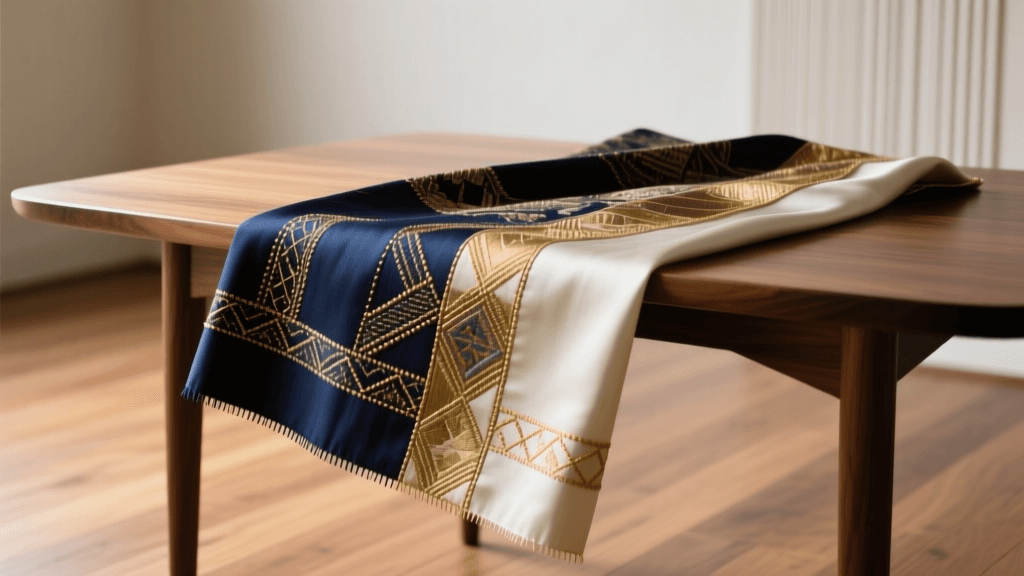
| Nishijin-Ori | Kyoto | Intricate, multi-colored silk brocade with metallic thread accents. | Reserved for ultra-luxury loafer uppers, high-fashion evening wear, and exclusive accessories. |
Standout 2026 International Design Partnerships
Kapital x Global Heritage Outdoor Brands
Kapital continues to lead the charge in 2026 with its 'Century Denim' and Boro-integrated footwear. This year, their partnerships with international outdoor brands have resulted in weather-resistant, indigo-dyed trail shoes that feature GORE-TEX membranes hidden beneath hand-stitched Boro exteriors. These collaborations bridge the gap between extreme outdoor functionality and high-end streetwear aesthetics, retailing at approximately $650.
Visvim x Western Silhouettes
Hiroki Nakamura’s Visvim remains the gold standard for integrating natural dyes and traditional weaving into Western footwear silhouettes. The 2026 lineup features mud-dyed canvas and hand-stitched Sashiko detailing on classic high-top vulcanized soles and folk-inspired leather boots. Visvim's dedication to using naturally fermented indigo ensures that each pair of sneakers develops a unique patina based on the wearer's lifestyle.
New Balance Tokyo Design Studio (TDS)
TDS's 2026 'Niobium' and 'Concept Runner' lines are a masterclass in futuristic heritage. These releases feature interchangeable Boro-textile shrouds that snap onto highly technical, 3D-printed midsoles. By merging centuries-old patchwork techniques with cutting-edge biomechanical engineering, TDS has created a modular shoe that appeals to both sneakerheads and traditional textile collectors. The preservation of these techniques is heavily supported by regional initiatives, as highlighted by the Japan National Tourism Organization, which maps out the specific prefectures where authentic master weavers and dyers still operate and collaborate with modern designers.
Sourcing and Authenticating 2026 Releases
Acquiring these highly coveted collaborations requires strategy and vigilance. Primary retail channels include Dover Street Market, Isetan Men's, and brand-direct digital lotteries, which typically sell out within minutes of launch. For those turning to the aftermarket, platforms like Grailed and StockX are the primary hubs, but authentication is critical. When verifying a Sashiko or Boro piece, examine the stitching closely. True, hand-stitched Sashiko will feature slight, microscopic irregularities in the stitch length and tension—a hallmark of human craftsmanship. Machine-made counterfeits will exhibit perfectly uniform, laser-straight stitching. Furthermore, authentic Boro will feature multiple layers of vintage, naturally dyed indigo that show varying degrees of fading and wear, whereas fakes often use chemically distressed, single-layer fabrics with artificially applied fraying. Budget accordingly: set aside $500 to $800 for footwear, and expect to pay $1,200 to $3,500 for authentic, collaborative outerwear.
Care and Maintenance for Artisanal Textiles
Owning heritage textiles requires a paradigm shift in how you approach garment and footwear care. Indigo bleeding, known as 'crocking,' is a natural feature of authentic sukumo-dyed fabrics, not a manufacturing defect. To clean Sashiko and Boro sneakers, avoid harsh chemical detergents and standard sneaker cleaning foams, which can strip the natural oils from the cotton and alter the indigo's pH. Instead, use a soft horsehair brush to remove dry dirt. For spot cleaning, use cold water and a specialized, pH-neutral cleaner formulated specifically for natural dyes. When storing Boro garments or footwear, keep them away from direct UV light to prevent uneven, accelerated fading of the indigo. Always use untreated cedar shoe trees for sneakers and boots; cedar maintains the shoe's structural integrity and absorbs moisture without introducing synthetic odors or chemicals that could degrade the delicate heritage threads.
Styling Heritage Footwear in a Modern Wardrobe
The key to styling heavily textured, artisanal footwear in 2026 is contrast. Because Sashiko and Boro sneakers possess immense visual weight and intricate detailing, they should serve as the undisputed focal point of your outfit. Pair heavy Boro trail shoes or Sashiko high-tops with minimalist, tailored modern streetwear. Wide-leg pleated trousers in muted tones (such as charcoal, olive, or stone), unstructured linen blazers, and simple, high-quality heavyweight cotton tees provide the perfect neutral canvas. Avoid wearing heavily distressed or patterned clothing alongside heritage footwear, as competing textures will dilute the impact of the artisanal craftsmanship. By allowing the footwear to stand alone, you honor the centuries of tradition and the international design collaboration that brought the piece to life.