Kimono Fabric Sound & Texture Sensory Guide for 2026
The Resurgence of Sensory Fashion in 2026
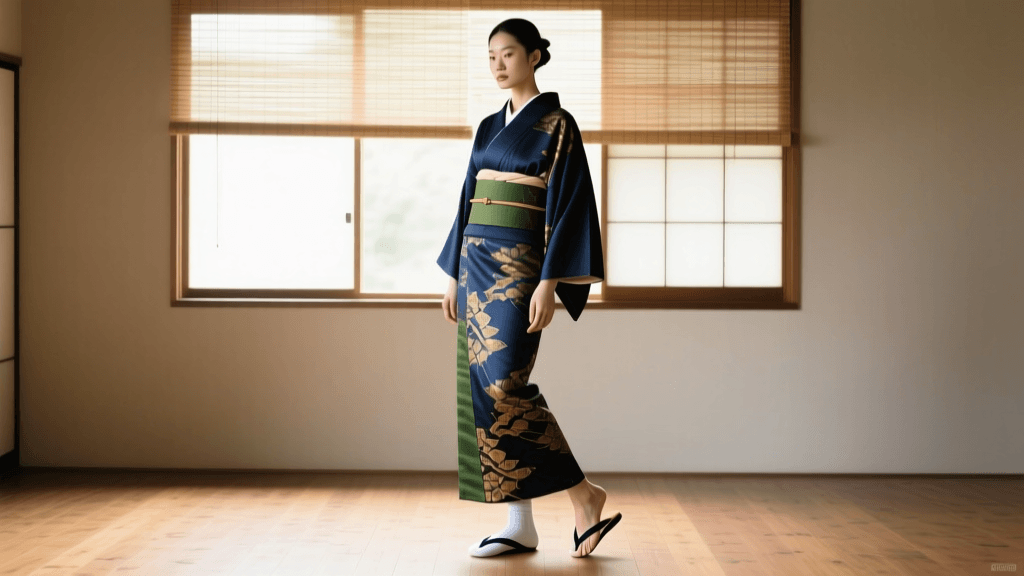
In an era increasingly dominated by digital interfaces and synthetic fast fashion, the year 2026 has seen a profound cultural pivot toward "sensory grounding" in apparel. Nowhere is this more evident than in the enduring art of the Japanese kimono. Beyond its breathtaking visual aesthetics, the kimono offers a multi-sensory experience that engages the wearer's auditory and tactile senses in a deeply mindful way. For enthusiasts and newcomers alike, understanding the acoustic and textural profiles of traditional Japanese garments transforms the act of dressing from a mere routine into a meditative practice.
The concept of sensory fashion is not a modern invention; it is deeply embedded in Japanese sartorial history. The friction of silk layers, the crisp drape of summer hemp, and the heavy, comforting weight of winter brocades all serve to anchor the wearer in the present moment. As we explore the intersection of traditional craftsmanship and modern mindfulness, we must look closely at the specific sounds and textures that define the kimono experience.
The Auditory Landscape: Understanding Kinu-Nari
The Japanese language possesses specific vocabulary to describe the sounds of clothing in motion. The most celebrated of these is kinu-nari (絹鳴り), which translates literally to "the crying of silk" or "silk rustle." This acoustic phenomenon occurs when tightly woven silk fibers rub against one another, creating a distinctive, high-pitched whispering sound. According to The Metropolitan Museum of Art's Heilbrunn Timeline of Art History, the meticulous weaving techniques developed over centuries in Japan were designed not just for visual luster, but to create structural integrity that produces this very acoustic signature.
The Sound Profiles of Traditional Weaves
Not all kimono fabrics sound the same. The auditory feedback changes dramatically depending on the weave, the fiber, and the season:
- Habutae (Smooth Silk): This plain-weave silk produces the sharpest, most recognizable kinu-nari. When walking, a habutae kimono emits a crisp, swishing whisper that signals elegance and refined movement.
- Chirimen (Silk Crepe): Because chirimen is woven with highly twisted threads that create a pebbled surface, the friction between layers is more diffuse. The sound is a softer, muted rustle, akin to dry leaves shifting in a gentle breeze.
- Asa (Hemp/Linen): Summer hemp garments, such as the prized Ojiya-chijimi, produce a louder, papery crinkle. The stiff, dry fibers create a rhythmic crunching sound that is deeply associated with the cooling breezes of the Japanese summer.
- Momen (Cotton): Cotton kimono, often used for casual wear or yukata, are virtually silent. They offer a muffled, soft acoustic profile that feels intimate and unassuming.
Tactile Textures and the Mind-Body Connection
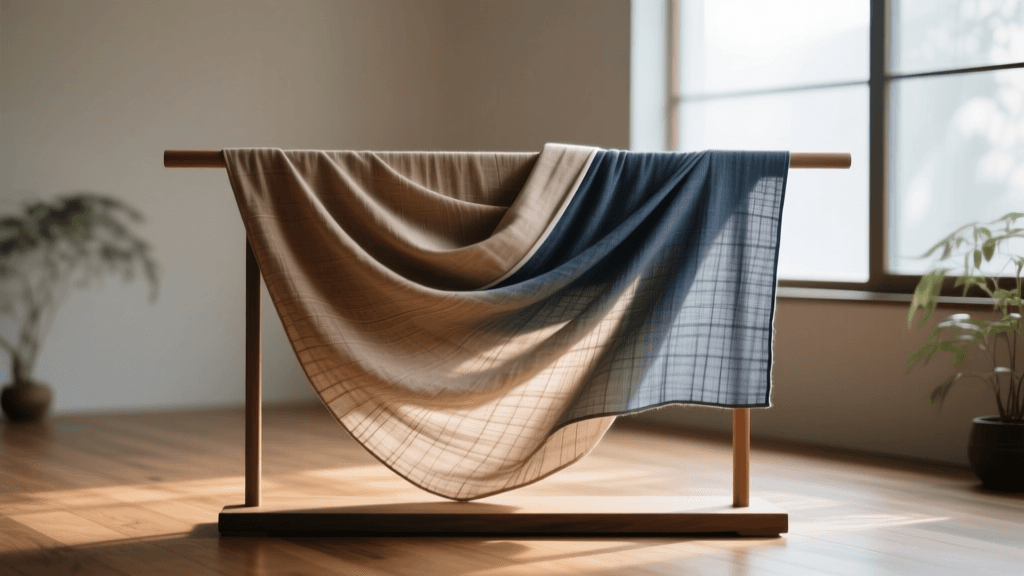
The tactile experience of the kimono is equally complex. Unlike Western tailoring, which cuts fabric to conform to the body's three-dimensional curves, the kimono is constructed from flat, rectangular bolts of fabric (tanmono). This means the fabric must drape, fold, and tie around the body, creating a continuous tactile dialogue between the garment and the skin.
The concept of shibo (渋) is crucial here. In textiles like chirimen, shibo refers to the textured, crinkled surface of the crepe silk. When worn against the skin—usually via the under-kimono or nagajuban—this micro-texture prevents the fabric from clinging, allowing air to circulate while providing a gentle, massaging friction. In 2026, sensory therapists and occupational wellness experts have begun highlighting the "deep pressure" and "textural grounding" benefits of traditional garment layering, noting that the physical boundaries established by the obi (sash) and the weight of the silk can have a calming effect on the nervous system, similar to a weighted blanket.
Fabric Sound and Texture Profile Chart
To help you curate your own sensory experience, refer to the 2026 guide below detailing the acoustic and tactile properties of primary kimono fabrics:
| Fabric Type | Japanese Term | Acoustic Profile | Tactile Sensation | Best Season |
|---|---|---|---|---|
| Silk Crepe | Chirimen | Soft, muted whisper | Textured, bouncy, warm | Spring / Autumn |
| Smooth Silk | Habutae | Crisp, high-pitch rustle | Glass-like, cool, fluid | Summer (Unlined) |
| Hemp / Ramie | Asa | Loud, papery crinkle | Crisp, dry, breathable | High Summer |
| Cotton | Momen | Muffled, silent drape | Matte, soft, grounding | Autumn / Winter |
| Brocade | Nishiki | Heavy, stiff rustle | Dense, embossed, rigid | Winter / Formal |
The Mechanics of Layering: The Nagajuban Effect
The true magic of kimono acoustics is not found in a single layer, but in the friction between them. The nagajuban (under-kimono) acts as the primary acoustic generator. In traditional dressing, a silk nagajuban is worn beneath the main kimono. As the wearer walks, the nagajuban rubs against the inner lining (hakkake) of the outer kimono. This dual-layer friction is what creates the resonant kinu-nari that echoes softly down wooden corridors.
For those seeking the ultimate sensory experience in 2026, pairing a stiff, woven silk obi with a soft chirimen kimono creates a contrasting tactile landscape. The rigid, heavily embroidered brocade of a formal fukuro obi provides a structured, supportive pressure around the core, while the soft silk flows freely over the limbs. This contrast is a hallmark of Japanese aesthetic philosophy, balancing the hard with the soft, the structured with the fluid.
Modern Innovations: 2026 Washable Silks and Bio-Textiles
Historically, the sensory experience of pure silk came with the burden of high maintenance and strict dry-cleaning requirements. However, the textile innovations of 2026 have revolutionized accessibility without sacrificing sensory integrity. Leading Japanese textile houses have introduced advanced arai-ginu (washable silk) treatments that use bio-based enzyme coatings to protect the protein fibers from water damage.
Remarkably, these 2026 washable silks retain the structural stiffness required to produce kinu-nari. Furthermore, new bio-synthetic blends derived from spider-silk proteins and lotus fibers are being woven in traditional Kyoto workshops. These modern textiles mimic the exact micro-friction and acoustic rustle of Edo-period habutae, allowing wearers to experience historical sensory feedback with modern, sustainable convenience. As noted by Japan's Agency for Cultural Affairs, the preservation of intangible cultural heritage increasingly relies on adapting traditional techniques to contemporary, sustainable materials, ensuring the survival of both the craft and its sensory legacy.
How to Curate Your Own Sensory Kimono Experience
Whether you are a seasoned collector or a beginner looking to experience the mindfulness of traditional Japanese garments, here is how you can actively engage with kimono textures and sounds today:
- Seek Out Sensory-Focused Rental Salons: In 2026, several boutique rental salons in Kyoto's Higashiyama and Tokyo's Yanaka districts now offer "acoustic fittings." These specialists curate outfits based on the sound profile you prefer, allowing you to test the rustle of different silk weaves in quiet, tatami-matted rooms.
- Invest in a Silk Nagajuban: If you already own a kimono but find it visually beautiful yet sensorily flat, upgrade your undergarments. Swapping a synthetic or cotton nagajuban for a 100% silk habutae nagajuban will instantly introduce the iconic kinu-nari rustle to your stride.
- Explore Summer Hemp (Asa): For a highly tactile, cooling experience, seek out vintage or modern Ojiya-chijimi hemp kimono. The shibo (crepe) texture of this fabric is incredibly refreshing against the skin in humid weather, and its papery sound is a quintessential summer auditory cue.
- Practice Mindful Movement: The kimono restricts stride length and encourages a gliding, heel-to-toe walking style known as namba-aruki or traditional gliding. This slower pace not only protects the garment but allows the wearer to fully process the tactile weight and auditory rhythm of the fabric.
Conclusion
The kimono is far more than a visual masterpiece; it is an instrument of personal sensory experience. From the whispering kinu-nari of tightly woven silk to the crisp, grounding crunch of summer hemp, traditional Japanese garments offer a profound connection to the physical world. As we continue to navigate the hyper-digital landscape of 2026, wrapping oneself in the acoustic and tactile embrace of a kimono provides a rare, deeply human moment of mindfulness. By understanding and seeking out these specific textures and sounds, we honor the incredible depth of Asian textile traditions, preserving not just the look of the garment, but the very feel and sound of history in motion.
"To wear a kimono is to listen to the fabric. The rustle of silk is the voice of the weaver, speaking across centuries to the wearer of today." — Traditional Kyoto Textile Proverb.
For further exploration into the historical context of these weaving techniques, the Victoria and Albert Museum's Asian Collections provides extensive archives on the evolution of Japanese textile structures and their global impact on sensory fashion.