Best Sardinian Heritage Garments & Weaving Brands 2026
The Enduring Legacy of Sardinian Folk Dress
Sardinia, an island steeped in ancient traditions and rugged isolation, boasts one of the most diverse and meticulously preserved folk dress traditions in Europe. Known locally as the costume sardo, Sardinian traditional garments are not merely historical artifacts; they are living expressions of identity, social status, and regional pride. As we navigate the fashion and textile landscape in 2026, there has been a remarkable renaissance in the appreciation of these garments. Driven by a global shift toward sustainable, slow fashion and a deep respect for indigenous craftsmanship, heritage weaving brands and artisan ateliers across the island are experiencing unprecedented demand.
According to the Regione Sardegna's official cultural portal, the preservation of traditional textile arts is considered a cornerstone of the island's intangible heritage. Today, contemporary Sardinian designers and heritage weavers are bridging the gap between ancestral techniques and modern wardrobes, ensuring that the costume sardo remains a vibrant, evolving tradition rather than a static museum exhibit.
Anatomy of the Traditional Sardinian Costume
The traditional dress of Sardinia varies dramatically from village to village, with over 400 distinct local variations documented across the island. However, certain foundational elements and textiles unite these regional styles.
Women's Attire: Layers of Intricacy
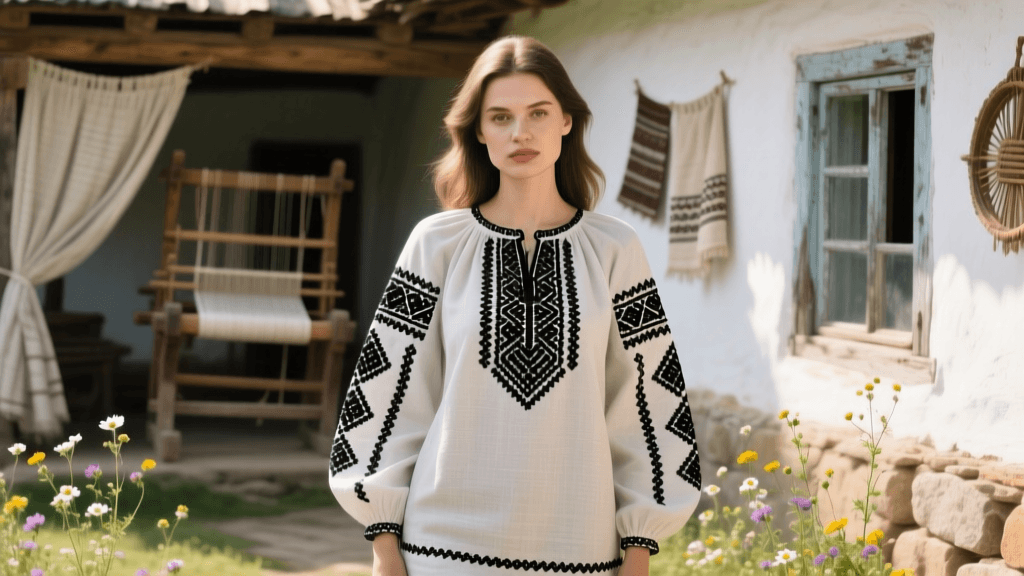
The traditional women's ensemble is a masterclass in layering, color, and textile manipulation. The foundation typically includes a white linen or cotton chemise, heavily embroidered at the cuffs and neckline. Over this, women wear the carzola (a pleated skirt, often dyed deep red or black) and the pannu, a highly decorated apron that serves as a canvas for intricate weaving and embroidery. The bodice, or corittu, is tailored to provide structure and is often laced with silver or gold cords. The ensemble is completed with the muncadori, a finely woven headscarf, and an abundance of filigree jewelry, particularly the iconic buttones (ornate silver buttons) that denote marital status and village origin.
Men's Attire: Function and Form
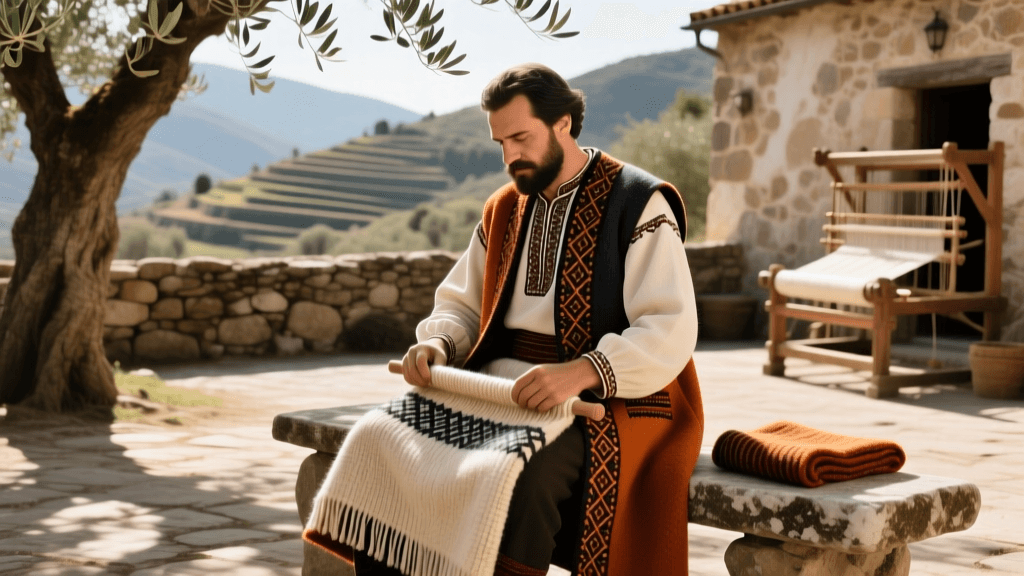
Men's traditional clothing is heavily influenced by the island's pastoral history, prioritizing durability and protection from the elements. The quintessential male garment is the gabbanu, a heavy, hooded cloak made from orbace (a coarse, water-resistant wool). Beneath the cloak, men wear the carzoneddu (a loose linen shirt) and carzones (white linen trousers). A defining feature of the male costume is the ragas, a pleated skirt or kilt worn over the trousers, and the berritta, a long, tubular wool cap that can be draped over the shoulder or wrapped around the head for warmth.
Master Textiles: Orbace and Pibiones
To understand Sardinian heritage brands in 2026, one must understand the textiles that define them. Two techniques stand out in the global artisan market:
- Orbace: This traditional woolen cloth is woven from the fleece of native Sardinian sheep. The wool is spun, dyed using natural botanicals (like walnut husks for deep browns and madder root for reds), and woven tightly to create a naturally water-repellent fabric. In 2026, heritage outerwear brands are utilizing orbace to craft luxury, sustainable winter coats that rival high-end alpine gear.
- Pibiones: Meaning 'grapes' in the Sardinian dialect, this is a raised weaving technique where small, textured bumps are created across the surface of the fabric by wrapping the weft yarn around a rod during the weaving process. Originally used for bedspreads and grain sacks, pibiones is now highly sought after for bespoke upholstery, luxury accessories, and modernized bodice panels.
Top Sardinian Heritage Weaving Brands in 2026
The Camera Nazionale della Moda Italiana has increasingly highlighted regional artisan cooperatives in its sustainability reports, noting that Sardinian weaving collectives represent a gold standard for ethical, hyper-local production. Below are the premier heritage brands and ateliers leading the revival in 2026.
| Brand / Atelier | Village / Region | Specialty Textile | 2026 Price Range (EUR) | Best For |
|---|---|---|---|---|
| Mariantonia Urru | Samugheo | Pibiones, Traditional Carpets | €150 - €2,500+ | Authentic home textiles and luxury woven accessories |
| Artigianato Sardagnolo | Nuoro | Complete Costume Reproductions | €800 - €4,000 | Historical accuracy, festival garments, and bespoke tailoring |
| Tessitura di Nule | Nule | Geometric Wool Rugs, Orbace | €200 - €1,800 | Heavyweight heritage outerwear and interior decor |
| Sa Domu de S'Orcu | Orroli | Natural Dyeing, Linen Blends | €90 - €650 | Everyday heritage apparel, natural dyed scarves, and shawls |
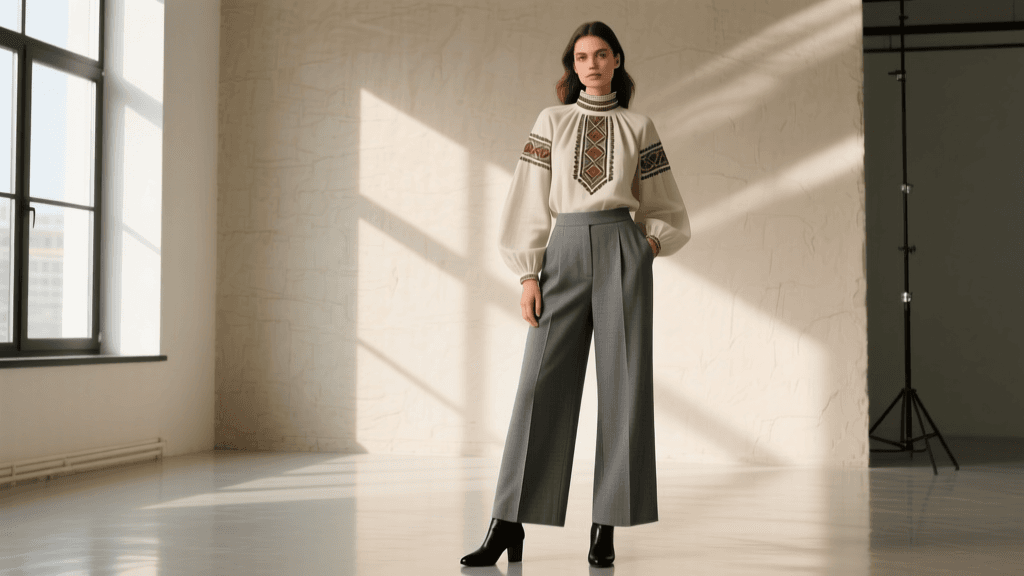
| Tramas | Cagliari | Contemporary Pibiones Apparel | €120 - €900 | Modern fashion integrating traditional Sardinian motifs |
Spotlight: Mariantonia Urru and the Samugheo Tradition
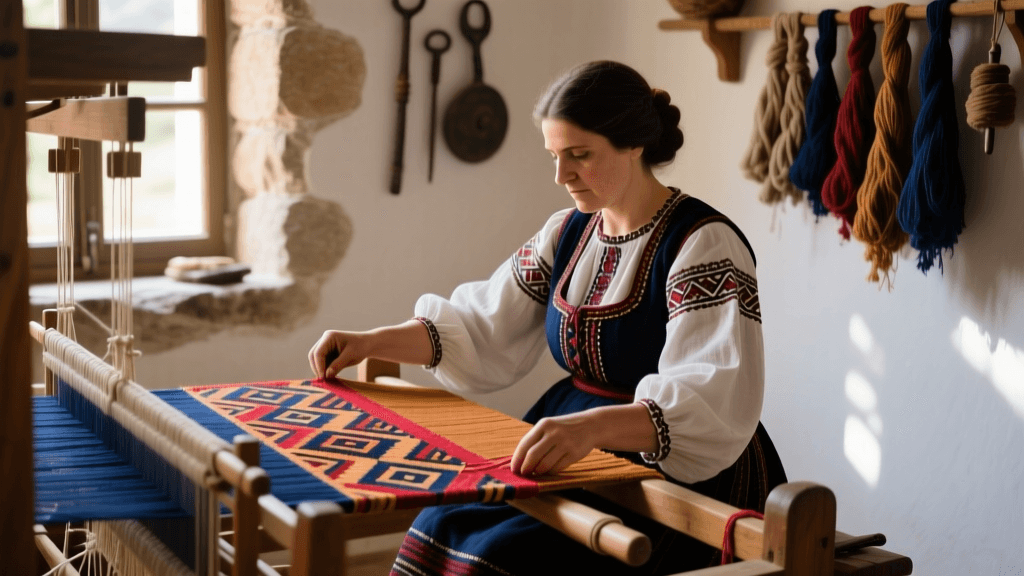
Located in the central highlands, Samugheo is the undisputed capital of Sardinian weaving. The atelier of Mariantonia Urru has been instrumental in elevating the pibiones technique from a domestic chore to a celebrated fine art. In 2026, the brand collaborates with contemporary European fashion houses to supply ethically woven textiles, while maintaining a robust direct-to-consumer line of shawls, bags, and traditional garment components. Their commitment to using locally sourced, undyed sheep wool alongside naturally dyed cotton threads ensures a completely sustainable supply chain.
Spotlight: The Orbace Revival by Tessitura di Nule
Nule is famous for its striking, geometric wool textiles. While historically focused on rugs, the weaving cooperatives in Nule have recently adapted their heavy looms to produce yardage of premium orbace specifically for the apparel market. In 2026, investing in a tailored orbace jacket from a Nule cooperative is considered a hallmark of sustainable luxury, offering unparalleled warmth, breathability, and a distinctly rugged aesthetic that mass-produced wool cannot replicate.
Preserving the Craft: The 2026 Artisan Revival
The survival of these intricate weaving and tailoring techniques relies on the transmission of knowledge. Frameworks established by UNESCO's Intangible Cultural Heritage initiatives have provided vital support to Sardinian artisan guilds, helping to fund apprenticeship programs. In 2026, we are seeing a new generation of young Sardinians returning to the family loom, armed with digital marketing skills and a global perspective. They are documenting the complex mathematics of the pibiones weave on social media, attracting international textile students and tourists eager to participate in immersive weaving retreats.
Furthermore, the integration of traditional filigree jewelry making—particularly in the villages of Dorgali and Oliena—has seen a parallel resurgence. Master goldsmiths are now offering modular buttones that can be attached to modern blazers and coats, allowing buyers to incorporate Sardinian heritage into their daily wardrobes without committing to a full traditional costume.
How to Source Authentic Sardinian Textiles
For collectors, designers, and cultural enthusiasts looking to acquire authentic Sardinian garments and textiles in 2026, due diligence is essential. The market is unfortunately saturated with mass-produced imitations imported from overseas. Follow these guidelines to ensure authenticity:
- Look for the Marchio di Qualità Artigiana: The Sardinian regional government issues a specific quality mark to verified artisan workshops. Ensure the atelier displays this certification.
- Examine the Reverse Side: Authentic hand-woven pibiones will have a slightly irregular, organic texture on the reverse side. Machine-made imitations will look perfectly uniform and flat on the back.
- Verify the Fiber Content: True orbace should feel coarse, dense, and slightly lanolin-rich. It should naturally repel a drop of water. If the fabric feels overly soft or synthetic, it is not genuine pastoral wool.
- Visit the Source: The best way to acquire these garments is to visit the weaving cooperatives in person. Villages like Samugheo, Nule, and Orroli host annual textile festivals (such as the Mostra dell'Artigianato) where weavers demonstrate their craft and sell directly to the public.
Conclusion
The traditional garments of Sardinia represent a profound dialogue between humanity and the natural environment. From the water-resistant orbace cloaks of the highland shepherds to the painstakingly woven pibiones aprons of the valley villages, every thread tells a story of survival, community, and artistry. As the heritage brands of 2026 continue to innovate while honoring their ancestors' techniques, the costume sardo remains not just a relic of the past, but a vital, wearable pillar of European folk dress.