Reviving the Sardinian Scialle: 2026 Heritage Brand Guide
The Resurgence of Sardinian Textile Heritage in 2026
In 2026, the global slow-fashion movement has profoundly shifted consumer attention toward garments that carry deep historical narratives and unparalleled artisanal craftsmanship. Among the most captivating of these traditions is the regional folk dress of Sardinia, Italy. Far from being relegated to museum archives, traditional Sardinian garments—particularly the intricately woven scialle (shawl) and rugged orbace wool outerwear—are experiencing a vibrant renaissance. Today, a new generation of heritage brands and artisan cooperatives is preserving centuries-old looming techniques while adapting them for contemporary wardrobes and high-end collectors.
Whether you are attending the spectacular Cavalcata Sarda in Sassari or the vibrant Festa di Sant'Efisio in Cagliari, the textiles of Sardinia remain a profound expression of island identity. According to Sardegna Turismo's official guide to traditions and folklore, the island's distinct micro-cultures have safeguarded over 400 variations of traditional dress, each distinguished by specific weaving patterns, embroidery, and jewelry. This guide explores the anatomy of these garments, the heritage brands keeping the looms alive in 2026, and how to invest in authentic pieces.
The Anatomy of the Traditional Sardinian Scialle
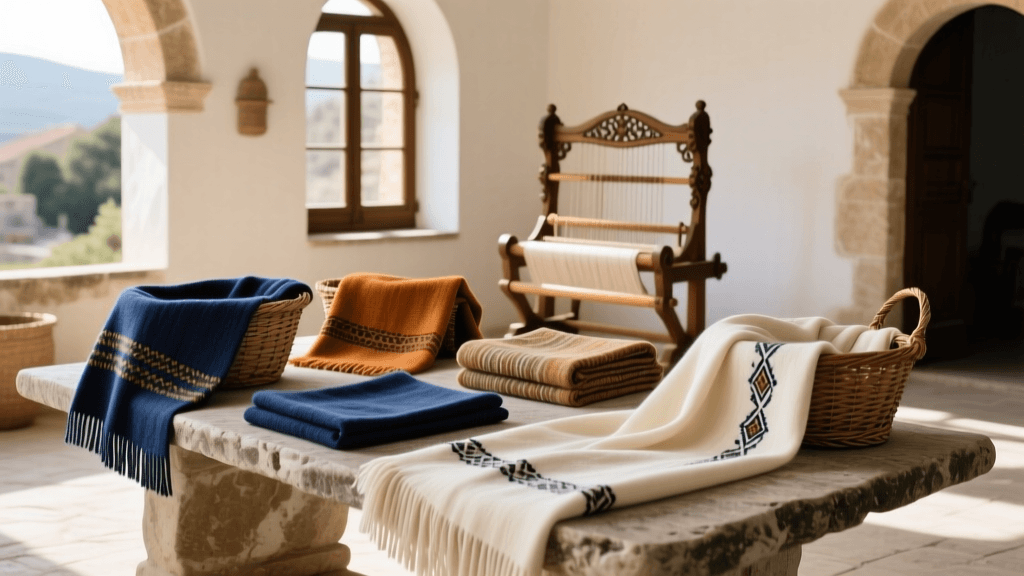
The scialle is perhaps the most iconic and versatile element of Sardinian women's traditional folk dress. Historically, it served both practical and deeply symbolic purposes. Worn draped over the head and shoulders during religious ceremonies or wrapped tightly against the biting Mediterranean winter winds, the shawl was a canvas for a village's specific textile dialect.
Authentic heritage shawls are woven on traditional wooden floor looms, utilizing a technique known as pibiones (or grains). This method involves wrapping the weft yarn around a long, smooth rod placed across the warp, creating raised, three-dimensional bumps that form intricate geometric, floral, or zoomorphic motifs. In 2026, master weavers in villages like Samugheo and Isili continue to produce pibiones textiles entirely by hand, a painstaking process that yields only a few centimeters of fabric per hour.
The Magic of Orbace Wool
While the scialle represents the delicate artistry of Sardinian weaving, orbace represents its rugged, utilitarian soul. Orbace is a coarse, highly durable, and naturally water-resistant wool derived from the indigenous Sarda sheep. Historically worn by shepherds in the form of heavy cloaks (saccu) and trousers (cartzones), orbace is characterized by its dark, undyed hues—ranging from deep charcoal to rich espresso brown. In 2026, heritage brands are reimagining orbace for modern outerwear, crafting structured overcoats and capes that offer exceptional thermal regulation and weather resistance without the use of synthetic membranes.
Natural Dyes of the Sardinian Highlands
A defining feature of authentic Sardinian folk garments is the use of botanical dyes, a practice that heritage cooperatives have fiercely protected against the encroachment of synthetic aniline dyes. The color palette of a traditional scialle tells a story of the island's flora:
- Rubia Peregrina (Madder Root): Yields the deep, iconic terracotta reds seen in the shawls of the Desulo and Tonara regions.
- Juglans Regia (Walnut Husks): Produces the rich, warm browns and dark greys used heavily in orbace garments and men's folk vests.
- Crocus Sativus (Saffron): Cultivated extensively in San Gavino Monreale, saffron provides brilliant, sunlit yellows for ceremonial embroidery and fine silk-blend shawls.
- Wild Fennel and Broom: Used to achieve vibrant, colorfast greens and golden-ochres that reflect the springtime Mediterranean macchia.
Top Heritage Brands and Artisan Cooperatives (2026 Edition)
For collectors and enthusiasts looking to acquire authentic Sardinian garments in 2026, it is crucial to support the cooperatives and heritage houses that employ local artisans and maintain traditional looming standards. The broader push for ethical fashion has elevated these brands, as noted by Italy.it's directory of traditional Italian craftsmanship, which highlights the vital economic role these workshops play in preventing rural depopulation.
1. Tessitura Artigiana Sarda (Samugheo)
Based in Samugheo, the undisputed capital of Sardinian weaving, this cooperative specializes in heavy pibiones textiles. In 2026, their signature offering is the Scialle di Samugheo, a heavyweight wool and linen blend shawl featuring ancient apotropaic (evil-warding) geometric motifs. They also produce limited-run orbace wool blankets and capes that are highly sought after by interior designers and fashion archivists alike.
2. Maison of the Nuraghe (Barbagia Region)
A contemporary heritage brand that bridges the gap between ancient folk dress and modern luxury tailoring. Maison of the Nuraghe sources raw, unspun wool directly from highland shepherds. Their 2026 collection features tailored orbace wool blazers and wrap skirts that utilize traditional natural dyes but feature modern, minimalist silhouettes, making them suitable for both urban environments and high-society galas.
3. Cooperativa Tessile di Isili
Famous for their incredibly fine, almost lace-like scialle variations, the weavers of Isili incorporate metallic threads and fine cotton alongside local wool. Their ceremonial shawls are masterpieces of patience, often taking over three months to complete on a single loom. They are the premier destination for brides seeking authentic Sardinian heritage pieces for their wedding trousseaus.
2026 Buyer’s Guide: Authenticity and Pricing Table
As demand for European folk dress has surged, the market has seen an influx of machine-made imitations imported from overseas. True heritage garments are an investment in human time and cultural preservation. Below is a comparative pricing and specification guide for authentic Sardinian textiles in the 2026 market.
| Brand / Cooperative | Signature Technique | Signature Garment | 2026 Price Range (EUR) | Estimated Lead Time |
|---|---|---|---|---|
| Tessitura Artigiana Sarda | Heavy Pibiones (Wool/Linen) | Traditional Samugheo Scialle | €850 - €1,400 | 8 - 12 Weeks |
| Maison of the Nuraghe | Refined Orbace Tailoring | Modern Orbace Wrap Coat | €1,200 - €2,500 | 4 - 6 Weeks |
| Cooperativa Tessile di Isili | Fine Pibiones with Metallic Thread | Ceremonial Bridal Shawl | €2,000 - €4,500 | 3 - 5 Months |
| Independent Artisans (Ateliers) | Custom Botanical Dyeing | Bespoke Folk Vest (Gilet) | €600 - €950 | 6 - 8 Weeks |
Note: Prices reflect direct-from-artisan purchases in 2026. Purchasing through international luxury boutiques may incur a 40-60% markup.
How to Spot Authentic Sardinian Weaving
When evaluating a scialle or orbace garment, turn the fabric over. Authentic hand-loomed pibiones will show a slightly irregular, organic texture on the reverse side, and the raised "grains" will be securely integrated into the warp and weft, not merely stitched on top. Furthermore, genuine botanical dyes possess a complex, multi-tonal depth that flat synthetic dyes cannot replicate; a madder-dyed red will show subtle variations of orange and brown when held in natural sunlight. Finally, look for the Marchio di Qualità Artigiana (Artisan Quality Mark), a regional certification that guarantees the piece was crafted entirely by hand within Sardinia.
Caring for Your Heritage Sardinian Garments
Garments made from orbace wool and hand-loomed botanical dyes require specialized care to ensure they last for generations. Orbace is naturally lanolin-rich, meaning it repels water and odors; it rarely needs washing. Instead, air your orbace coats outside on a breezy, shaded day. For the delicate scialle, avoid dry cleaning, as harsh chemicals will strip the natural oils from the wool and fade the botanical dyes. If soil occurs, spot-clean gently with cold water and a pH-neutral wool soap, then lay flat to dry away from direct sunlight to prevent the saffron and madder pigments from bleaching.
Conclusion
The revival of Sardinian regional dress in 2026 is a testament to the enduring power of cultural heritage. By investing in a hand-loomed scialle or an expertly tailored orbace garment, you are not merely acquiring a piece of clothing; you are becoming a custodian of an ancient Mediterranean legacy. As recognized by global cultural institutions like the UNESCO Intangible Cultural Heritage registry, the preservation of traditional craftsmanship is vital to maintaining the diverse cultural tapestry of humanity. Support the master weavers of Sardinia, and wear a piece of history that is as resilient and beautiful as the island itself.