Balkan Folk Dress Guide: Serbian, Croatian & Bulgarian Costumes 2026
The Enduring Legacy of Balkan Textiles in 2026
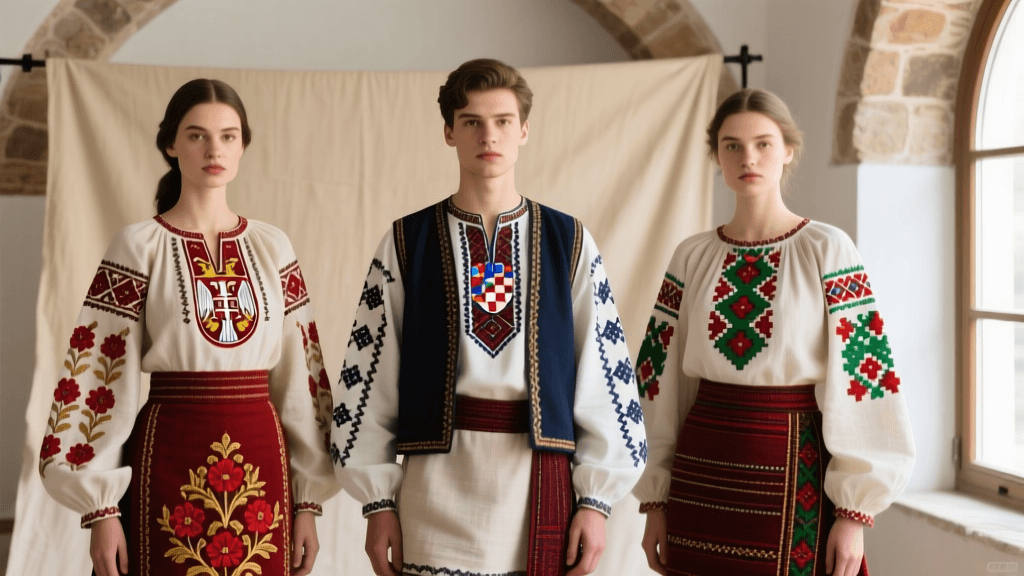
The Balkan Peninsula has long served as a vibrant crossroads of empires, trade routes, and cultural exchanges. This complex history is vividly woven into the region's traditional folk dress. As we navigate the fashion and cultural landscape of 2026, there is a profound resurgence of interest in authentic, handcrafted European folk costumes. Driven by the global slow fashion movement and a renewed desire among diaspora communities to reconnect with their roots, traditional garments from Serbia, Croatia, and Bulgaria are experiencing a major renaissance. Today's collectors, cultural enthusiasts, and sustainable fashion advocates are moving away from mass-produced, synthetic festival wear, opting instead for museum-quality, artisan-crafted pieces that honor historical construction techniques.
Understanding the nuances of Balkan folk dress requires a deep dive into regional variations, textile weights, and the symbolic language of embroidery. Whether you are sourcing authentic pieces for a cultural exhibition, attending a heritage festival this summer, or integrating traditional elements into a contemporary wardrobe, this comprehensive 2026 guide will navigate the intricate world of Serbian, Croatian, and Bulgarian traditional costumes.
Serbian Narodna Nošnja: From Opanci to Zubun
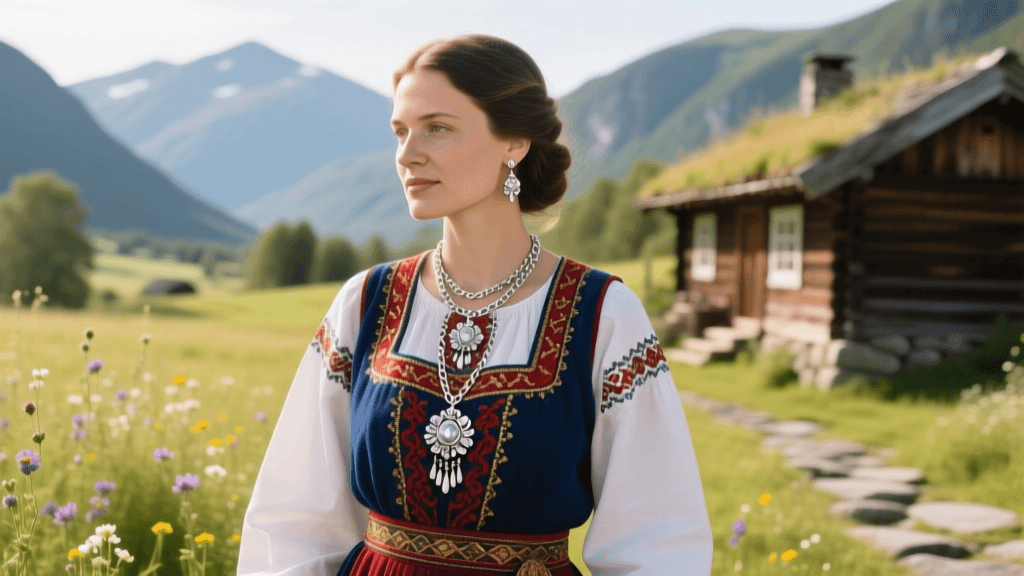
Serbian traditional dress, known as narodna nošnja, is characterized by its striking silhouettes, heavy use of woven wool, and intricate metallic embroidery. The attire varies significantly between the northern Vojvodina region, which reflects Austro-Hungarian influences, and the southern mountainous areas, where Ottoman and Byzantine legacies are more pronounced.
Key Garments and Construction
The foundational garment for both men and women is the košulja, a loose-fitting linen or hemp shirt. In 2026, authentic artisan shirts from the Šumadija region are highly prized for their hand-drawn threadwork (beli vez), which creates delicate, white-on-white geometric patterns. Over the shirt, women typically wear a woven wool apron (pregača) and a richly decorated vest known as a jelek or zubun. The zubun is often crafted from heavy felted wool and adorned with red and gold braiding (gajtan), which historically indicated the wearer's marital status and village of origin.
Footwear is equally iconic. The opanci, traditional leather moccasins with curled toes, are still handcrafted by master cobblers in Belgrade and rural villages. According to curators at the Ethnographic Museum in Belgrade, the specific curl and stitching pattern of the opanak can pinpoint a wearer's exact regional heritage. In 2026, bespoke opanci made from sustainably sourced, vegetable-tanned leather are a staple for folk dance ensembles and heritage weddings.
Croatian Regional Dress and the Art of Zlatovez
Croatian folk costumes are incredibly diverse, largely categorized into three distinct regional styles: the Pannonian (Slavonian), the Dinaric (mountainous), and the Adriatic (coastal). Each style utilizes materials native to its environment, resulting in a fascinating spectrum of textiles and colors.
Slavonian Zlatovez and Pannonian Elegance
In the fertile plains of Slavonia, the traditional dress is renowned for its opulent gold embroidery, known as zlatovez. Women's blouses and aprons are heavily embellished with intricate floral motifs stitched using real gold or silver wire over a raised hemp cord. The 2026 market for authentic zlatovez pieces is highly competitive, with master embroiderers in the town of Đakovo taking months to complete a single bridal blouse. The base fabric is typically fine, hand-loomed linen that provides structural integrity to support the heavy metallic threads.
Dinaric and Coastal Traditions
Conversely, the Dinaric mountain regions favor heavy, dark wools designed to withstand harsh winters. Men's attire often features the gunj, a thick woolen coat, paired with a red sash and a silver-mounted pistol or knife. Along the Adriatic coast, the attire lightens significantly, incorporating silk, lace, and Mediterranean motifs. The island of Pag is globally celebrated for its needlepoint lace (paška čipka), a painstakingly complex craft that has been officially recognized on the UNESCO Intangible Cultural Heritage list. In 2026, Pag lace collars and blouses are highly sought after by luxury fashion collectors who appreciate the intersection of traditional folk art and haute couture.
Bulgarian Folk Costumes: The Two-Apron System and Sukman
Bulgarian folk dress is perhaps the most visually striking in the Balkans, defined by its bold color palettes, asymmetrical hems, and profound symbolic embroidery. Bulgarian costumes are traditionally divided into several main types, with the two-apron system and the sukman being the most prevalent among women.
The Sukman and the Language of Motifs
The sukman is a sleeveless, tunic-like overdress, usually made of thick, dark wool, worn over a white linen chemise. It is heavily embroidered at the hem, neckline, and bodice. The embroidery is not merely decorative; it serves as a protective talisman. Traditional Bulgarian motifs include the 'tree of life', solar crosses, and stylized roosters, all designed to ward off the 'evil eye' and ensure fertility and prosperity. In 2026, contemporary textile artists in Plovdiv are reviving natural dyeing techniques, using madder root for deep reds, indigo for blues, and weld for vibrant yellows, ensuring that modern reproductions remain historically and ecologically accurate.
Men's traditional attire in Bulgaria is generally categorized into 'white' (belodreshna) and 'black' (chernodreshna) styles. The white style, featuring tight-fitting white wool trousers (beli poturi) and short jackets, is older and associated with the western mountainous regions. The black style, which emerged during the National Revival period, features loose, pleated trousers (poturi) made of dark wool, often accompanied by a wide red sash wrapped tightly around the waist to support the back during agricultural labor.
2026 Artisan Sourcing and Pricing Guide
For collectors, museums, and enthusiasts looking to acquire authentic Balkan folk dress in 2026, understanding current market valuations and sourcing channels is critical. The shift towards ethical, artisan-made garments has driven up the cost of genuine hand-loomed and hand-embroidered pieces, while simultaneously supporting rural craft cooperatives. Below is a comparative guide to sourcing and pricing for authentic garments this year.
| Garment Type | Region of Origin | Primary Material | 2026 Artisan Price (EUR) | Sourcing Hub / Cooperative |
|---|---|---|---|---|
| Zlatovez Blouse | Slavonia, Croatia | Hand-loomed Linen & Gold Thread | €280 - €450 | Đakovo Artisan Embroidery Guild |
| Šumadija Zubun Vest | Central Serbia | Felted Wool & Silk Gajtan | €150 - €220 | Belgrade Ethno Textile Market |
| Thracian Sukman Tunic | Southern Bulgaria | Heavy Wool & Natural Dyes | €190 - €300 | Plovdiv Old Town Weaving Co-ops |
| Opanci Leather Footwear | Widespread Balkans | Vegetable-Tanned Cowhide | €80 - €120 | Master Cobblers, Niš & Belgrade |
| Pag Needlepoint Lace Collar | Island of Pag, Croatia | White Cotton/Silk Thread | €350 - €600 | Pag Lace Gallery & Artisan Co-op |
Note: Prices reflect bespoke, newly commissioned pieces crafted by certified artisans using traditional methods. Antique garments sourced from verified dealers at institutions like the Victoria and Albert Museum's textile archives or specialized auction houses will command significantly higher premiums based on provenance and condition.
Tailoring and Sizing Considerations
When commissioning traditional Balkan garments in 2026, it is vital to remember that historical sizing differs vastly from modern fast-fashion standards. Traditional shirts (košulja) are cut with wide, rectangular gussets under the arms to allow for freedom of movement during folk dances like the kolo or horo. Skirts and aprons are typically wrapped and tied rather than zipped, allowing for adjustable sizing. Always provide artisans with precise bust, waist, hip, and torso-length measurements, and request a mock-up fitting if you are ordering heavy, structured garments like the zubun or gunj.
Contemporary Revival: Festivals and Slow Fashion in 2026
The year 2026 marks a pivotal moment for the integration of Balkan folk dress into contemporary cultural life. It is no longer confined to museum vitrines or staged tourist performances. Across the region, major cultural festivals are championing authenticity, strict adherence to historical accuracy, and sustainable textile practices.
In Bulgaria, the Rozhen Folk Fair remains the premier destination for experiencing and purchasing authentic Rhodope and Thracian costumes. The 2026 edition has introduced strict vendor vetting processes to ensure that only natural fibers and traditional loom techniques are represented, actively pushing back against the influx of cheap, imported synthetic costumes. Similarly, Serbia's Guča Trumpet Festival and the Dragačevski Sabor continue to be vibrant showcases of regional dress, where attendees proudly wear family heirlooms alongside newly commissioned artisan pieces.
In Croatia, the Đakovački Vezovi (Đakovo Embroidery Festival) celebrates the pinnacle of Slavonian textile art. In 2026, the festival has expanded its workshops to teach younger generations the complex stitch work required for zlatovez, ensuring the survival of this endangered craft. For fashion designers and cultural historians, these festivals offer unparalleled opportunities to study the drape, movement, and layering of traditional garments in their intended, dynamic context.
Conclusion: Preserving the Threads of History
The traditional folk costumes of Serbia, Croatia, and Bulgaria are far more than mere clothing; they are woven archives of history, identity, and artistic brilliance. As the 2026 slow fashion movement continues to prioritize heritage, sustainability, and artisanal craftsmanship, the appreciation for these garments has never been higher. By investing in authentic pieces, supporting rural weaving cooperatives, and respecting the deep cultural symbolism embedded in every stitch, we ensure that the magnificent textile legacy of the Balkans will endure for generations to come. Whether you are adding a piece of Pag lace to your collection or commissioning a bespoke Serbian zubun, you are participating in the vital, ongoing story of European folk dress.