Sardinian Pibiones Weaving & Heritage Garment Brands in 2026
The Renaissance of Sardinian Folk Dress in 2026
European folk dress encompasses a vast array of textile traditions, but few are as intricate, deeply symbolic, and meticulously preserved as the traditional garments of Sardinia. In 2026, the global slow fashion movement has sparked a massive resurgence in demand for authentic, regionally crafted heritage garments. At the forefront of this revival is the Sardinian costume sardo, a masterclass in textile engineering, natural dyeing, and loom weaving. For collectors, cultural historians, and enthusiasts of European folk dress, understanding the mechanics of Sardinian weaving and knowing which heritage brands are keeping these traditions alive is essential. This guide explores the iconic pibiones weaving technique, the anatomy of regional garments, and the artisan cooperatives defining Sardinian textile heritage in 2026.
Understanding Pibiones: The Signature Grain Weave
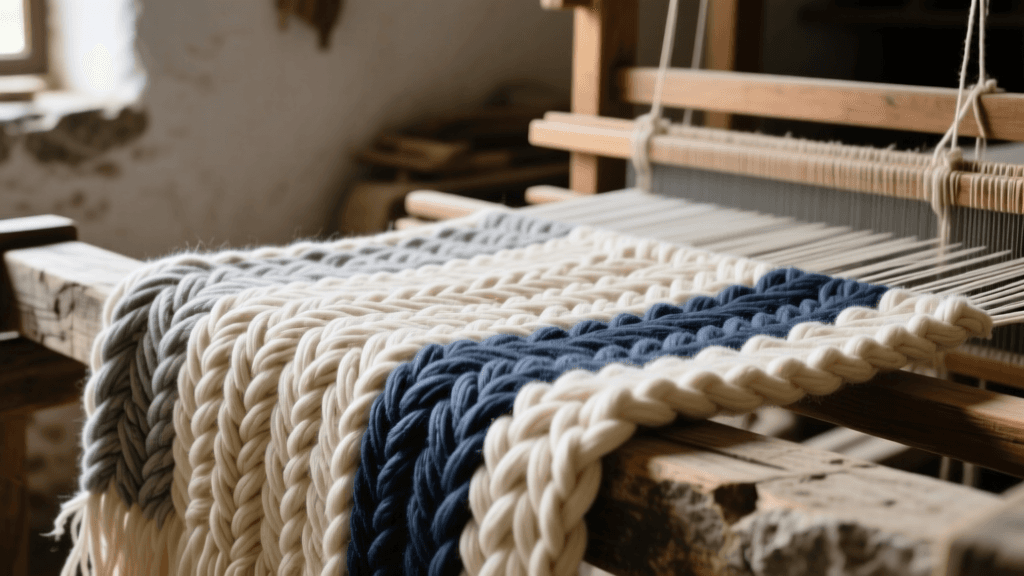
The crown jewel of Sardinian textile art is the pibiones (or grano) weave. Translating roughly to grapes or grains in the local dialect, this technique creates a distinct, raised, three-dimensional texture on the surface of the fabric. It is achieved using a supplementary weft thread on a traditional horizontal treadle loom. As the weaver passes the shuttle, they loop the supplementary yarn over a smooth wooden or metal rod laid across the warp. When the rod is removed, the loops remain as raised grains on the fabric surface, forming intricate geometric patterns, stylized flora, and ancient apotropaic symbols.
In 2026, master weavers in the village of Samugheo—the undisputed capital of Sardinian textile arts—are utilizing century-old wooden looms alongside carefully calibrated modern tensioning systems to produce pibiones fabrics that are both historically accurate and structurally sound for contemporary garment construction. The resulting textiles are heavy, durable, and possess a tactile richness that machine-woven replicas simply cannot replicate.
Anatomy of the Traditional Samugheo Costume
To appreciate the heritage brands producing these garments, one must understand the components of the traditional female folk dress from the Oristano province, specifically Samugheo. The costume is a layered marvel of contrasting textures and precise tailoring.
Sa Camisa (The Linen Shirt)
The foundational layer is sa camisa, crafted from hand-loomed linen. In 2026, heritage artisans continue to use locally sourced flax, bleached in the sun. The chest, shoulders, and cuffs are heavily embroidered using the punt'e nodu (knotted point) technique, a variation of needle lace that creates durable, raised floral motifs. A high-quality bespoke camisa requires up to 80 hours of embroidery alone.
Su Corsu (The Bodice)
Over the shirt sits su corsu, a rigid, heavily structured bodice. The outer panels are frequently upholstered in pibiones woven fabric or rich silk velvet, while the inner lining utilizes stiffened canvas or quilted linen to provide corset-like support without the use of restrictive boning. The bodice is laced at the front or back with silk cords, allowing for adjustable fit and layered styling.
Sa Falda and Su Panniccu (The Skirt and Apron)
The skirt, or sa falda, is a triumph of textile manipulation. Woven from heavy, dark wool, the fabric is subjected to sa ragas—a meticulous pleating process where the wool is folded into microscopic, uniform pleats, bound tightly, and set using heat and natural starches. Over the skirt rests su panniccu, an apron made of fine pibiones weave, often dyed in vibrant reds or deep indigos, serving as the visual centerpiece of the ensemble.
Orbace Wool and Natural Dyeing Traditions
The structural integrity of Sardinian folk dress relies heavily on orbace (or orbaci), a coarse, tightly spun, and highly water-resistant sheep wool. Historically worn by shepherds for its weatherproof qualities, orbace is the canvas for the region's most skilled dyers. According to cultural preservation data highlighted by Sardegna Turismo, the 2026 market has seen a strict return to botanical dyes, abandoning synthetic alternatives to meet the demands of eco-conscious collectors.
Heritage dye houses utilize rubia tinctorum (madder root) to achieve deep, colorfast crimsons, while wild asphodel roots and walnut husks are fermented to produce rich, earthy blacks and browns. The mordanting process, which fixes the dye to the orbace wool, relies on natural alum and local mineral-rich clays, ensuring the garments remain vibrant for generations.
Heritage Cooperatives and the Role of MURATS
When sourcing authentic Sardinian garments in 2026, buyers must look to the artisan cooperatives that protect these intellectual and cultural properties. The village of Samugheo operates on a cooperative model, where master weavers share resources, loom maintenance, and market access. The epicenter of this preservation effort is the MURATS (Museo Unico Regionale dell'Arte Tessile Sarda). This institution not only archives historical patterns dating back to the 18th century but also certifies contemporary weavers who adhere to strict traditional methodologies.
Brands and cooperatives operating under the MURATS guidelines guarantee that the pibiones textiles are woven by hand on wooden looms, utilizing natural fibers and botanical dyes. Purchasing from these certified cooperatives ensures that your investment directly supports the rural Sardinian economy and the survival of European folk dress traditions.
2026 Buyer's Guide: Pricing and Lead Times
Commissioning or purchasing authentic Sardinian folk garments requires patience and a premium budget. Below is the 2026 pricing and lead time structure for heritage pieces sourced directly from Samugheo cooperatives.
| Garment / Textile | Primary Material | Technique | 2026 Price Range (EUR) | Lead Time |
|---|---|---|---|---|
| Pibiones Shawl (Scialle) | Merino / Silk Blend | Supplementary Weft | €450 - €700 | 4 - 6 Weeks |
| Su Corsu (Bodice) | Velvet / Orbace Wool | Hand-Tailored / Woven | €800 - €1,200 | 8 - 10 Weeks |
| Sa Falda (Pleated Skirt) | Heavy Orbace Wool | Sa Ragas Pleating | €1,100 - €1,600 | 10 - 14 Weeks |
| Sa Camisa (Linen Shirt) | Hand-Loomed Linen | Punt'e Nodu Embroidery | €600 - €950 | 6 - 8 Weeks |
| Full Ceremonial Ensemble | Mixed Heritage Fibers | Complete Assembly | €3,500 - €5,500+ | 6 - 9 Months |
Garment Care and Preservation
Owning a piece of Sardinian heritage requires specialized care, particularly for orbace wool and heavily pleated sa falda skirts. Never machine wash or dry clean orbace using harsh chemical solvents, as this strips the wool of its natural lanolin, destroying its water-resistant properties and causing the fibers to become brittle.
For spot cleaning, use a pH-neutral wool wash and cold water, gently dabbing the affected area. To maintain the structural integrity of sa ragas pleats, the skirt must never be hung on a standard hanger. Instead, it should be rolled around an acid-free cardboard tube, interleaved with unbleached muslin, and stored in a climate-controlled cedar chest to prevent moisture buildup and moth damage. The pibiones textiles should be brushed gently with a natural boar-bristle brush to remove dust from the raised grain loops without pulling the supplementary weft threads.
Styling Heritage Pieces for the Modern Wardrobe
While full ceremonial costumes are typically reserved for major cultural events like the Cavalcata Sarda in Sassari or the Sagra di Sant'Antioco, individual heritage pieces are increasingly being integrated into high-end contemporary wardrobes in 2026. A pibiones woven shawl, with its striking geometric relief, serves as an extraordinary statement piece when draped over a minimalist, tailored wool coat. Similarly, the structured su corsu bodice is frequently adopted by avant-garde fashion enthusiasts as an outerwear corset, layered over crisp white poplin blouses or sleek silk evening wear.
By investing in authentic Sardinian garments, collectors are not merely acquiring clothing; they are acting as custodians of European folk dress history. The meticulous craftsmanship, from the rhythmic clatter of the Samugheo treadle looms to the final stitch of punt'e nodu embroidery, represents an unbroken lineage of Mediterranean textile artistry that continues to thrive and evolve in the modern era.