Sardinian Pibiones Weaving & Orbace Wool: 2026 Heritage Revival
The Enduring Legacy of Sardinian Folk Textiles
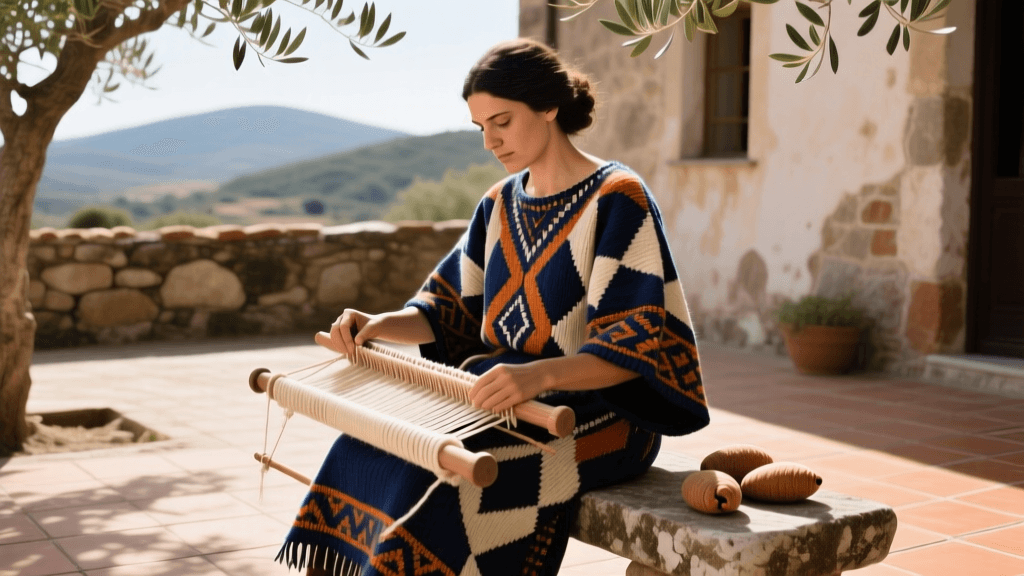
Sardinia’s rugged topography and historical isolation have long served as a natural fortress, preserving some of the most intricate and resilient folk dress traditions in Europe. While mainland Italian fashion rapidly industrialized in the 20th century, the island’s tessitrici (traditional weavers) maintained their ancestral rhythms, passing down loom techniques from generation to generation. As we navigate the fashion landscape of 2026, there is a profound resurgence of interest in authentic, regionally specific garments. Discerning collectors, slow-fashion advocates, and cultural historians are increasingly turning to Sardinian heritage brands that specialize in Pibiones weaving and Orbace wool. These textiles are no longer just museum artifacts; they are the foundation of a thriving, contemporary luxury craft sector that honors its roots while adapting to modern wardrobes.
According to cultural preservation data highlighted by Sardegna Cultura, the island's regional initiatives in 2026 have heavily subsidized the restoration of antique wooden looms, ensuring that the physical infrastructure of this craft survives. This institutional support, combined with a global consumer pivot toward traceable, artisanal luxury, has positioned Sardinian folk textiles at the forefront of the European heritage revival.
Understanding Pibiones: The “Grain” Weaving Technique
Originating primarily in the central mountain village of Samugheo, the Pibiones (meaning “grains” or “seeds” in the Sardinian dialect) technique is a highly specialized form of raised weaving. The distinctive texture is achieved by using a supplementary weft thread that is looped over a smooth, cylindrical rod placed across the warp. Once the rod is removed, the loops remain as raised, tactile bumps on the surface of the fabric, resembling rows of scattered grain.
Historically, Pibiones was reserved for a bride’s dowry, specifically for elaborate bedspreads (fanugas) and ceremonial towels. The geometric patterns—often featuring stylized vines, birds, and protective eyes—were believed to ward off the evil eye and ensure fertility. In 2026, heritage cooperatives have brilliantly adapted this technique for apparel. Contemporary Sardinian designers are utilizing Pibiones weaving to create structured jackets, A-line skirts, and even luxury handbags. The raised texture provides a three-dimensional quality that modern digital printing simply cannot replicate, making each garment a unique piece of tactile art.
Orbace Wool: The Backbone of Traditional Sardinian Dress
If Pibiones represents the decorative soul of Sardinian textiles, Orbace is its enduring backbone. Orbace is a coarse, highly durable wool woven from the fleece of the indigenous Sardinian sheep. The wool is spun and woven so tightly, and retains so much of its natural lanolin, that it becomes virtually waterproof and windproof. This made it the indispensable material for the island’s shepherds and farmers, who braved the harsh, unpredictable Mediterranean winters in the highlands of the Gennargentu massif.
The most iconic garment crafted from Orbace is the mastruca, a heavy, sleeveless sheepskin or wool vest worn over a linen shirt. Another traditional staple is the ragas, a kilt-like garment worn by men in rural villages. Today, the 2026 market has seen Orbace elevated from rustic workwear to high-end heritage outerwear. Modern tailors are blending Orbace with softer merino linings and contemporary silhouettes, creating overcoats and capes that appeal to buyers seeking extreme durability and historical authenticity. The digital archives at Europeana feature extensive historical photography of 19th-century shepherds in mastrucas, providing a vital visual reference for today’s heritage tailors replicating these historic cuts.
Natural Dyeing: Returning to the Earth
A crucial component of the 2026 heritage revival is the rejection of synthetic aniline dyes in favor of traditional, botanical pigments. Master dyers in villages like Atzara and Desulo are once again foraging for local flora to achieve the rich, muted tones characteristic of authentic Sardinian folk dress. Rubia tinctorum (madder root) is cultivated to produce deep, rust-reds; Juglans regia (walnut husks) yield rich, dark browns; and wild chamomile provides soft, golden yellows. This commitment to natural dyeing not only ensures historical accuracy but also aligns with the strict environmental and sustainability standards demanded by the 2026 luxury textile market.
Comparison: Traditional vs. Contemporary Sardinian Garments
To understand how these ancient textiles are being integrated into modern life, it is helpful to compare their historical functions with their contemporary applications and current market valuations.
| Garment Type | Primary Material | Historical Function | 2026 Contemporary Application | Average 2026 Price (EUR) |
|---|---|---|---|---|
| Mastruca (Vest) | Heavy Orbace Wool | Shepherd's winter protection | Luxury outerwear / Runway statements | €600 - €950 |
| Pibiones Skirt | Cotton/Wool Blend | Festive village wear | High-end resort wear / Bridal | €450 - €800 |
| Cambusciu (Shawl) | Fine Wool / Silk | Church and ceremony wrap | Evening wrap / Heirloom accessory | €300 - €550 |
| Berritta (Cap) | Black Wool Felt | Daily rural headwear | Artisanal streetwear accessory | €80 - €150 |
The 2026 Festival Circuit and Youth Revival
The true test of any folk dress tradition is its living presence in the community. The 2026 edition of the Cavalcata Sarda in Sassari and the Sagra di Sant'Efisio in Cagliari showcased a remarkable demographic shift. Unlike previous decades, where participants were predominantly older generations, 2026 saw a record 30% increase in youth participation. Young Sardinians are actively commissioning newly woven, authentic regional costumes rather than relying solely on inherited family heirlooms. This grassroots demand has provided a vital economic lifeline to rural weaving cooperatives, ensuring that the telaio (loom) remains a viable profession for young artisans. Detailed event schedules and cultural itineraries for these festivals are regularly updated on the official Sardegna Turismo portal, drawing thousands of textile enthusiasts to the island each spring.
How to Identify Authentic Sardinian Handwoven Textiles
With the rising global demand for artisanal goods, the market has inevitably seen an influx of mass-produced imitations. When investing in Sardinian heritage garments in 2026, buyers must look for specific markers of authenticity:
- The Marchio di Origine e Qualità: The Sardinian regional government issues this official certification mark to cooperatives and independent artisans who meet strict criteria regarding local materials, traditional techniques, and hand-loom production.
- Irregularities in the Weave: Genuine Pibiones weaving will have microscopic variations in the tension and alignment of the “grains.” Perfect, machine-like uniformity is a red flag for industrial jacquard looms.
- The Scent of Lanolin: Authentic, unbleached Orbace wool retains a faint, natural scent of lanolin and sheep. If the wool smells heavily of chemical processing or synthetic perfume, it has likely been industrially scoured.
- Artisan Signatures: Many master weavers in 2026 are integrating subtle, personalized motifs or stitching their initials into the inner selvedge of the fabric, acting as a signature of their craft.
Caring for Your Orbace and Pibiones Garments
Owning a piece of Sardinian heritage requires specialized care to ensure it lasts for generations. The natural oils in Orbace wool make it inherently stain-resistant, but improper cleaning can strip these oils and ruin the garment's structure.
Washing and Drying
Never machine wash or dry clean Pibiones or Orbace textiles using harsh chemical solvents. If washing is necessary, submerge the garment in cold water (maximum 20°C) using a pH-neutral, lanolin-rich wool detergent. Gently press the water through the fibers without wringing or twisting, which can distort the raised Pibiones loops. Rinse thoroughly in cool water and roll the garment in a clean, dry towel to absorb excess moisture. Always dry the garment flat on a mesh rack, away from direct sunlight or artificial heat sources, to prevent the natural dyes from fading and the wool from shrinking.
Storage and Maintenance
When storing your heritage garments for the off-season, avoid plastic garment bags, which trap moisture and encourage mildew. Instead, use breathable cotton canvas bags. To protect the wool from moth damage, place natural cedar blocks or dried lavender sachets in the storage area. Brush Orbace coats regularly with a natural boar-bristle brush to remove surface dust and redistribute the lanolin, keeping the fabric supple and water-resistant.
“The loom does not just weave thread; it weaves the memory of the village. Every bump in the Pibiones is a heartbeat of our ancestors, and every thread of Orbace is a shield against the mountain wind.” — Proverb of the Samugheo Weavers.
As 2026 progresses, the dedication of Sardinian artisans ensures that these ancient techniques are not merely preserved in glass cases, but are worn, lived in, and celebrated as a vital, breathing component of European folk dress.