Sardinian Pibiones Textiles: 2026 Heritage Brand Guide
The Enduring Legacy of Sardinian Folk Dress
Sardinia, an island steeped in ancient history and rugged isolation, boasts one of the most vibrant and well-preserved folk dress traditions in Europe. Unlike many mainland European regions where traditional garments faded into obscurity during the industrial revolution, Sardinian textile heritage has remained a living, breathing part of the local culture. As we navigate the artisan market in 2026, there is a profound resurgence of interest in authentic, hand-woven Sardinian garments. Discerning collectors, cultural historians, and sustainable fashion enthusiasts are increasingly seeking out heritage brands that preserve ancestral techniques. This guide explores the intricate world of Sardinian regional textiles, focusing on the iconic pibiones weaving technique and the robust orbace wool, while providing actionable advice for sourcing authentic pieces in today's market.
Understanding Pibiones and Orbace: The Soul of Sardinian Weaving
To truly appreciate Sardinian folk dress, one must understand the foundational textiles that define it. The island's weaving tradition is not merely decorative; it is deeply tied to the social and economic fabric of its villages, with specific patterns historically denoting a wearer's marital status, wealth, and geographic origin.
The Pibiones (Grain) Technique
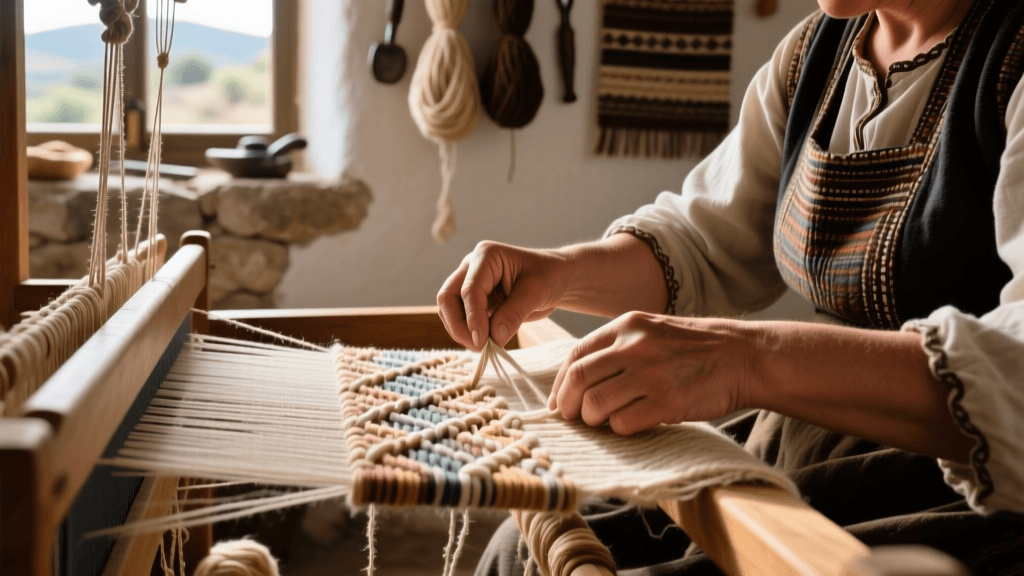
The pibiones (meaning 'grains' or 'berries' in the Sardinian dialect) is a highly specialized, raised-loop weaving technique that creates a textured, three-dimensional surface. Artisans achieve this effect by wrapping the weft thread around a long, smooth wooden or metal rod laid across the warp. Once the row is beaten tightly into place, the rod is removed, leaving a series of raised, uniform bumps that resemble grape seeds or grains of rice. In 2026, master weavers in villages like Samugheo and Bonorva continue to produce pibiones textiles on traditional wooden floor looms. While historically used for bridal trousseaus, bedspreads, and ceremonial towels, contemporary heritage brands have adapted this technique for modern shawls, upholstery, and high-end fashion accents, ensuring the craft's economic viability.
Orbace: The Water-Resistant Wool of the Shepherds
If pibiones represents the decorative soul of Sardinian textiles, orbace represents its rugged, utilitarian heart. Orbace is a coarse, tightly woven wool fabric made from the fleece of local Sardinian sheep. The wool is spun and woven with its natural lanolin largely intact, and the finished fabric is often fulled (beaten and shrunk in water) to create a dense, highly water-resistant, and windproof material. Historically, orbace was the primary material for the gabbanu (a heavy, hooded shepherd's coat) and the ragas (a pleated, kilt-like skirt worn over trousers). Today, heritage cooperatives are producing lighter-weight orbace blends for contemporary outerwear, maintaining the fabric's legendary durability while improving its drape and comfort for modern consumers.
Regional Variations: From Nuoro to Desulo
Sardinia is not a monolith; its mountainous terrain historically isolated communities, resulting in hyper-local variations in folk dress. Understanding these regional nuances is critical for collectors and buyers in 2026 who wish to acquire historically accurate pieces.
- Nuoro and the Barbagia Region: The traditional dress of Nuoro is characterized by its severity and elegance. Women's garments often feature dark, heavy wool skirts (saunnedda) paired with intricately embroidered linen blouses and rich velvet bodices. The color palette is subdued, relying on the texture of the weave and the quality of the gold and silver filigree jewelry to convey status.
- Desulo: In stark contrast, the folk dress of Desulo is famous for its vibrant, striking colors. The women's costumes feature brilliant reds, deep blues, and elaborate floral embroidery. The pibiones technique is frequently incorporated into the decorative borders of the aprons and shawls, creating a stunning visual contrast against the bright base fabrics.
- Busachi: Located in the Oristano province, Busachi is renowned for its exquisite linen work and gold-thread embroidery. The traditional blouses here are masterpieces of needlework, often featuring delicate punt'e nuedu (knot stitch) lace that rivals the finest mainland Italian lace-making traditions.
- Samugheo: Known as the weaving capital of Sardinia, Samugheo is the epicenter of the pibiones revival. The town's cooperative weavers are the primary source for authentic, loom-woven textiles, supplying both local costumers and international heritage fashion houses.
2026 Heritage Brands and Artisan Cooperatives
Sourcing authentic Sardinian textiles in 2026 requires navigating a market that includes both genuine artisan cooperatives and mass-produced imitations. To guarantee authenticity, buyers should look for pieces certified by regional cultural institutions. According to cultural preservation data from the Regione Autonoma della Sardegna, government-backed artisan guilds have implemented strict 'Made in Sardinia' traceability tags for textiles woven on traditional looms using locally sourced fibers.
Ethnographic studies published by the University of Cagliari emphasize the importance of supporting village cooperatives rather than commercial middlemen. Cooperatives such as the Tessitura Artigiana Samugheo and the ISOLA (Istituto Superiore Regionale Etnografico) network ensure that weavers receive fair compensation and that ancestral patterns are preserved without dilution. When purchasing in 2026, always request a certificate of authenticity that details the weaver's name, the village of origin, and the specific loom type used.
2026 Buyer’s Guide: Pricing and Authenticity
The market for authentic, hand-woven Sardinian folk garments and textiles has seen a steady appreciation in value, driven by a global shift toward slow fashion and heritage craftsmanship. Below is a comprehensive pricing and specification guide for buyers navigating the 2026 market.
| Garment / Textile Type | Primary Material | 2026 Average Price (EUR) | Best Use Case & Notes |
|---|---|---|---|
| Authentic Pibiones Bedspread | 100% Sardinian Cotton/Linen | €850 - €1,400 | Heirloom home decor. Requires months of loom time; highly collectible. |
| Traditional Gabbanu (Shepherd Coat) | Heavy Orbace Wool | €600 - €950 | Outerwear. Naturally water-resistant, extremely warm, and durable. |
| Pibiones Accent Shawl | Wool/Cotton Blend | €250 - €400 | Fashion accessory. Excellent entry point for heritage textile collectors. |
| Complete Nuoro Folk Costume (Replica) | Velvet, Linen, Orbace | €2,200 - €3,500 | Cultural festivals, museum display. Custom-tailored by village artisans. |
| Hand-Woven Ragas (Skirt/Kilt) | Black Orbace Wool | €350 - €550 | Traditional menswear. Often worn with leather gaiters and linen shirts. |
Practical Care for Heritage Garments
Investing in authentic Sardinian folk dress requires a commitment to proper maintenance. The natural fibers used in these garments demand specific care routines to ensure they last for generations.
- Washing Orbace Wool: Never machine wash or dry clean heavy orbace garments, as harsh chemicals will strip the natural lanolin that provides its water-resistant properties. Instead, spot clean with cold water and a mild, pH-neutral wool soap. If a full wash is necessary, hand wash in cool water, gently press out excess moisture without wringing, and lay flat to dry in the shade.
- Caring for Pibiones Textiles: The raised loops of pibiones weaves can easily snag. Store these textiles flat or rolled around acid-free tissue paper rather than folding them, which can cause permanent creases and weaken the raised threads over time.
- Moth Prevention: Sardinian wools are highly susceptible to clothes moths. Avoid chemical mothballs, which leave a toxic residue and overpower the natural scent of the wool. Instead, use blocks of untreated cedar wood and dried lavender sachets, refreshing the cedar by lightly sanding it every six months to release its natural protective oils.
Conclusion
The traditional garments of Sardinia are far more than historical curiosities; they are masterclasses in functional design, sustainable material use, and community-driven artistry. As the 2026 market continues to embrace slow fashion and heritage crafts, supporting the island's weaving cooperatives ensures that the rhythmic clatter of the wooden loom and the intricate beauty of pibiones and orbace will endure. Whether you are acquiring a heavy shepherd's coat for rugged winters or a delicate, grain-woven shawl for ceremonial wear, purchasing authentic Sardinian folk dress is an investment in a living European textile legacy.