Drafting The Romanian Ie: Zero-Waste Patterns 2026
Introduction to the Romanian Ie and Zero-Waste Heritage
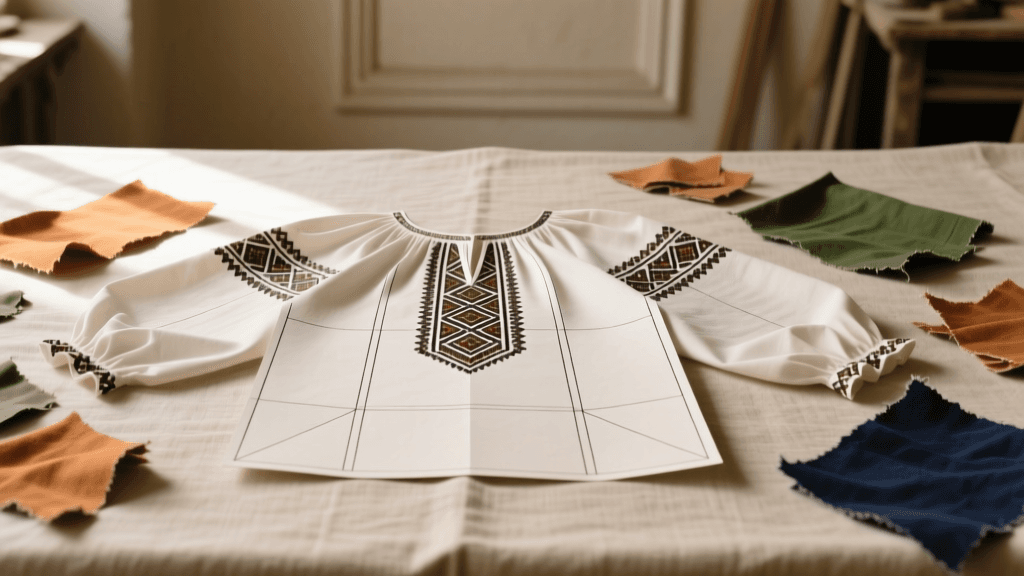
The traditional Romanian blouse, known as the Ie, is far more than a garment adorned with intricate embroidery; it is a masterclass in geometric efficiency and zero-waste design. Long before the modern sustainability movement took root, Eastern European peasants utilized every single thread of their handwoven textiles. In 2026, as the global fashion industry grapples with massive textile waste, the historical construction techniques of the Ie offer a brilliant blueprint for sustainable sewing. Recognized for its profound cultural significance, the traditional blouse with shoulder embroidery (altiță) was inscribed on the UNESCO Intangible Cultural Heritage list, cementing its status as a global treasure. Today, we explore how to draft and construct this iconic garment using authentic rectangular patterning methods adapted for the modern maker.
The Geometry of the Ie: Understanding Rectangular Construction
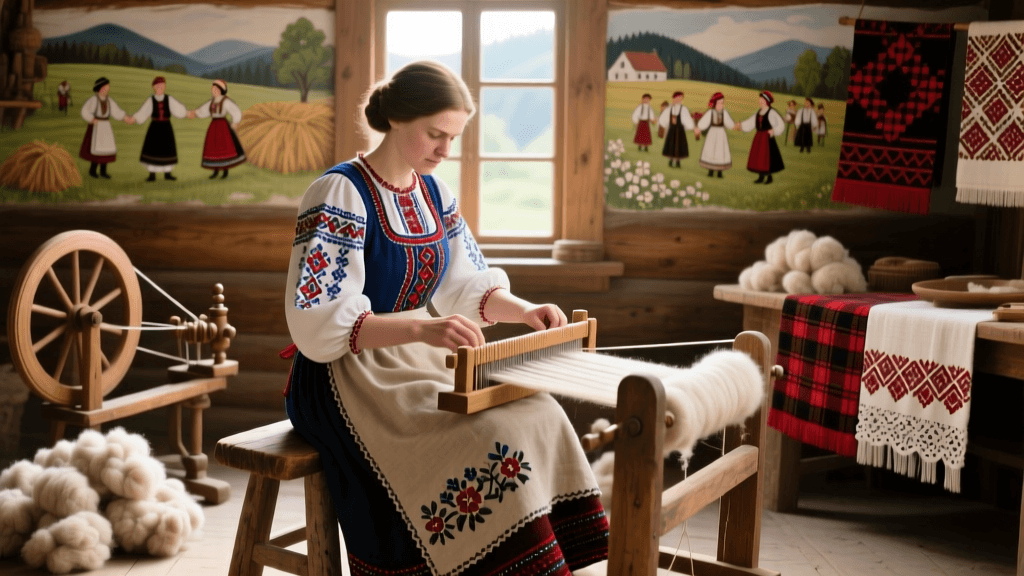
Unlike contemporary Western pattern drafting, which relies heavily on curved armholes, shaped side seams, and dart manipulation, the Ie is constructed entirely from straight lines. The pattern consists exclusively of rectangles and squares. This approach was born out of absolute necessity: traditional homespun fabric was woven on narrow looms, typically yielding cloth only 40 to 50 centimeters (16 to 20 inches) wide. Cutting curves would result in unusable scraps, a luxury that rural communities could not afford.
By utilizing the full width of the fabric and joining panels with decorative seams, the garment achieves volume, drape, and mobility without wasting a single millimeter of cloth. According to recent analyses by the Ellen MacArthur Foundation, adopting historical zero-waste cutting techniques can reduce fabric waste at the design stage by up to 15%, a crucial metric for 2026 eco-conscious ateliers and home sewists alike.
2026 Materials and Sustainable Fabric Sourcing
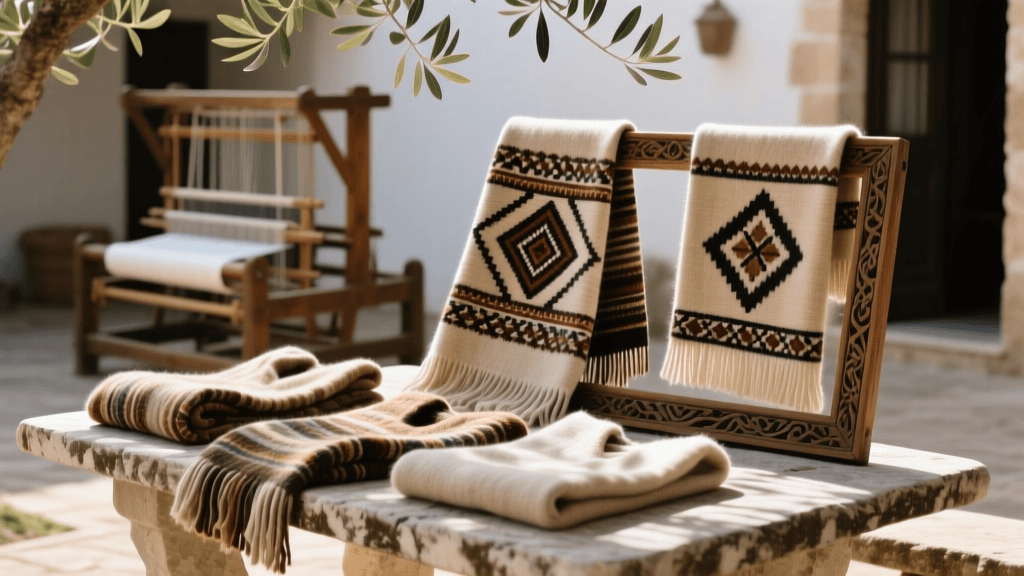
To authentically recreate the Ie while adhering to 2026 sustainability standards, fabric selection is paramount. Traditional materials included hemp, linen, and later, cotton. Today, we recommend sourcing GOTS-certified organic linen or deadstock cotton voile. These fabrics provide the necessary crispness for gathers while remaining breathable and environmentally responsible.
Fabric Width and Yardage Calculation Table
Because modern fabrics are woven much wider than historical homespun, we must adapt our yardage calculations. Below is a comparison table for drafting a standard women's Ie (Size M/L equivalent) based on fabric width.
| Fabric Type | Width | Required Yardage | Layout Strategy |
|---|---|---|---|
| Authentic Homespun (Replica) | 45 cm (18 in) | 4.5 meters | Cut strictly along the warp, one panel per width. |
| Modern Organic Linen | 140 cm (55 in) | 2.2 meters | Nest rectangles side-by-side; use scraps for gussets. |
| Deadstock Cotton Voile | 115 cm (45 in) | 2.8 meters | Stack panels; utilize selvedge edges for seam finishes. |
Step-by-Step Pattern Drafting and Cutting Guide
Step 1: The Body Panels (Față and Spate)
The front (față) and back (spate) of the Ie are identical rectangles. For a modern 2026 adaptation that hits at the hip, cut two rectangles measuring 50 cm in width and 70 cm in length. If you are using traditional 45 cm wide fabric, the width is simply the full loom width, selvedge to selvedge. The length is determined by your desired hemline plus a 5 cm hem allowance.
Step 2: The Sleeves and the Altâniță
The sleeves are also simple rectangles. Cut two pieces measuring 45 cm wide by 60 cm long. However, the defining feature of the Romanian Ie is the altâniță—the heavily embroidered rectangular band that sits horizontally across the top of the shoulder. In authentic construction, the altâniță acts as the structural bridge between the sleeve and the body. Cut the altâniță as a rectangle 15 cm wide and 45 cm long. It is sewn to the top edge of the sleeve rectangle before the sleeve is attached to the body.
Step 3: The Gusset (Pavă)
The secret to the mobility of a zero-waste, straight-cut garment is the underarm gusset, known in Romanian as the pavă. Without curved armholes, a gusset is required to allow the wearer to raise their arms without lifting the entire hemline of the blouse. Cut two squares measuring 15 cm by 15 cm. These will be inserted at the intersection of the side seam and the underarm seam, distributing tension and providing ergonomic ease.
Step 4: The Neckline and Cuffs
The neckline of the Ie is not cut into a curve. Instead, a simple slit or a rectangular opening is left at the top center of the front panel, and the entire neck edge is gathered into a narrow drawstring casing, known as the ciupag. For the cuffs (puișor), cut two narrow rectangles, approximately 5 cm wide and 25 cm long, to bind the gathered ends of the sleeves.
Seam Finishes and Assembly Techniques
The assembly of the Ie relies heavily on decorative joining techniques. Because the panels are sewn selvedge-to-selvedge (or finished edges), the seams themselves become an integral part of the garment's ornamentation.
The Cheiță (Decorative Seam)
Historically, the seams connecting the body panels and the sleeves were joined using a technique called cheiță (meaning little key). This involves leaving a small gap between the two fabric edges and bridging them with intricate hand-stitched lace, crocheted inserts, or openwork hemstitching. For a 2026 modern adaptation using a sewing machine, you can replicate this look by using a decorative fagoting stitch or an heirloom openwork foot, joining the panels with a contrast linen thread.
Gathering and Smocking
The volume of the Ie is controlled entirely by gathering. The top edges of the front, back, and sleeves are gathered into the neck casing. The bottom edges of the sleeves are densely gathered into the cuffs. To achieve the authentic, crisp pleating seen in museum archives, use a heavy-duty waxed thread for your gathering stitches, pulling them tight and securing them with a whipstitch before attaching the casing.
Essential Tools for the Modern Zero-Waste Maker
Constructing an Ie requires a specific set of tools to handle the dense gathers and delicate seam finishes. In 2026, modern sewing studios have access to advanced tools that make these historical techniques more accessible and precise.
- Heavy-Duty Waxed Gathering Thread: Essential for creating the tight, permanent gathers at the neckline and cuffs without snapping. Modern synthetic-blend waxed threads offer superior tensile strength compared to historical beeswax-coated cotton.
- Heirloom Fagoting Foot: A specialized presser foot available for most 2026 computerized sewing machines, allowing you to mimic the traditional cheiță openwork seams with precision and consistent tension.
- Rotary Cutter and Quilting Rulers: Because the pattern relies entirely on straight lines and perfect right angles, a 45mm rotary cutter and a heavy acrylic grid ruler ensure your rectangles are mathematically flawless, preventing twisting in the final garment.
- Wooden Clapper and Steam Iron: Linen and hemp require aggressive pressing to fold the seam allowances flat before the decorative joining stitches are applied. A wooden clapper traps the steam, forcing the fibers into a crisp, permanent crease.
Modern Adaptations for 2026 Wardrobes
While the traditional Ie is a long, tunic-like garment meant to be tucked into a heavy wool skirt or apron (fotă), modern makers often adapt the proportions for contemporary wear. In 2026, a popular variation is the cropped Ie, where the body panels are shortened to 45 cm, allowing the blouse to sit naturally at the waistline of high-rise trousers or modern linen skirts.
Furthermore, while traditional embroidery motifs (such as the solar cross, the tree of life, and geometric meanders) are deeply symbolic and regionally specific, modern sewists are increasingly utilizing tone-on-tone embroidery or minimalist geometric line-work to suit contemporary minimalist aesthetics. The underlying zero-waste rectangular pattern, however, remains entirely unchanged, proving that true functional design transcends temporary trends.
Conclusion
Drafting the Romanian Ie is a profound exercise in historical problem-solving. By embracing the constraints of the rectangle and the loom, we uncover a highly sustainable, zero-waste methodology that feels incredibly relevant in 2026. Whether you are hand-embroidering an altâniță with traditional silk threads or machine-sewing a minimalist linen version using deadstock fabric, the geometric brilliance of Eastern European folk dress offers endless inspiration for the conscious maker. Through these ancient techniques, we stitch together a more sustainable future for fashion.