Sardinian Orbace Wool Garments 2026: Top Heritage Brands
The Renaissance of Sardinian Folk Dress in 2026
As the global fashion industry pivots aggressively toward sustainability and slow fashion in 2026, regional European folk dress has experienced a massive resurgence. Nowhere is this more evident than in Italy, where the island of Sardinia is leading a textile renaissance. The traditional Sardinian costume, or costume sardo, is not merely a museum artifact; it is a living, breathing sartorial tradition. At the heart of this revival is Orbace, a coarse, highly durable, and naturally water-resistant sheep’s wool that has clothed Sardinian shepherds and villagers for centuries. Today, a new generation of heritage brands and artisan cooperatives is modernizing the production of Orbace while strictly adhering to ancestral weaving techniques, making these garments highly sought after by collectors and slow-fashion enthusiasts worldwide.
Understanding Orbace: The Backbone of Sardinian Textiles
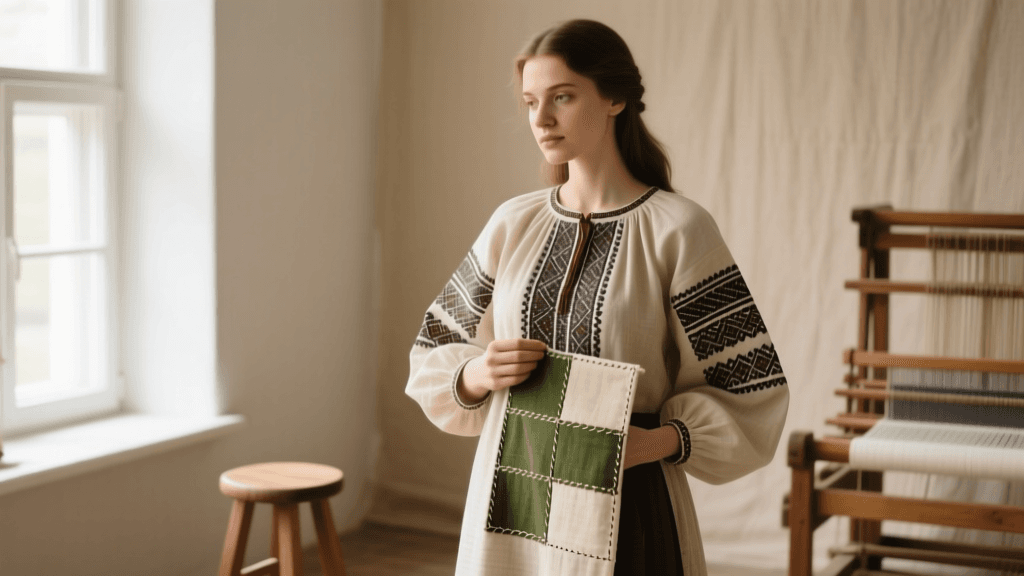
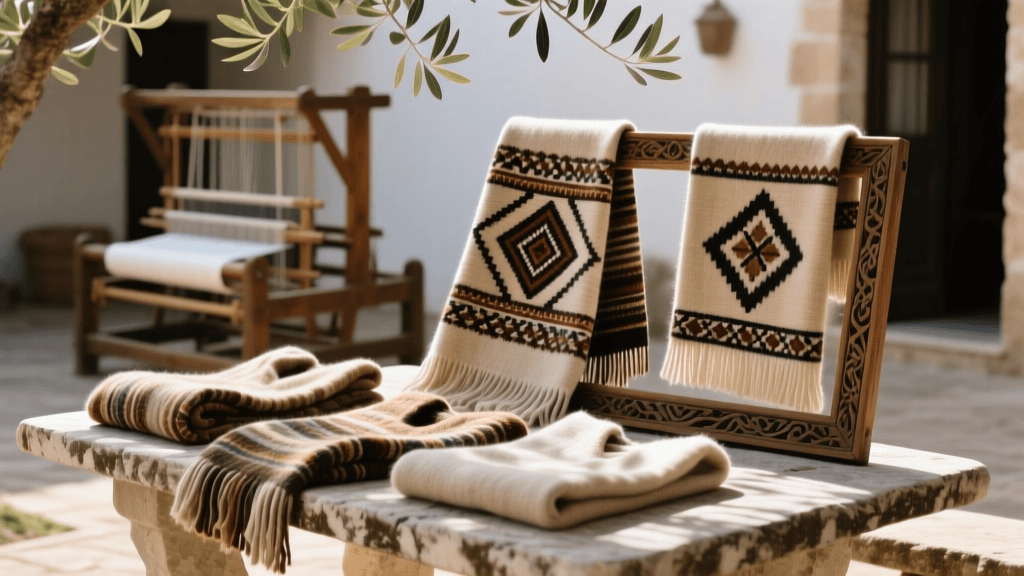
Orbace is a unique textile born from the harsh, windswept landscapes of the Sardinian interior. Historically woven from the wool of native Sarda sheep, the yarn is spun tightly and woven on traditional wooden floor looms. The defining characteristic of Orbace is its finishing process. After weaving, the cloth is taken to a gualchiera (a traditional water-powered fulling mill), where it is beaten in running water mixed with natural soaps. This process felts the wool slightly, shrinking it, thickening it, and giving it an almost impenetrable water-resistant quality.
In 2026, authentic hand-loomed Orbace is considered a luxury heritage textile. While industrial imitations exist, true heritage brands maintain the use of natural, undyed wools—ranging from deep charcoal and rich browns to creamy whites—or utilize ancestral botanical dyes. According to the cultural archives documented by Sardegna Cultura, the preservation of these natural dyeing and fulling techniques is critical to maintaining the structural integrity and historical accuracy of the costume sardo.
Top Heritage Artisans and Cooperatives in 2026
If you are looking to invest in authentic Sardinian folk garments this year, it is essential to purchase from recognized heritage cooperatives and master weavers. Here are the leading custodians of Sardinian textile traditions in 2026:
1. Cooperativa Tessitori di Samugheo
Located in the village of Samugheo, historically renowned as the textile capital of Sardinia, this cooperative is the gold standard for traditional weaving. While they are globally famous for their tappeti (rugs) featuring the distinctive a unu in dente (grain) pattern, their garment division produces exceptional Orbace wool vests and shawls. In 2026, they have introduced a traceability program, allowing buyers to scan a QR code on their garments to see the exact flock of Sarda sheep the wool was sourced from.
2. ISRE Collaborative Artisans (Nuoro)
The Istituto Superiore Regionale Etnografico (ISRE) in Nuoro is the premier authority on Sardinian ethnography. While ISRE is a research and museum institute, they actively sponsor and certify local artisan workshops in the Barbagia region. Purchasing an Orbace coletu (vest) or ragas (kilt) bearing the ISRE certification mark guarantees that the garment was constructed using historically accurate patterns and hand-finishing techniques approved by master ethnographers.
3. Atelier di Orgosolo
Orgosolo is famous not only for its vibrant murals but also for its intricate folk dress, which blends heavy wools with delicate silks. The local ateliers here specialize in the berritta (the traditional Sardinian woolen cap) and the finely pleated skirts of the region. Their 2026 collections have focused on reviving the use of saffron and madder root for dyeing the silk accents that contrast with the dark Orbace wool bases.
2026 Buyer’s Guide: Traditional Garments and Pricing
Investing in authentic Sardinian folk dress requires an understanding of the specific garments and their current market value. Due to the intensive labor required for hand-weaving and fulling, prices for genuine artisan pieces have risen in 2026, reflecting fair wages for master weavers. Below is a comprehensive breakdown of essential Sardinian garments and their current pricing.
| Garment Name | Region of Origin | Primary Material | 2026 Artisan Price Range (EUR) |
|---|---|---|---|
| Ragas (Kilt/Skirt) | Barbagia / Desulo | Heavy Orbace Wool | €450 - €750 |
| Coletu (Vest) | Central Sardinia | Orbace with Leather Trim | €300 - €550 |
| Berritta (Cap) | Island-wide | Fine Felted Wool | €80 - €150 |
| Pannu (Shawl) | Campidano / Cagliari | Wool / Silk Blend | €250 - €400 |
| Gambali (Gaiters) | Mountain Regions | Coarse Orbace / Leather | €180 - €280 |
Regional Variations: Desulo vs. Campidano
When shopping for Sardinian heritage garments, it is crucial to understand that the costume sardo is not a monolith. The island boasts over 400 distinct regional variations of traditional dress, heavily influenced by local microclimates and historical trade routes.
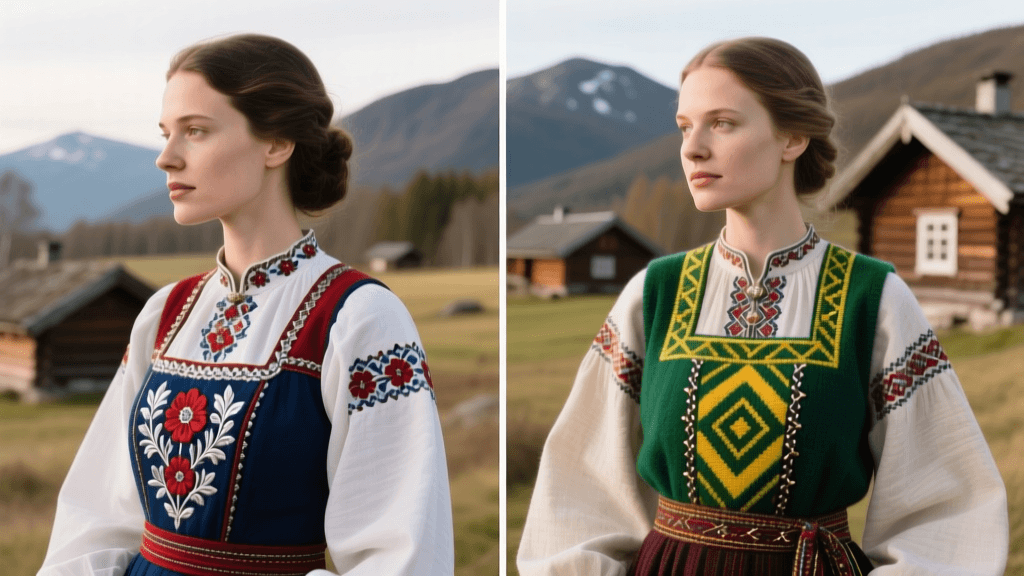
In the mountainous Barbagia region, particularly around Desulo, the garments are designed for harsh winters. The Orbace wool used here is incredibly thick, dyed in deep, somber tones using walnut husks and iron-rich mud. The women’s skirts are heavily pleated and feature striking red and blue woven borders, while the men’s ragas and coletu are robust and heavily felted for maximum weather protection.
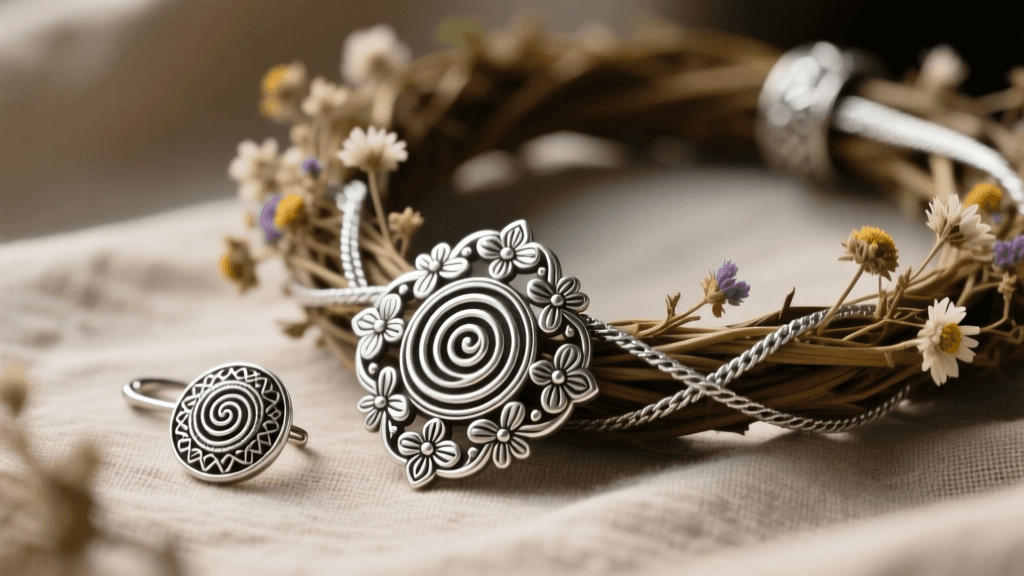
Conversely, in the southern plains of Campidano (near Cagliari and Quartu Sant'Elena), the traditional dress is lighter and more ornate. The heavy Orbace is often replaced or supplemented by lighter linens, cottons, and imported silks. The 2026 heritage collections from southern cooperatives focus heavily on the pannu (head shawl) and the intricate gold filigree jewelry that accompanies the lighter, brightly colored silk bodices, reflecting the region's historical wealth and Mediterranean trade connections.
Natural Dyes in 2026 Sardinian Weaving
A major trend among heritage brands in 2026 is the strict return to botanical dyes, moving away from the synthetic aniline dyes that became common in the mid-20th century. Master dyers are once again utilizing the island's rich flora:
- Rova (Madder Root): Used to produce the vibrant, rust-reds seen in the embroidery and borders of Desulo and Orgosolo garments.
- Cortiga de Nuche (Walnut Husks): Yields the deep, colorfast browns and blacks essential for men’s everyday work garments and vests.
- Zafferano (Saffron): Cultivated in the Medio Campidano province, it provides a brilliant, luminous yellow used for silk linings and festive headpieces.
- Su Erbu de sa Tintura (Weld/Reseda): A common weed that produces a bright, fast yellow-green, often used in combination with woad to achieve deep forest greens.
How to Verify Authentic Handwoven Orbace
With the rising popularity of European folk dress, the market has seen an influx of machine-woven imitations marketed as 'Sardinian style.' To ensure you are purchasing authentic heritage Orbace in 2026, look for these hallmarks:
- The Water Test: True, traditionally fulled Orbace is highly hydrophobic. If you sprinkle water on the surface, it should bead up and roll off rather than immediately soaking into the fibers.
- Weave Irregularity: Hand-loomed textiles will have microscopic variations in tension. Hold the fabric up to the light; you should see slight, natural inconsistencies in the warp and weft that machine looms cannot replicate.
- The Scent: Authentic, minimally processed Orbace retains a faint, earthy scent of lanolin and woodsmoke (from the traditional hearths near the looms). It should never smell of harsh chemical solvents.
- The Selvedge: Traditional wooden looms produce a distinct, tightly woven selvedge edge that is often left visible on the interior seams of a coletu as a mark of pride by the weaver.
Caring for Your Sardinian Heritage Wool
Proper maintenance is essential to preserve these garments for future generations. In 2026, heritage conservationists strongly advise against dry cleaning Orbace, as the harsh perchloroethylene solvents strip the wool of its natural lanolin, destroying its water-resistant properties and leaving the fibers brittle.
Instead, spot clean stains using cold water and a pH-neutral, lanolin-rich wool wash. For deep cleaning, submerge the garment in a lukewarm bath with a specialized wool detergent, gently pressing the water through the fabric without agitating or wringing, which can cause severe felting and distortion. Always dry the garment flat, away from direct sunlight or artificial heat sources. To store your ragas or coletu, wrap them in unbleached cotton muslin with bundles of dried lavender and cedar blocks to naturally repel moths without the use of toxic chemical mothballs.
Conclusion
The survival of Sardinian folk dress in the modern era is a testament to the resilience of the island's artisan communities. By investing in authentic Orbace wool garments from certified heritage brands in 2026, you are not just acquiring a beautiful, functional piece of European textile history; you are actively funding the preservation of ancestral looms, natural dyeing practices, and the cultural identity of Sardinia. Whether you are adding a hand-felted berritta to your winter wardrobe or commissioning a bespoke coletu, these garments offer a profound, tangible connection to the ancient rhythms of Mediterranean life.