Sardinian Pibiones Weaving: Heritage Brands & Folk Dress in 2026
The Living Heritage of Sardinian Textiles
When discussing the zenith of European folk dress, few regions command the same reverence as the island of Sardinia. Sardinian traditional garments are not merely historical artifacts; they are vibrant, living expressions of regional identity, meticulously crafted using techniques passed down through generations. As of 2026, the global slow fashion movement has cast a renewed spotlight on these artisanal practices, particularly the renowned pibiones weaving technique. This distinctive textile tradition forms the backbone of Sardinian heritage brands, bridging the gap between ancient folk costumes and contemporary luxury craftsmanship.
The island's rugged isolation allowed its textile traditions to evolve independently, resulting in a sartorial lexicon that varies dramatically from village to village. Today, heritage brands and artisan cooperatives are working tirelessly to preserve these methods, ensuring that the intricate weaves and natural dyes of Sardinian folk dress survive in the modern era. According to the Museo del Tessuto, Italy's premier textile museum, the preservation of regional weaving techniques like the Sardinian raised-grain weave is critical to maintaining the diverse tapestry of European material culture.
Understanding Pibiones: The 'Grain' Weave Technique
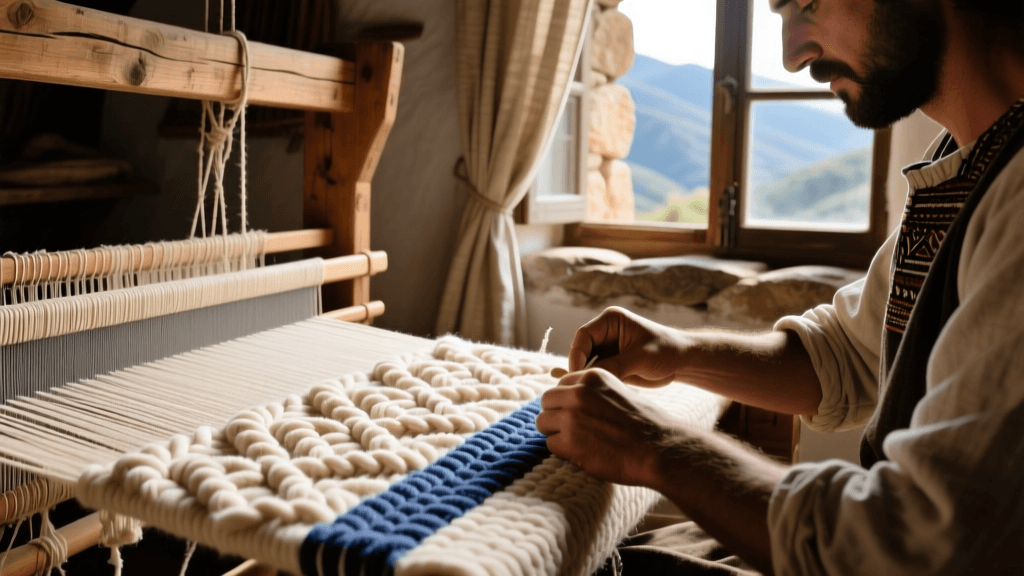
The term pibiones translates to 'grains' or 'berries' in the Sardinian dialect, a fitting name for the tactile, raised bumps that characterize this unique weave. Unlike standard flatweave textiles, pibiones requires a complex manipulation of the loom. The weaver uses a supplementary weft thread that is wrapped around a smooth rod—traditionally made of wood or bone—placed across the warp. When the rod is removed, the thread forms a raised, three-dimensional 'grain' on the surface of the fabric.
This technique is incredibly labor-intensive. A master weaver in 2026 might spend up to eight hours at a traditional wooden treadle loom to produce just a few centimeters of high-density pibiones fabric. The resulting textile is thick, durable, and features a striking geometric relief. Historically, these raised patterns were believed to offer symbolic protection, with motifs ranging from the sa prumessa (the promise) to stylized flora and fauna native to the Mediterranean maquis shrubland.
The Role of Pibiones in Traditional Sardinian Dress
The traditional Sardinian dress, or abito tradizionale, is a masterclass in layered textile artistry. While the island boasts over 400 distinct variations of folk dress, pibiones weaving is most prominently featured in the women's ceremonial and festive garments, particularly in the central regions of Barbagia and Sarcidano.
- The Muccadore (Headscarf): The most iconic application of pibiones is the muccadore or fazzoletto, a heavily decorated headscarf. In towns like Samugheo, these scarves are woven with raw silk, cotton, and metallic threads, featuring dense pibiones patterns that catch the light during traditional dances.
- The Palandra (Skirt): The pleated skirts of Sardinian folk dress often utilize heavier woolen pibiones weaves for the lower borders, adding weight, structure, and a striking visual contrast to the dark, locally dyed orbace wool of the main skirt body.
- The Cambusciu (Bodice): While often made of velvet or brocade, the structural linings and supporting panels of the traditional bodice frequently incorporate sturdy pibiones linen or cotton to provide rigidity and shape to the garment.
Regional Variations: Samugheo and Isili
To truly understand Sardinian weaving in 2026, one must look to the epicenters of the craft: the villages of Samugheo and Isili. Samugheo is globally recognized for its vibrant, polychrome pibiones shawls and rugs. The weavers here have mastered the integration of lamé (metallic thread) into the raised grains, creating textiles that shimmer brilliantly under the Mediterranean sun. Isili, conversely, is famous for its copper-threaded weaves and darker, more subdued geometric palettes, reflecting the historical influence of the island's mining communities.
Heritage brands operating in these regions today do not merely replicate the past; they adapt it. By collaborating with contemporary Italian fashion houses, these village cooperatives are introducing pibiones accents into modern outerwear, handbags, and bespoke home textiles, ensuring the economic viability of the loom operators.
2026 Heritage Brands and the Artisan Market
The landscape of Italian heritage fashion in 2026 is defined by a demand for verifiable authenticity and sustainable production. Organizations like the Fondazione Arte della Seta Lisio have long championed the survival of traditional Italian looms, and their influence has helped elevate Sardinian weaving cooperatives into the luxury spotlight. Today, purchasing a genuine pibiones garment means investing in a piece of documented cultural heritage.
Modern heritage brands in Sardinia are utilizing blockchain-backed digital passports for their high-end textile pieces. This 2026 industry standard allows buyers to trace the exact origin of the wool, the natural dyes used, and the name of the master weaver who spent weeks at the loom. This transparency has driven up the value of authentic pieces, creating a thriving micro-economy that supports young artisans choosing to remain in rural Sardinia rather than migrating to industrial fashion hubs.
Sourcing Authentic Sardinian Textiles: 2026 Buyer's Guide
For collectors, folk dress enthusiasts, and interior designers, sourcing authentic Sardinian textiles requires a discerning eye. The market is saturated with machine-made imitations imported from overseas. To ensure authenticity, buyers in 2026 should look for the official regional artisan certification marks, which guarantee that the piece was woven by hand on the island using traditional methods.
Below is a comparative guide to help you navigate the 2026 market for Sardinian pibiones garments and textiles:
| Garment / Textile Type | Era / Origin | Material Composition | 2026 Estimated Price (EUR) | Primary Use Case |
|---|---|---|---|---|
| Antique Muccadore (Scarf) | Pre-1950 (Vintage) | Hand-spun wool, raw silk, tarnished metallic thread | €800 - €2,500+ | Archival collection, museum display |
| Heritage Brand Shawl | 2026 Artisan Cooperative | Organic Sardinian sheep wool, natural madder dye, copper thread | €350 - €650 | Luxury winter accessory, folk festival wear |
| Contemporary Pibiones Runner | 2026 Heritage Home Brand | Heavyweight unbleached cotton, raised grain linen | €180 - €300 | Interior design, table styling |
| Mass-Market 'Sardinian' Scarf | Modern Industrial | Synthetic blend, machine-embossed 'grain' effect | €25 - €60 | Souvenir, casual wear (Not authentic) |
Natural Dyes and Sustainable Practices
A defining characteristic of genuine Sardinian folk dress is its color palette, historically derived from the island's flora. In 2026, the most prestigious heritage brands have returned entirely to natural dyeing processes, abandoning synthetic aniline dimes that dominated the late 20th century. Sa rubia (madder root) is used to achieve deep, enduring reds, while walnut husks provide rich, chocolate browns. The elusive and highly prized saffron yellow, extracted from the stigmas of the crocus flower, is reserved for the most expensive ceremonial headscarves.
This return to botanical dyes aligns perfectly with the 2026 luxury consumer's demand for eco-conscious production. The dyeing process is seasonal and heavily dependent on local harvests, meaning that heritage brands produce in limited, numbered batches. No two scarves are exactly alike, as the mineral content of the local water and the specific harvest time of the roots introduce subtle, beautiful variations in the final hue.
Garment Care for Handwoven Wool and Orbace
Investing in a heritage Sardinian garment requires a commitment to proper preservation. The traditional coarse wool of the island, known as orbace, and the delicate raised grains of pibiones require specific care protocols to maintain their structural integrity and vibrant colors.
- Cleaning: Never machine wash or aggressively hand-wash pibiones textiles. The friction will destroy the raised 'grains' and cause the natural dyes to bleed. In 2026, specialized eco-friendly dry cleaning using liquid silicone is the recommended method for deep cleaning vintage or heavily soiled pieces.
- Storage: Store woolen folk skirts and shawls in breathable cotton garment bags. Avoid plastic, which traps moisture and encourages mold. Always include blocks of untreated cedar wood to naturally repel moths, a historic enemy of Sardinian wool.
- Display: If framing a pibiones headscarf for display, ensure the glass is UV-filtered. Natural botanical dyes, particularly the vibrant madder reds and saffron yellows, are highly susceptible to fading under direct sunlight.
Preserving the Thread of History
The survival of Sardinian pibiones weaving and the broader tradition of Italian regional folk dress is a testament to the resilience of the island's artisans. As we navigate the fashion landscape of 2026, the contrast between hyper-fast, disposable clothing and the deliberate, rhythmic clatter of the Sardinian treadle loom has never been more stark. By supporting heritage brands, documenting the techniques, and wearing these garments with an understanding of their profound cultural weight, we ensure that the 'grains' of Sardinia's textile history continue to be woven into the fabric of the future. For further reading on the global push to safeguard these vital human traditions, the UNESCO Intangible Cultural Heritage archives provide extensive documentation on the importance of preserving traditional craftsmanship worldwide.